
The Privacy Revolution: Why Instant Hedging is the Ultimate Garden Upgrade
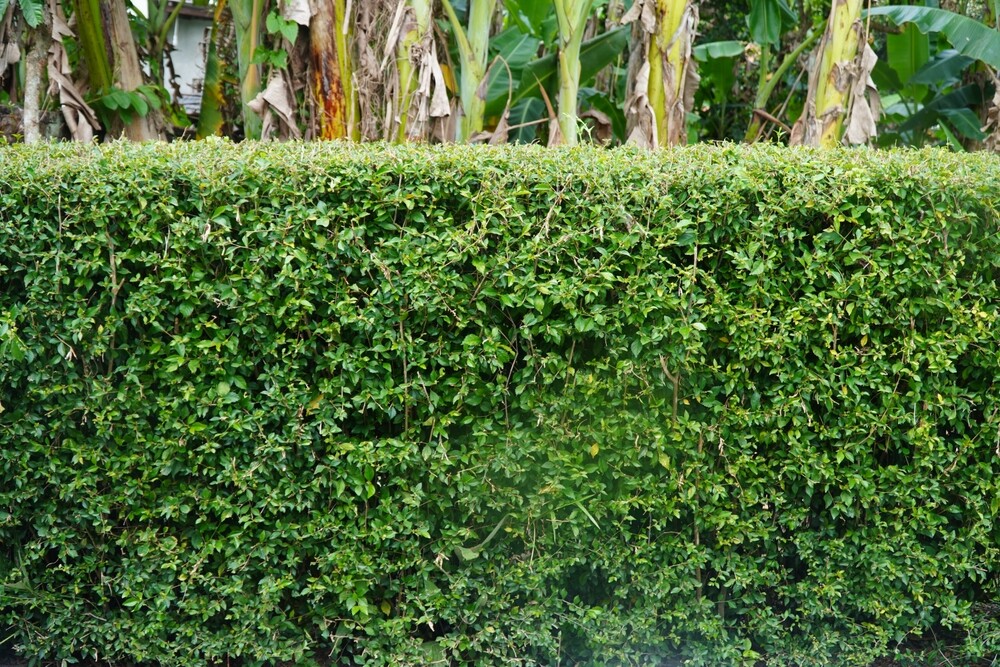
In the modern British garden, privacy has become the most sought-after luxury. As housing developments become denser and our outdoor spaces more overlooked, the desire for a secluded sanctuary has never been higher. While many homeowners instinctively reach for a fence panel, the “Green Wall” revolution is taking over. A living hedge offers more than just a boundary; it provides a sound barrier, a windbreak, and a thriving ecosystem for local wildlife. At World of Hedges, we believe the right hedge doesn’t just mark a line—it transforms a property’s entire aesthetic. The Pitfalls of Fencing vs. The Beauty of Hedging Fencing is often seen as the “quick fix,” but it comes with a shelf life. Timber rots, panels catch the wind during winter storms, and the look is often harsh and industrial. In contrast, a well-chosen hedge is a permanent, evolving investment. It softens the landscape, absorbs urban noise through its dense foliage, and actually increases in value as it matures. Furthermore, unlike a 6ft fence which can often feel “boxy,” a hedge draws the eye upward and blends the garden into the natural environment. Top Picks for Year-Round Privacy When choosing a hedge for privacy, “Evergreen” is the keyword. You want a species that retains its leaves through the darkest months of the year. Cherry Laurel (Prunus laurocerasus): The king of privacy. Its large, glossy green leaves create a dense, light-reflecting wall that grows rapidly, making it ideal for those who want results fast. Portuguese Laurel (Prunus lusitanica): For a more sophisticated, “neat” look, Portuguese Laurel offers darker green leaves and striking red stems. It is slightly slower growing than its “Cherry” cousin but is incredibly hardy and easy to prune into a formal shape. Photinia ‘Red Robin’: If you want a splash of color, Photinia provides brilliant red new growth in the spring, turning to a deep green. It’s perfect for adding interest while maintaining a solid screen. The “Instant” Advantage Many people are put off hedging because they believe they have to wait five years for it to grow. This is where Instant Hedging comes in. By purchasing mature, pre-formed hedging units or root-balled specimens, you can achieve a 6ft+ screen on the very day of planting. There is no “waiting game”—you simply move from an overlooked garden to a private oasis in a single afternoon. Choosing Your Style Whether you are looking for a formal, tightly clipped box hedge or a tall, imposing screen to block out a neighbor’s window, the species you choose should reflect your home’s architecture. Modern builds often suit the clean lines of Western Red Cedar (Thuja), while traditional cottages look stunning framed by the classic English Yew (Taxus baccata). By investing in quality hedging, you aren’t just planting a boundary; you are planting the future character of your home.
The Ultimate Guide to Planting Your New Hedge
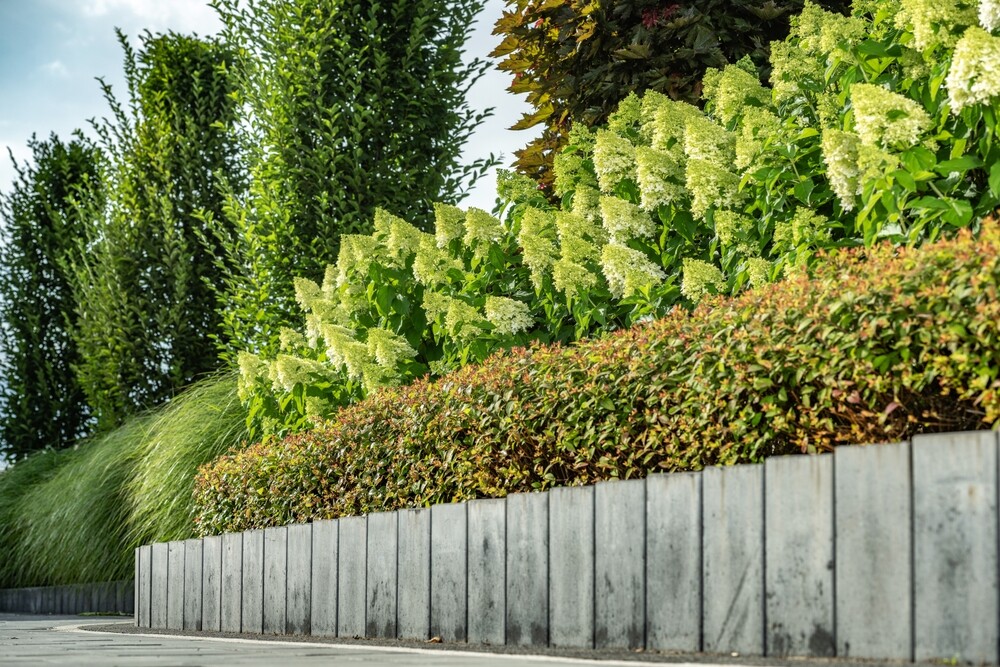
Success with a new hedge starts before the first plant goes in the ground. Whether you are using bare-root whips (best planted between November and March) or container-grown plants (which can be planted year-round), the preparation is identical. Step-by-Step Success Clear the Area: Ensure the planting strip is completely free of weeds and grass, as these will compete with your new hedge for water and nutrients. Soil Enrichment: Dig a trench at least 30cm wide and 25cm deep. Mix in well-rotted compost or manure to give the roots a nutrient-rich start. The “Double Row” Secret: For a truly dense hedge, plant in a “double staggered row” with roughly 5–7 plants per metre. Watering is Critical: A new hedge needs at least 5–10 litres of water per metre, twice a week, for the first two years—especially during dry spells. The “Rootgrow” Advantage We always recommend treating roots with a mycorrhizal fungi product like Rootgrow. This creates a secondary root system that helps the plant absorb water and nutrients much faster, leading to a more resilient hedge.
Low-Maintenance Hedges for the Busy Gardener
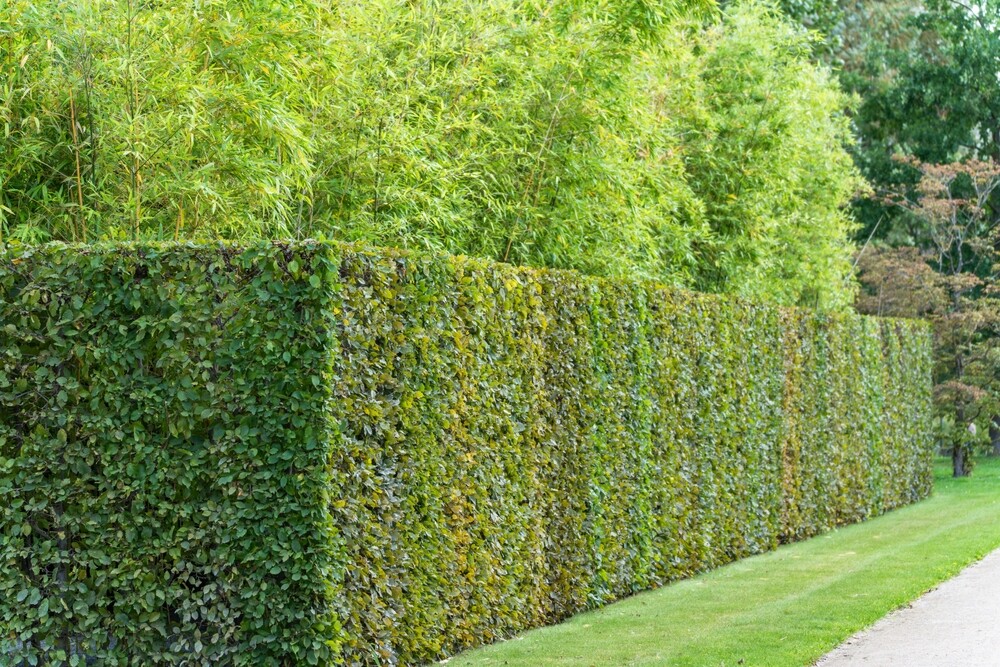
We understand that not everyone has the time for monthly pruning. If you want the beauty of a hedge without the “homework,” selecting a slow-growing or naturally compact species is key. Best “Easy-Care” Species English Yew (Taxus baccata): Despite its reputation, Yew is an incredibly tough, slow-growing plant that usually only requires one trim per year. It is rarely troubled by pests and creates a sophisticated, dark green backdrop. Portuguese Laurel (Prunus lusitanica): Slower-growing than its “Cherry” cousin, this variety features elegant red stems and smaller leaves. It’s a fantastic choice for those who want a formal look with minimal effort. Box Alternative (Euonymus japonicus ‘Green Spire’): With the rise of box blight, ‘Green Spire’ has become a favourite for low borders. It maintains a neat, upright shape with very little intervention.
The Loss of Hedgerows in the UK Since World War II

Hedgerows are an iconic feature of the British countryside, weaving through fields and pastures, offering shelter, and defining landscapes. These living borders are not only picturesque but also crucial for biodiversity, soil preservation, and combating climate change. However, since World War II, the UK has experienced a significant loss of hedgerows, driven largely by agricultural intensification and urban development. This decline has had far-reaching consequences for the environment and wildlife. The Historical Role of Hedgerows Hedgerows have been part of the UK’s rural landscape for centuries, often marking boundaries between fields and estates. They are believed to have originated in the Bronze Age, with many more planted during the Enclosure Acts of the 18th and 19th centuries. These hedges provided not just boundaries but also habitats for wildlife, corridors for species migration, and protection for crops from wind and soil erosion. Before World War II, hedgerows were maintained by hand, reflecting the traditional agricultural practices of the time. However, the war and its aftermath brought significant changes to farming. Agricultural Intensification and Hedgerow Loss Following World War II, the UK faced the urgent need to increase food production. Policies were introduced to incentivise large-scale farming, which prioritised efficiency over traditional methods. Fields were merged to accommodate mechanised equipment, and hedgerows were removed to maximise arable land. The numbers are staggering: an estimated 121,000 kilometres of hedgerows were removed between 1946 and 1980. This trend was further exacerbated in the 1980s when government grants supported the removal of hedges to modernise farming practices. Many of these policies overlooked the critical ecological roles hedgerows played, focusing solely on agricultural productivity. Urbanisation and Infrastructure Development Alongside agricultural changes, the post-war boom in urbanisation and infrastructure development also contributed to the loss of hedgerows. As towns expanded and roads were built, many hedgerows were uprooted to make way for new construction. This trend continues today, with housing developments and transport projects often encroaching on rural landscapes. The Environmental Impact The loss of hedgerows has had profound consequences for the UK’s environment: Biodiversity Decline: Hedgerows are a haven for wildlife, supporting over 2,000 species of plants, birds, mammals, and insects. The removal of hedges has fragmented habitats, leaving species like hedgehogs and dormice vulnerable. Birds such as sparrows and linnets, which rely on hedgerows for nesting, have also declined. Soil Erosion and Degradation: Hedgerows act as natural windbreaks, preventing soil erosion. Without them, farmland is more exposed to weather, leading to nutrient loss and reduced fertility. Carbon Sequestration Loss: Hedgerows are effective carbon sinks, capturing CO2 and contributing to the fight against climate change. Their removal reduces this capacity. Efforts to Reverse the Decline In recent decades, the importance of hedgerows has been recognised, prompting efforts to reverse their decline. The 1997 Hedgerow Regulations made it illegal to remove hedges deemed historically or ecologically significant without permission. Government initiatives and conservation organisations are also working to replant and restore hedgerows, encouraging farmers to incorporate these features into their land management plans. Looking Ahead The loss of hedgerows since World War II serves as a reminder of the unintended consequences of modernisation. Restoring these vital ecosystems is essential, not just for wildlife, but for a sustainable future. By replanting and protecting hedgerows, the UK can strike a balance between agricultural productivity and ecological preservation, ensuring these iconic features remain a defining part of the landscape for generations to come.
Common Diseases That Affect Hedges in the UK

Hedges are a vital component of gardens and landscapes across the UK, serving as natural boundaries, windbreaks, and habitats for wildlife. However, like all plants, hedges can be affected by diseases that compromise their health, appearance, and function. Identifying and addressing these issues promptly is crucial to maintaining thriving hedges. In this blog, we’ll explore some of the most common hedge diseases in the UK, their symptoms, and how to manage them effectively. 1. Box Blight Hedges Affected: Box (Buxus spp.) Box blight is a fungal disease caused by Cylindrocladium buxicola. It has become a significant concern for gardeners in the UK, particularly in formal gardens where box hedges are popular. Symptoms: Black or brown leaf spots. Leaves turning yellow and falling off prematurely. Black streaks on stems. Defoliation leading to bare patches. Prevention and Management: Ensure good air circulation by thinning out dense growth. Avoid overhead watering to reduce moisture on leaves. Remove and destroy infected leaves and branches promptly. Use resistant varieties or consider alternative plants like Ilex crenata or Lonicera nitida. 2. Honey Fungus Hedges Affected: Various, including privet, yew, and beech. Honey fungus (Armillaria spp.) is a devastating fungal disease that affects the roots of woody plants, including hedges. Symptoms: Wilting and yellowing of leaves. Dieback of branches. A white, fan-like fungal growth under the bark at the base. Clusters of honey-coloured mushrooms near the base of the hedge in autumn. Prevention and Management: Remove infected plants and as much of the root system as possible. Improve soil drainage and avoid overwatering. Install a physical barrier to prevent the spread of fungal rhizomorphs. 3. Powdery Mildew Hedges Affected: Hawthorn, privet, and others. Powdery mildew is a common fungal disease that thrives in warm, humid conditions. Symptoms: White, powdery coating on leaves, stems, and buds. Leaves may curl, become distorted, and drop prematurely. Reduced vigour and poor growth. Prevention and Management: Prune hedges to improve air circulation. Water at the base rather than over the foliage. Apply fungicides designed for powdery mildew, particularly during early signs of infection. 4. Phytophthora Root Rot Hedges Affected: Yew, laurel, and others. Phytophthora is a waterborne pathogen that causes root rot, particularly in poorly drained soils. Symptoms: Wilting and yellowing of foliage. Stunted growth and dieback. Browning and decay of roots. Prevention and Management: Ensure proper drainage to prevent waterlogging. Avoid overwatering and improve soil conditions. Remove and destroy infected plants to prevent the spread of the disease. 5. Leaf Spot Diseases Hedges Affected: A wide variety, including privet and laurel. Leaf spot diseases are caused by various fungi or bacteria, leading to unsightly blemishes on hedge foliage. Symptoms: Circular or irregular spots on leaves, often brown or black. Premature leaf drop. In severe cases, defoliation. Prevention and Management: Remove and dispose of infected leaves. Prune affected areas to prevent the spread. Maintain proper watering and fertilisation to strengthen plant resistance. Preventing Hedge Diseases Preventative measures are the best way to protect your hedges from disease. Follow these tips: Choose disease-resistant varieties when planting. Maintain healthy soil with good drainage and balanced nutrients. Regularly prune to remove dead or infected branches and improve air circulation. Water wisely, avoiding excessive moisture on foliage. Inspect hedges frequently for early signs of disease. Conclusion Diseases can pose a significant threat to hedges, but with vigilance and proper care, most issues can be prevented or managed effectively. At the first sign of trouble, take prompt action to contain the disease and minimise its impact. By staying proactive, you can ensure your hedges remain healthy and vibrant, providing beauty and functionality to your outdoor spaces for years to come. If you need expert advice or professional help with hedge maintenance, contact your local gardening service for tailored solutions.
How to Care for Your Hedges in a Hot Summer

As summer temperatures rise, maintaining the health and appearance of your hedges can become a challenge. However, with the right techniques and a little extra attention, you can ensure your hedges thrive even in the hottest months. Here are some essential tips on how to care for your hedges during a hot summer. 1. Watering Wisely Water is crucial for hedges during hot weather. However, it’s not just about quantity but also timing and method. Water your hedges early in the morning or late in the evening to minimise evaporation. Aim to water the soil rather than the foliage, as wet leaves can encourage fungal diseases. Deep watering is more effective than frequent light watering, as it encourages the roots to grow deeper into the soil, making the plants more resilient to drought. 2. Mulching Mulching is a fantastic way to retain soil moisture and keep roots cool. Apply a layer of organic mulch, such as wood chips or compost, around the base of your hedges. This not only conserves moisture but also suppresses weeds and improves soil health as it decomposes. Ensure the mulch is spread evenly and avoid piling it against the stems of the plants, as this can lead to rot. 3. Pruning Practices Summer pruning is essential to maintain the shape and health of your hedges. However, during extreme heat, it’s important to be gentle. Avoid heavy pruning, as this can stress the plants. Instead, focus on light trimming to remove dead or damaged branches. This helps improve air circulation within the hedge, reducing the risk of pests and diseases. Always use sharp, clean tools to make precise cuts and minimise damage to the plants. 4. Feeding Your Hedges Hot weather can take a toll on the nutrient levels in the soil. Feeding your hedges with a balanced fertiliser can help them cope with the stress of summer heat. Opt for a slow-release fertiliser to provide a steady supply of nutrients over time. Be careful not to over-fertilise, as this can lead to excessive growth, which in turn requires more water and maintenance. 5. Providing Shade If possible, provide some temporary shade to your hedges during the hottest part of the day. This can be done using shade cloths or even strategically placing garden furniture or umbrellas. While this may not be feasible for larger hedges, it can be particularly beneficial for newly planted or more delicate species. 6. Inspect Regularly Regular inspections are vital during hot weather. Check your hedges for signs of stress, such as wilting, yellowing leaves, or dry, brittle branches. Early detection of problems allows for prompt action, whether it’s adjusting watering schedules, applying treatments for pests or diseases, or providing extra nutrients. 7. Soil Health Healthy soil is the foundation of a thriving hedge. During summer, soil can become compacted and lose its structure. Aerate the soil around your hedges to improve water infiltration and root growth. You can use a garden fork to gently loosen the soil without disturbing the roots. 8. Dealing with Pests and Diseases Hot, dry conditions can sometimes exacerbate pest and disease problems. Keep an eye out for common issues such as aphids, spider mites, and fungal diseases. Use organic pest control methods where possible, such as neem oil or insecticidal soaps, to minimise harm to beneficial insects and the environment. Conclusion Caring for your hedges in a hot summer requires a combination of attentive watering, mulching, careful pruning, and regular monitoring. By following these tips, you can help your hedges not only survive but thrive despite the challenging conditions. With a little extra effort, your garden can remain a lush, green haven throughout the summer months.
Embracing Renewal: Celebrating the First Day of Spring

As the winter frost melts away and the earth begins to stir from its slumber, we welcome the arrival of the much-anticipated first day of spring. This day marks the transition from the cold, barren landscapes of winter to the vibrant, blooming beauty of springtime. It’s a time of renewal, rebirth, and awakening, both in nature and within ourselves. The first day of spring, also known as the vernal equinox, holds a special significance across cultures and traditions. It symbolizes a time of balance, as day and night are of equal length, and it heralds the beginning of longer days and warmer temperatures. It’s a time when the world comes alive with the vibrant colors of budding flowers, the melodious songs of returning birds, and the sweet fragrance of blooming trees. For many, the first day of spring is a time of celebration and joy. It’s a day to shed the heavy layers of winter clothing and step outside to bask in the gentle warmth of the sun. It’s a day to feel the soft grass beneath our feet, to breathe in the fresh, crisp air, and to marvel at the beauty of nature’s awakening. One of the most iconic symbols of the first day of spring is the blooming of cherry blossoms. In many cultures, the blossoming cherry trees are seen as a symbol of new beginnings, hope, and the fleeting beauty of life. People from all over the world flock to witness the breathtaking spectacle of cherry blossoms in bloom, often participating in festivals and gatherings to celebrate the arrival of spring. But the first day of spring is not just about external beauty; it’s also about inner renewal and growth. Just as nature emerges from its winter slumber to embrace the warmth and light of spring, so too can we emerge from the darkness of the past to embrace the promise of the future. It’s a time to let go of the old and embrace the new, to release what no longer serves us and make space for growth and transformation. Springtime encourages us to reconnect with the world around us, to nurture our relationships, and to cultivate a sense of gratitude for the beauty and abundance that surrounds us. It’s a time to plant seeds—both literally and metaphorically—and to nurture them with care and intention, knowing that they will eventually blossom into something beautiful and bountiful. As we celebrate the first day of spring, let us embrace the spirit of renewal and transformation that it represents. Let us open our hearts to the beauty and wonder of the world around us, and let us step boldly into the promise of a new season filled with hope, joy, and endless possibilities. Happy spring!
How to use your hedges most effectively for wind protection

Hedges have been used as a natural windbreak for centuries, proving their worth over time. Whether protecting plants, property or people, hedges planted in specific areas significantly reduce the effects of strong winds. Moreover, these functional plantings enhance the aesthetic value of any property while providing a useful habitat for wildlife. To use hedges most effectively for wind protection, selecting the correct species according to climate and wind patterns is paramount. Hedges composed of multiple plant species or possessing a diverse range in leaf size and shape, have been proven to be more effective at slowing wind speeds than single-species hedges. When planting your hedge, be diligent in spacing them adequately to ensure proper growth and coverage. Hedges should be planted in rows with the appropriate distance from each other to optimise air flow and sun exposure. Prune and shape your hedge as needed to guarantee it continues to provide maximum wind protection. In addition to traditional hedge species like boxwood and privet, there is a multitude of other plant options for windbreaks including evergreen trees, shrubs, and even bamboo. With proper planning and maintenance, windbreak hedges can provide pragmatic and aesthetic advantages, significantly reducing the impact of strong winds across your property.
Benefits of Using Flowering Hedges in Landscape Design

Flowering hedges can be a beautiful addition to any landscape design. Not only do they provide privacy and security, but they also add color and fragrance to your outdoor space. There are many different types of flowering hedges to choose from, each with its own unique characteristics and benefits. One example of a flowering hedge is the rose bush. Roses are known for their stunning blooms and intoxicating scent. They come in a variety of colors, including red, pink, yellow, and white, allowing you to choose the perfect hue to complement your landscape. In addition to their beauty, rose bushes also attract pollinators like bees and butterflies, making them a great choice for eco-conscious gardeners. Another popular choice for a flowering hedge is the lilac bush. Lilacs are known for their clusters of fragrant flowers that bloom in the spring. They come in a range of colors, from pale lavender to deep purple, and their sweet scent can fill your entire yard. Lilac bushes are also relatively low-maintenance, making them a great option for those who want a beautiful hedge without a lot of upkeep. If you’re looking for a flowering hedge that will attract wildlife, consider planting a butterfly bush. As the name suggests, butterfly bushes are a magnet for butterflies and other pollinators. They produce long, cone-shaped clusters of flowers in a variety of colors, including purple, pink, and white. Not only will a butterfly bush add beauty to your landscape, but it will also help support local butterfly populations. For those who prefer a more formal look, a boxwood hedge may be the perfect choice. Boxwoods are evergreen shrubs that can be pruned into a variety of shapes, including hedges. While they don’t produce showy flowers, their dense foliage provides a lush, green backdrop for your garden. Boxwood hedges are often used to create formal garden spaces or to define borders within a larger landscape. If you’re looking for a flowering hedge that will provide year-round interest, consider planting a hydrangea bush. Hydrangeas are known for their large, showy blooms that come in a variety of colors, including blue, pink, and white. They also have attractive foliage that changes color in the fall, adding even more visual interest to your landscape. Hydrangeas are relatively easy to care for and can thrive in a variety of soil conditions. In conclusion, flowering hedges can be a beautiful and functional addition to any landscape design. Whether you’re looking for privacy, color, fragrance, or wildlife attraction, there is a flowering hedge that will meet your needs. From the stunning blooms of roses and lilacs to the attractively shaped foliage of boxwoods, there are endless options to choose from. Consider incorporating a flowering hedge into your landscape design to add beauty and interest to your outdoor space. Top 10 Flowering Hedges for a Colorful Garden Flowering hedges can add a burst of color and beauty to any garden. They not only provide privacy and define boundaries, but also attract pollinators and create a vibrant atmosphere. If you’re looking to add some color to your garden, here are the top 10 flowering hedges that are sure to make a statement. 1. Rose Hedge: Roses are classic and timeless, and a rose hedge can create a stunning display of color and fragrance. With a wide variety of colors and types to choose from, you can create a hedge that suits your personal style and preferences. 2. Lilac Hedge: Lilacs are known for their intoxicating scent and beautiful clusters of flowers. A lilac hedge can create a romantic and whimsical atmosphere in your garden, and the flowers can be cut and brought indoors to enjoy their fragrance. 3. Hydrangea Hedge: Hydrangeas are known for their large, showy blooms that come in a range of colors, from pink and blue to white and purple. A hydrangea hedge can add a touch of elegance and charm to your garden, and the flowers can be dried and used in floral arrangements. 4. Butterfly Bush Hedge: As the name suggests, butterfly bushes are a magnet for butterflies and other pollinators. With their long, cone-shaped clusters of flowers, a butterfly bush hedge can create a vibrant and lively garden that is sure to attract attention. 5. Forsythia Hedge: Forsythias are one of the first plants to bloom in the spring, with their bright yellow flowers signaling the arrival of warmer weather. A forsythia hedge can add a burst of color to your garden after a long, dreary winter. 6. Azalea Hedge: Azaleas are known for their stunning, trumpet-shaped flowers that come in a wide range of colors. A well-maintained azalea hedge can create a striking display of color and beauty, and the flowers can last for several weeks. 7. Weigela Hedge: Weigelas are versatile shrubs that produce clusters of tubular flowers in various shades of pink, red, and white. A weigela hedge can add a touch of elegance and sophistication to your garden, and the flowers are loved by hummingbirds. 8. Mock Orange Hedge: Mock oranges are known for their fragrant, white flowers that resemble those of orange trees. A mock orange hedge can create a beautiful and fragrant backdrop for your garden, and the flowers can be enjoyed both visually and aromatically. 9. Spirea Hedge: Spireas are low-maintenance shrubs that produce clusters of small, delicate flowers in shades of pink, white, and red. A spirea hedge can add a touch of charm and grace to your garden, and the flowers can attract butterflies and other pollinators. 10. Viburnum Hedge: Viburnums are versatile shrubs that produce clusters of flowers in various shapes and colors. From the fragrant, white flowers of the Korean spice viburnum to the pink, snowball-like blooms of the Japanese snowball viburnum, a viburnum hedge can create a stunning and diverse display of color in your garden. In conclusion, flowering hedges are a wonderful addition to any garden, providing both beauty and functionality. Whether you prefer the classic elegance of roses or the vibrant colors of hydrangeas,
Problem Weeds in UK Hedgerows
Hedgerows play a vital role in the UK’s ecosystem. They provide habitats for a range of wildlife, serve as windbreaks and shade in agricultural areas, and help reduce soil erosion. However, these important natural resources are under threat from invasive weeds. The UK is home to a variety of weed species that, if left unchecked, can reduce the ecological and economic value of hedgerows. In this blog post, we will discuss some of the most problematic weeds found in UK hedgerows, as well as the methods used to control them. Japanese Knotweed Japanese knotweed (Fallopia japonica) is a highly invasive weed that can grow to over 3 metres tall. It was first introduced to the UK in the 1800s as an ornamental plant, but soon escaped from gardens and began to spread rapidly. Japanese knotweed can take over large areas of hedgerow, and its hardy root system can damage infrastructure such as roads and buildings. Eradication of Japanese knotweed is difficult and requires professional treatment. Himalayan Balsam Himalayan balsam (Impatiens glandulifera) is another invasive weed found in UK hedgerows. It was first introduced in the UK in the mid-19th century as an ornamental plant but has since escaped and become widely established in hedgerows and along riverbanks. Himalayan balsam can grow very quickly, up to 2 metres in height, and its seeds are easily spread by wildlife and humans. Efforts to control Himalayan balsam often involve pulling up the plant by hand, as well as using herbicides. Giant Hogweed Giant hogweed (Heracleum mantegazzianum) is a dangerous weed found in hedgerows across the UK. It contains toxic sap that can cause severe burns and blisters, which can even lead to hospitalization. Giant hogweed can grow up to 5 metres tall and is often mistaken for cow parsley or hogweed, so caution must be exercised when identifying it. Eradication of giant hogweed usually involves professional treatment. Ragwort Common ragwort (Senecio jacobaea) is a native weed found in hedgerows in the UK. While it is a useful food source for some wildlife, it is also toxic to horses and livestock. Ingesting ragwort can cause liver damage or even death in animals. Ragwort is also a problem for farmers as it can grow quickly and take over fields. Control methods for ragwort often involve pulling up the plant by hand or using herbicides. Conclusion Invasive weeds are a serious problem for UK hedgerows. Not only do they reduce the ecological and economic value of these important natural resources, but they can also pose a danger to human and animal health. Methods for controlling these weeds include pulling up the plant by hand, using herbicides, and professional treatment. It’s essential to act quickly and efficiently to control weed populations, preventing further spread into surrounding areas and protecting the delicate ecosystem of UK hedgerows.