
The Privacy Revolution: Why Instant Hedging is the Ultimate Garden Upgrade
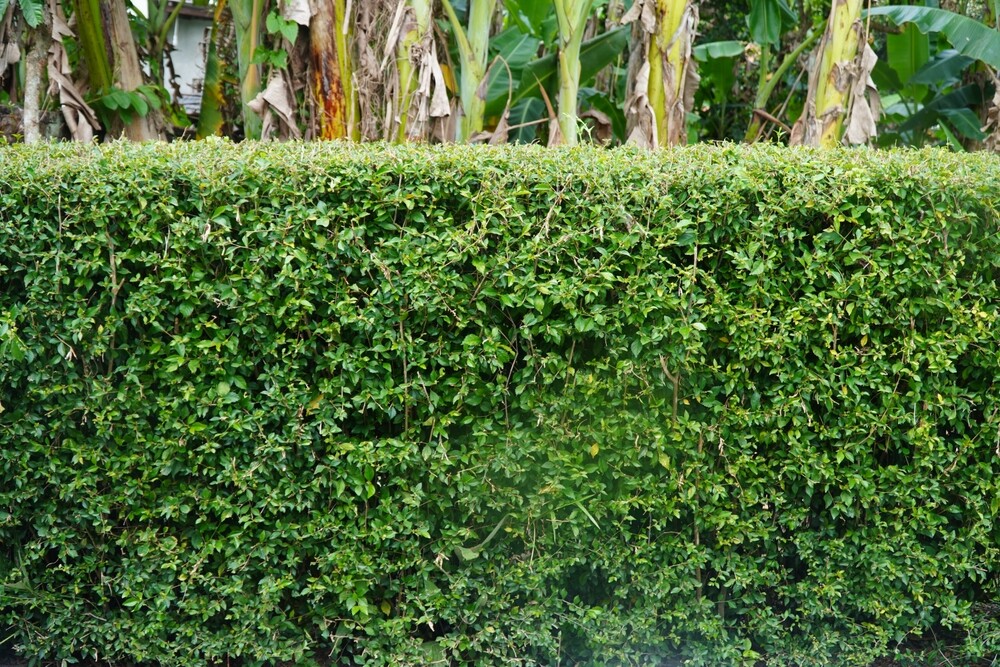
In the modern British garden, privacy has become the most sought-after luxury. As housing developments become denser and our outdoor spaces more overlooked, the desire for a secluded sanctuary has never been higher. While many homeowners instinctively reach for a fence panel, the “Green Wall” revolution is taking over. A living hedge offers more than just a boundary; it provides a sound barrier, a windbreak, and a thriving ecosystem for local wildlife. At World of Hedges, we believe the right hedge doesn’t just mark a line—it transforms a property’s entire aesthetic. The Pitfalls of Fencing vs. The Beauty of Hedging Fencing is often seen as the “quick fix,” but it comes with a shelf life. Timber rots, panels catch the wind during winter storms, and the look is often harsh and industrial. In contrast, a well-chosen hedge is a permanent, evolving investment. It softens the landscape, absorbs urban noise through its dense foliage, and actually increases in value as it matures. Furthermore, unlike a 6ft fence which can often feel “boxy,” a hedge draws the eye upward and blends the garden into the natural environment. Top Picks for Year-Round Privacy When choosing a hedge for privacy, “Evergreen” is the keyword. You want a species that retains its leaves through the darkest months of the year. Cherry Laurel (Prunus laurocerasus): The king of privacy. Its large, glossy green leaves create a dense, light-reflecting wall that grows rapidly, making it ideal for those who want results fast. Portuguese Laurel (Prunus lusitanica): For a more sophisticated, “neat” look, Portuguese Laurel offers darker green leaves and striking red stems. It is slightly slower growing than its “Cherry” cousin but is incredibly hardy and easy to prune into a formal shape. Photinia ‘Red Robin’: If you want a splash of color, Photinia provides brilliant red new growth in the spring, turning to a deep green. It’s perfect for adding interest while maintaining a solid screen. The “Instant” Advantage Many people are put off hedging because they believe they have to wait five years for it to grow. This is where Instant Hedging comes in. By purchasing mature, pre-formed hedging units or root-balled specimens, you can achieve a 6ft+ screen on the very day of planting. There is no “waiting game”—you simply move from an overlooked garden to a private oasis in a single afternoon. Choosing Your Style Whether you are looking for a formal, tightly clipped box hedge or a tall, imposing screen to block out a neighbor’s window, the species you choose should reflect your home’s architecture. Modern builds often suit the clean lines of Western Red Cedar (Thuja), while traditional cottages look stunning framed by the classic English Yew (Taxus baccata). By investing in quality hedging, you aren’t just planting a boundary; you are planting the future character of your home.
The First Year: A Masterclass in Hedge Establishment and Care
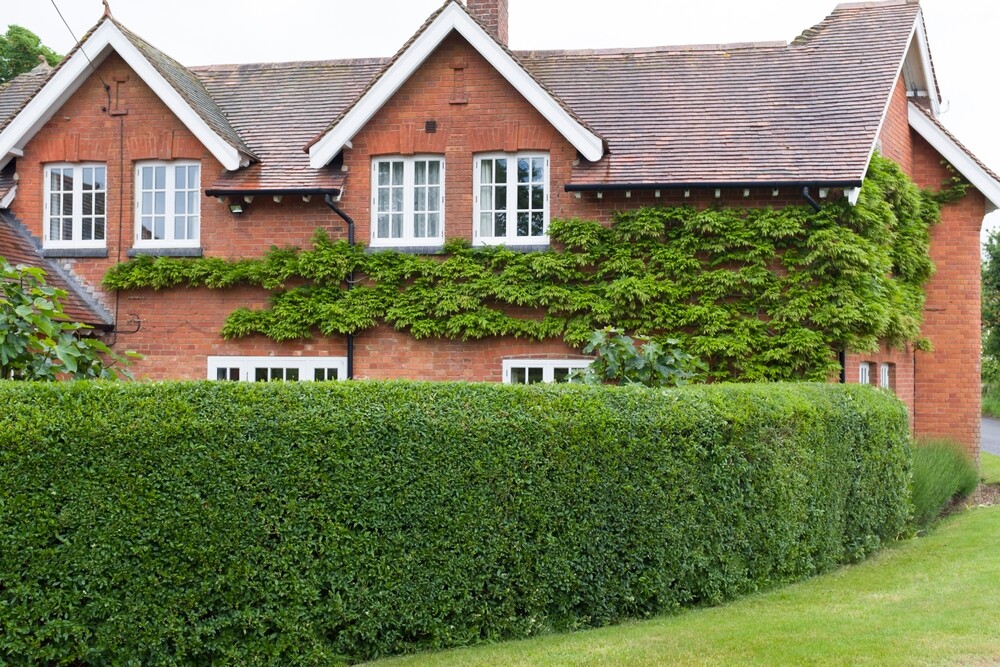
So, you’ve chosen your perfect specimens from World of Hedges and they are neatly in the ground. Now what? The first twelve months are the most “formative” in the life of a hedge. Think of your new hedge like a marathon runner—it needs the right fuel, hydration, and coaching to reach its full potential. While our hedges are delivered in peak health, the transition from our nursery to your garden soil is a significant change. Here is how to ensure your investment thrives. The Golden Rule: Hydration, Not Drowning Watering is the single most important factor in hedge survival, particularly for root-balled and container-grown plants. However, many homeowners make the mistake of “splash watering”—wetting the leaves and the top inch of soil. This encourages shallow root growth. Instead, you want to “soak” the base of the plants. During the first spring and summer, your hedge needs a deep soak 2–3 times a week (more in extreme heat). We highly recommend installing a leaky hose (soaker hose) along the base of the hedge. This allows water to drip slowly into the soil over several hours, reaching the deep roots where it is needed most. Mulching: The Secret Weapon One of the easiest ways to give your hedge a head start is by applying a thick layer of organic mulch—such as bark chippings or well-rotted compost—around the base. Mulch does three vital jobs: it suppresses weeds that would otherwise steal nutrients, it keeps the roots cool in the summer, and it locks in moisture. Ensure the mulch is a few inches deep but keep it slightly away from the actual stems of the plants to prevent rot. Feeding Your Hedge While the soil provides the basics, a “boost” can make a world of difference in that first year. A slow-release fertilizer applied in early spring gives the hedge the nitrogen it needs to produce that lush, green new growth. Avoid over-feeding in late autumn, as you don’t want the plant to produce soft, new shoots that will just be damaged by the first winter frosts. The First Trim: To Cut or Not to Cut? There is a common myth that you shouldn’t touch a new hedge for two years. In reality, light “formative pruning” is essential. For many species, especially privet and hawthorn, lightly trimming the side branches encourages the plant to “bush out” from the bottom. If you let a hedge grow straight up without any side-trimming, you often end up with a “leggy” plant that is thin at the bottom and thick at the top. By nipping the tips, you tell the plant to put its energy into creating a dense, impenetrable screen. Monitoring for Pests and Stress Keep an eye on the leaves. If they begin to turn yellow or droop, it’s usually a sign of “stress”—either too much water (waterlogged roots) or not enough. Catching these issues early is key. A healthy hedge is naturally resistant to most pests, but a stressed one is an easy target. By following these simple steps, you ensure that your World of Hedges boundary will grow into a thick, beautiful, and healthy feature that lasts for decades to come.
The Ultimate Guide to Planting Your New Hedge
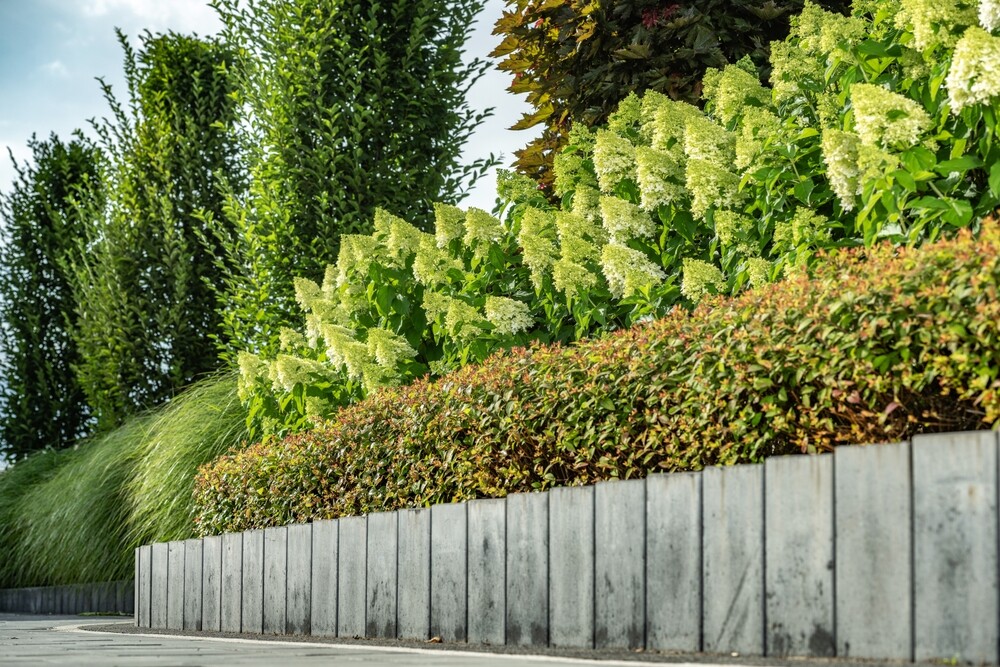
Success with a new hedge starts before the first plant goes in the ground. Whether you are using bare-root whips (best planted between November and March) or container-grown plants (which can be planted year-round), the preparation is identical. Step-by-Step Success Clear the Area: Ensure the planting strip is completely free of weeds and grass, as these will compete with your new hedge for water and nutrients. Soil Enrichment: Dig a trench at least 30cm wide and 25cm deep. Mix in well-rotted compost or manure to give the roots a nutrient-rich start. The “Double Row” Secret: For a truly dense hedge, plant in a “double staggered row” with roughly 5–7 plants per metre. Watering is Critical: A new hedge needs at least 5–10 litres of water per metre, twice a week, for the first two years—especially during dry spells. The “Rootgrow” Advantage We always recommend treating roots with a mycorrhizal fungi product like Rootgrow. This creates a secondary root system that helps the plant absorb water and nutrients much faster, leading to a more resilient hedge.
Low-Maintenance Hedges for the Busy Gardener
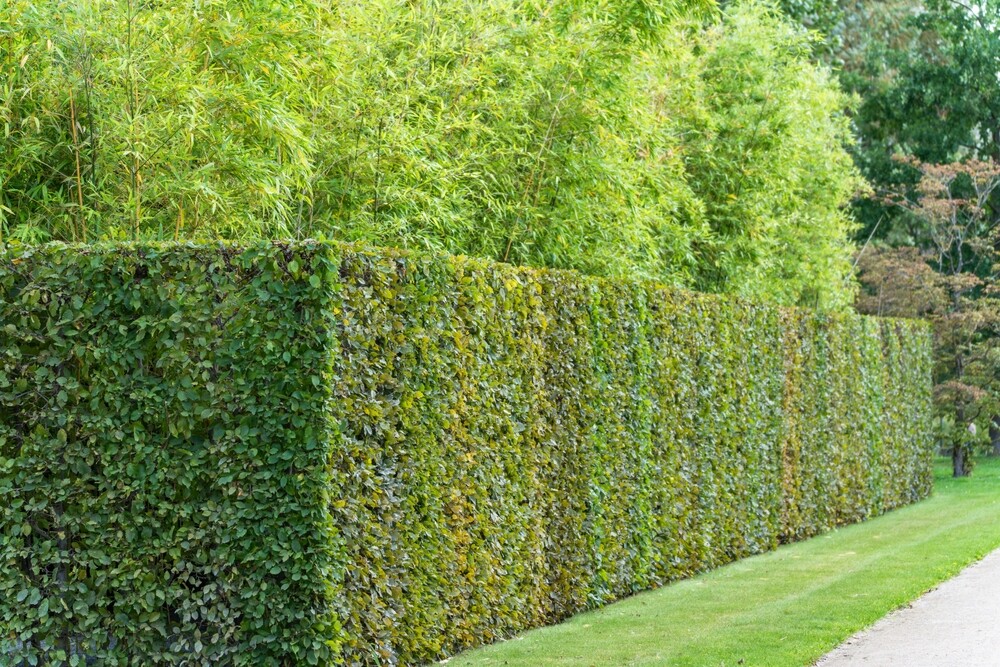
We understand that not everyone has the time for monthly pruning. If you want the beauty of a hedge without the “homework,” selecting a slow-growing or naturally compact species is key. Best “Easy-Care” Species English Yew (Taxus baccata): Despite its reputation, Yew is an incredibly tough, slow-growing plant that usually only requires one trim per year. It is rarely troubled by pests and creates a sophisticated, dark green backdrop. Portuguese Laurel (Prunus lusitanica): Slower-growing than its “Cherry” cousin, this variety features elegant red stems and smaller leaves. It’s a fantastic choice for those who want a formal look with minimal effort. Box Alternative (Euonymus japonicus ‘Green Spire’): With the rise of box blight, ‘Green Spire’ has become a favourite for low borders. It maintains a neat, upright shape with very little intervention.
Planting for Nature: The Benefits of a Mixed Native Hedge
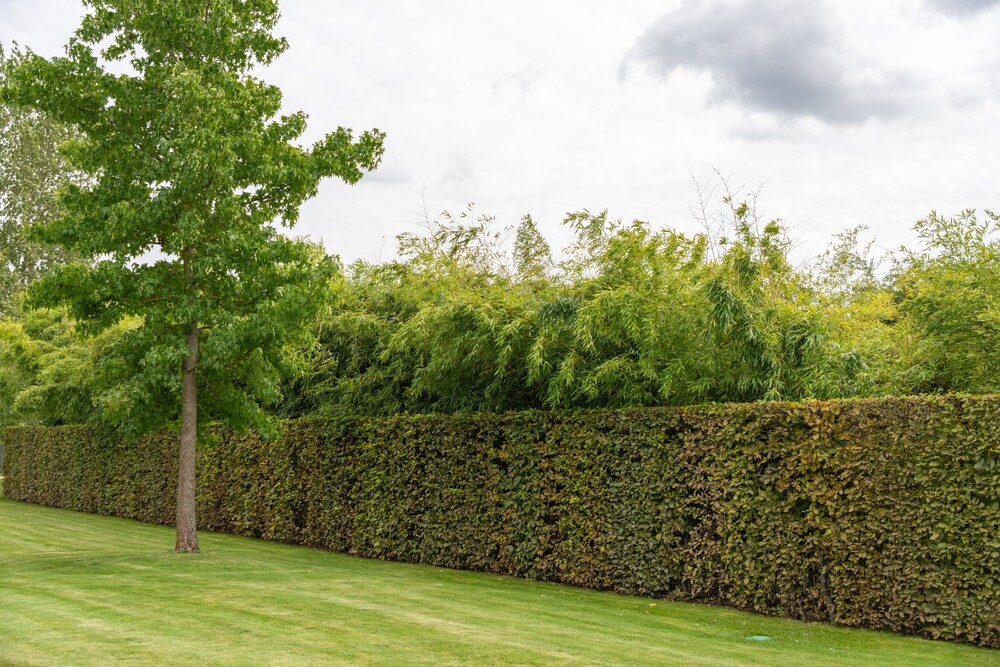
As we move through 2026, more UK gardeners are prioritising biodiversity. A mixed native hedge is essentially a “living larder” for British wildlife, providing food, shelter, and safe corridors for movement. Why Go Native? A typical native mix—often consisting of 50% Hawthorn supplemented with Blackthorn, Field Maple, and Hazel—mimics the ancient hedgerows of our countryside. Spring Blossom: Hawthorn and Blackthorn provide vital early nectar for bees and butterflies. Autumn Berries: In the leaner months, the “hips and haws” of a native hedge provide a much-needed food source for birds and small mammals like hedgehogs. A Changing Aesthetic Unlike formal evergreen hedges, a native hedge offers a changing palette through the seasons. You’ll enjoy vibrant spring greens, summer flowers, and deep autumnal oranges and reds. They are also exceptionally hardy, having evolved to thrive in the UK’s unpredictable weather and varied soil types.
Top 5 Fast-Growing Hedges for Instant Privacy
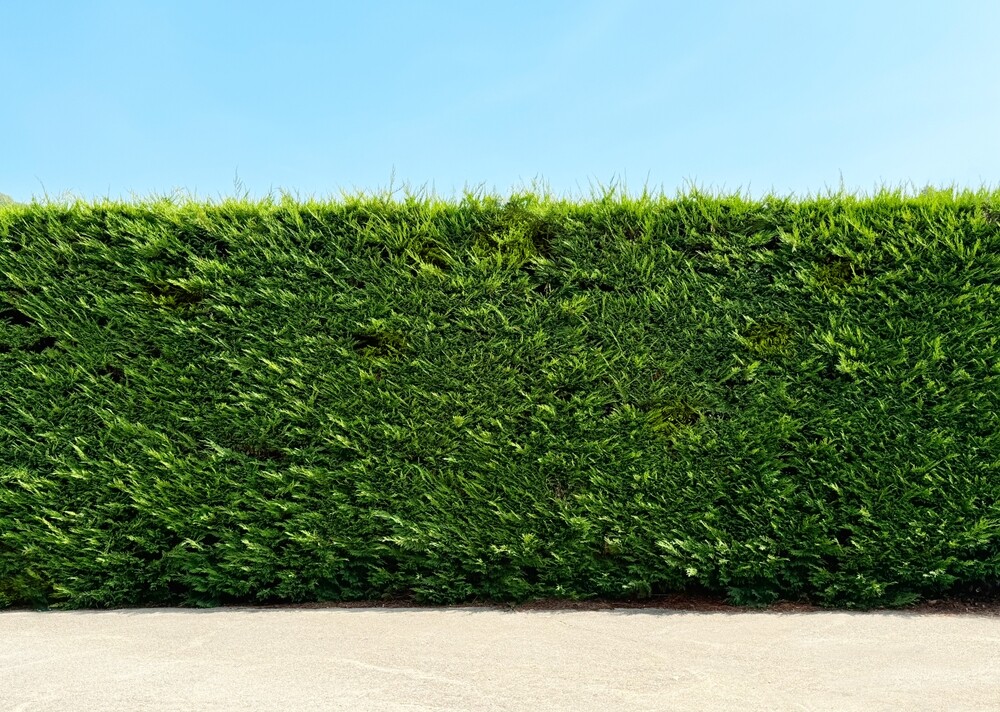
One of the most frequent requests we receive at World of Hedges is for a “green wall” that grows as quickly as possible. Whether you have new neighbours overlooking your garden or a busy road nearby, a fast-growing hedge is a superior, more attractive alternative to a wooden fence. The Speed Kings Leylandii (Cupressocyparis leylandii): The undisputed champion of speed, Leylandii can grow up to 90cm per year. It provides a dense, evergreen screen that is excellent for noise reduction and windbreaks. Cherry Laurel (Prunus laurocerasus): Known for its large, glossy green leaves, this hardy evergreen grows roughly 60cm annually. It is incredibly versatile, thriving in both full sun and deep shade. Privet (Ligustrum ovalifolium): A classic British staple that grows between 40–60cm per year. It is semi-evergreen, meaning it may lose some leaves in particularly harsh winters but remains dense enough for privacy year-round. Choosing the Right Fit While speed is important, consider the maintenance. Leylandii requires trimming at least once or twice a year to keep it from becoming unmanageable. If you prefer a “set and forget” approach, Cherry Laurel or a slower-growing Photinia ‘Red Robin’ might be better suited to your lifestyle.
Choosing & Caring for Hedges: A Green Guide from World of Hedges
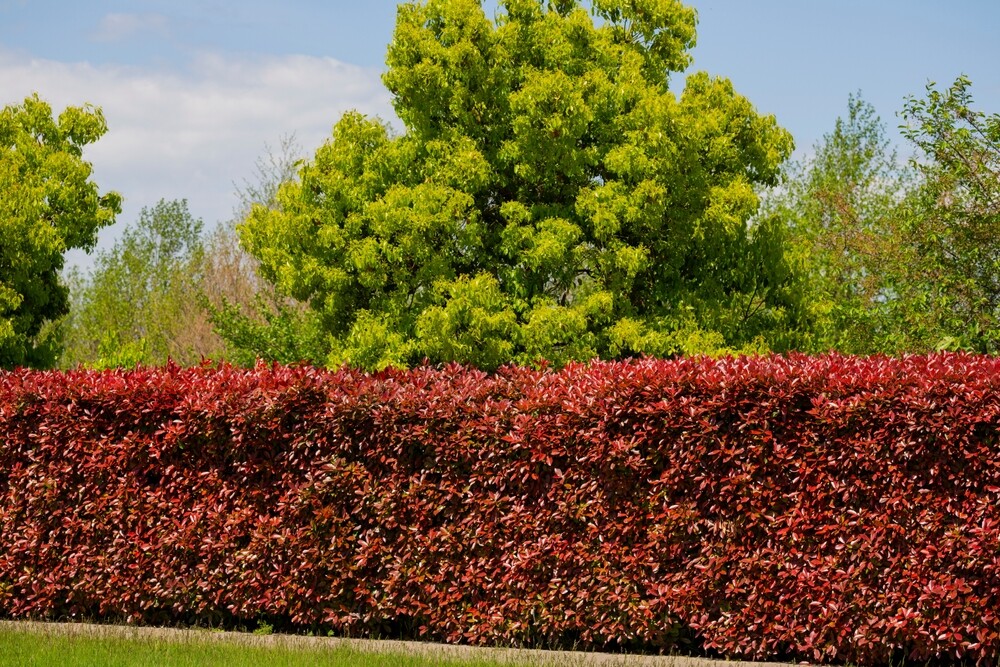
When it comes to defining your garden, creating privacy, or adding a touch of natural beauty to your property, nothing beats a properly chosen, well-tended hedge. At World of Hedges, we’ve spent over 40 years helping homeowners and businesses across Lancashire, Cumbria, Manchester, and beyond pick the right plants and keep them thriving. Here’s what you need to know to choose smartly and care confidently. 1. Picking the Right Hedge for Your Space & Purpose Not all hedges are the same — what works beautifully in one garden might struggle in another. Start by considering: Purpose: Is your hedge for privacy? Wind protection? Wildlife habitat? Or simply for decorative structure? Sun & Soil: Does your site get full sun, partial shade or be shaded most of the day? What is the soil like — well-draining, clay, sandy, or rich loam? Some hedges handle damp soil better than others. Evergreen vs Deciduous: If you want something green all year round, an evergreen hedge is best. But deciduous hedges can bring seasonal colour, blossom or fall interest. Growth Rate & Maintenance: Fast-growing hedges can establish quickly, but need more frequent trimming. Slower growers are lower maintenance but take more time to fill out. Here at World of Hedges, our nursery stocks a broad variety — hardy evergreens, native species, flowering hedges, and rarer specimens from around the world. We also provide guidance on what plant types suit each location and purpose. 2. Installation Tips for Strong, Healthy Growth A hedge is only as good as its roots — how you plant it will greatly affect its future health. Spacing: Don’t overcrowd. Correct spacing lets each plant access light, air and nutrients, helping avoid diseases. Soil Preparation: Digging in compost or well-rotted manure can help soil structure, especially in heavy clay or sandy patches. Watering: Newly planted hedges need consistent watering until they establish. Be sure the roots don’t dry out completely. Support & Mulch: Applying mulch around the base (but not touching the stems) helps retain moisture, suppress weeds, and regulate soil temperature. Stakes may be needed for tall or top-heavy plants. At our nursery in Garstang, we grow our hedges without insecticides and use nurturing techniques so they arrive healthy and strong. 3. Maintenance: Keeping Your Hedge Looking Its Best Once established, a hedge needs periodic care to look its best and serve its role effectively: Pruning: Trim regularly, shaping from the bottom up so the base stays dense. Remove dead, diseased or crossing branches to prevent issues. Feeding: A balanced fertiliser in spring helps promote lush growth. Avoid over-fertilisation which can weaken a plant’s structure. Water in Dry Spells: Especially in hot or dry months, even established hedges benefit from occasional deep watering. Pest & Disease Monitoring: Keep an eye out for signs of pest infestation or fungal disease. Early detection makes treatment far easier. 4. Environmental & Aesthetic Benefits Choosing the right hedge offers more than just privacy and boundaries. Well-chosen hedgerows enhance biodiversity — providing a habitat for birds, insects and small mammals. They help with soil stabilization, reduce noise and wind, and improve air quality. And aesthetically, they frame your garden, add shape, colour and even seasonal interest, especially when you select varieties that flower or change colour. 5. Why Choose World of Hedges? What sets us apart: Over 40 years’ experience supplying both domestic and commercial customers. A wide variety of hedges & shrubs from around the world, and a knowledgeable team who’ll guide you from choosing the right hedge to planting & beyond. Free quotes, tailored planting schemes, and a nursery with plants cultivated with care. If you’re considering a hedge for your garden or commercial border, why not drop by at the nursery in Garstang or call us? We’d be delighted to help you pick something perfect — a hedge that reflects your style, suits your lifestyle, and grows beautifully over time.
The Loss of Hedgerows in the UK Since World War II

Hedgerows are an iconic feature of the British countryside, weaving through fields and pastures, offering shelter, and defining landscapes. These living borders are not only picturesque but also crucial for biodiversity, soil preservation, and combating climate change. However, since World War II, the UK has experienced a significant loss of hedgerows, driven largely by agricultural intensification and urban development. This decline has had far-reaching consequences for the environment and wildlife. The Historical Role of Hedgerows Hedgerows have been part of the UK’s rural landscape for centuries, often marking boundaries between fields and estates. They are believed to have originated in the Bronze Age, with many more planted during the Enclosure Acts of the 18th and 19th centuries. These hedges provided not just boundaries but also habitats for wildlife, corridors for species migration, and protection for crops from wind and soil erosion. Before World War II, hedgerows were maintained by hand, reflecting the traditional agricultural practices of the time. However, the war and its aftermath brought significant changes to farming. Agricultural Intensification and Hedgerow Loss Following World War II, the UK faced the urgent need to increase food production. Policies were introduced to incentivise large-scale farming, which prioritised efficiency over traditional methods. Fields were merged to accommodate mechanised equipment, and hedgerows were removed to maximise arable land. The numbers are staggering: an estimated 121,000 kilometres of hedgerows were removed between 1946 and 1980. This trend was further exacerbated in the 1980s when government grants supported the removal of hedges to modernise farming practices. Many of these policies overlooked the critical ecological roles hedgerows played, focusing solely on agricultural productivity. Urbanisation and Infrastructure Development Alongside agricultural changes, the post-war boom in urbanisation and infrastructure development also contributed to the loss of hedgerows. As towns expanded and roads were built, many hedgerows were uprooted to make way for new construction. This trend continues today, with housing developments and transport projects often encroaching on rural landscapes. The Environmental Impact The loss of hedgerows has had profound consequences for the UK’s environment: Biodiversity Decline: Hedgerows are a haven for wildlife, supporting over 2,000 species of plants, birds, mammals, and insects. The removal of hedges has fragmented habitats, leaving species like hedgehogs and dormice vulnerable. Birds such as sparrows and linnets, which rely on hedgerows for nesting, have also declined. Soil Erosion and Degradation: Hedgerows act as natural windbreaks, preventing soil erosion. Without them, farmland is more exposed to weather, leading to nutrient loss and reduced fertility. Carbon Sequestration Loss: Hedgerows are effective carbon sinks, capturing CO2 and contributing to the fight against climate change. Their removal reduces this capacity. Efforts to Reverse the Decline In recent decades, the importance of hedgerows has been recognised, prompting efforts to reverse their decline. The 1997 Hedgerow Regulations made it illegal to remove hedges deemed historically or ecologically significant without permission. Government initiatives and conservation organisations are also working to replant and restore hedgerows, encouraging farmers to incorporate these features into their land management plans. Looking Ahead The loss of hedgerows since World War II serves as a reminder of the unintended consequences of modernisation. Restoring these vital ecosystems is essential, not just for wildlife, but for a sustainable future. By replanting and protecting hedgerows, the UK can strike a balance between agricultural productivity and ecological preservation, ensuring these iconic features remain a defining part of the landscape for generations to come.
Common Diseases That Affect Hedges in the UK

Hedges are a vital component of gardens and landscapes across the UK, serving as natural boundaries, windbreaks, and habitats for wildlife. However, like all plants, hedges can be affected by diseases that compromise their health, appearance, and function. Identifying and addressing these issues promptly is crucial to maintaining thriving hedges. In this blog, we’ll explore some of the most common hedge diseases in the UK, their symptoms, and how to manage them effectively. 1. Box Blight Hedges Affected: Box (Buxus spp.) Box blight is a fungal disease caused by Cylindrocladium buxicola. It has become a significant concern for gardeners in the UK, particularly in formal gardens where box hedges are popular. Symptoms: Black or brown leaf spots. Leaves turning yellow and falling off prematurely. Black streaks on stems. Defoliation leading to bare patches. Prevention and Management: Ensure good air circulation by thinning out dense growth. Avoid overhead watering to reduce moisture on leaves. Remove and destroy infected leaves and branches promptly. Use resistant varieties or consider alternative plants like Ilex crenata or Lonicera nitida. 2. Honey Fungus Hedges Affected: Various, including privet, yew, and beech. Honey fungus (Armillaria spp.) is a devastating fungal disease that affects the roots of woody plants, including hedges. Symptoms: Wilting and yellowing of leaves. Dieback of branches. A white, fan-like fungal growth under the bark at the base. Clusters of honey-coloured mushrooms near the base of the hedge in autumn. Prevention and Management: Remove infected plants and as much of the root system as possible. Improve soil drainage and avoid overwatering. Install a physical barrier to prevent the spread of fungal rhizomorphs. 3. Powdery Mildew Hedges Affected: Hawthorn, privet, and others. Powdery mildew is a common fungal disease that thrives in warm, humid conditions. Symptoms: White, powdery coating on leaves, stems, and buds. Leaves may curl, become distorted, and drop prematurely. Reduced vigour and poor growth. Prevention and Management: Prune hedges to improve air circulation. Water at the base rather than over the foliage. Apply fungicides designed for powdery mildew, particularly during early signs of infection. 4. Phytophthora Root Rot Hedges Affected: Yew, laurel, and others. Phytophthora is a waterborne pathogen that causes root rot, particularly in poorly drained soils. Symptoms: Wilting and yellowing of foliage. Stunted growth and dieback. Browning and decay of roots. Prevention and Management: Ensure proper drainage to prevent waterlogging. Avoid overwatering and improve soil conditions. Remove and destroy infected plants to prevent the spread of the disease. 5. Leaf Spot Diseases Hedges Affected: A wide variety, including privet and laurel. Leaf spot diseases are caused by various fungi or bacteria, leading to unsightly blemishes on hedge foliage. Symptoms: Circular or irregular spots on leaves, often brown or black. Premature leaf drop. In severe cases, defoliation. Prevention and Management: Remove and dispose of infected leaves. Prune affected areas to prevent the spread. Maintain proper watering and fertilisation to strengthen plant resistance. Preventing Hedge Diseases Preventative measures are the best way to protect your hedges from disease. Follow these tips: Choose disease-resistant varieties when planting. Maintain healthy soil with good drainage and balanced nutrients. Regularly prune to remove dead or infected branches and improve air circulation. Water wisely, avoiding excessive moisture on foliage. Inspect hedges frequently for early signs of disease. Conclusion Diseases can pose a significant threat to hedges, but with vigilance and proper care, most issues can be prevented or managed effectively. At the first sign of trouble, take prompt action to contain the disease and minimise its impact. By staying proactive, you can ensure your hedges remain healthy and vibrant, providing beauty and functionality to your outdoor spaces for years to come. If you need expert advice or professional help with hedge maintenance, contact your local gardening service for tailored solutions.
Understanding Pests That Affect Hedges in the UK

Hedges are a vital part of many UK gardens, offering privacy, shelter, and a natural aesthetic. However, like any plant, hedges are susceptible to a range of pests that can damage their appearance and health. Understanding these pests and how to manage them is essential for maintaining healthy, thriving hedges. Below, we explore some of the most common pests affecting hedges in the UK and provide tips on how to control them. 1. Box Tree Caterpillar (Cydalima perspectalis) One of the most notorious pests in recent years is the box tree caterpillar. This invasive species, originally from East Asia, has become a significant problem for UK gardeners, particularly those with box hedges (Buxus spp.). The caterpillars feed voraciously on the leaves, stripping hedges bare and leaving behind webbing and frass (caterpillar droppings). The damage can be severe, leading to defoliation and, in some cases, the death of the plant if left untreated. Control Measures: Regular inspection of box hedges, particularly in spring and summer, can help detect infestations early. Manual removal of caterpillars and their webs can reduce damage. Biological controls, such as Bacillus thuringiensis (a bacterial insecticide), can be effective. Insecticide treatments may be necessary for severe infestations. 2. Aphids Aphids are small, sap-sucking insects that can be found on a variety of plants, including hedges. These pests can cause significant damage by weakening the plant, leading to distorted growth and yellowing leaves. Aphids also excrete honeydew, which can encourage the growth of sooty mould, further impacting the health and appearance of hedges. Control Measures: Encourage natural predators, such as ladybirds and lacewings, which feed on aphids. Regular pruning can help remove infested areas and improve air circulation. Insecticidal soaps or neem oil can be used to control aphid populations. For large infestations, chemical insecticides may be required, but they should be used sparingly to avoid harming beneficial insects. 3. Vine Weevils Vine weevils are notorious for their ability to cause extensive damage to a wide range of plants, including hedges. The adult weevils eat the leaves, creating characteristic notches, while the larvae feed on the roots, leading to wilting and eventual plant death. Control Measures: Regular inspection of plants, particularly in spring and autumn when vine weevils are most active. Biological control with nematodes can be effective against vine weevil larvae. Adult weevils can be trapped using sticky traps or by manually removing them at night when they are active. Insecticides may be necessary for severe infestations, especially if the hedge shows signs of root damage. 4. Spider Mites Spider mites are tiny pests that thrive in hot, dry conditions. They feed on the underside of leaves, causing them to become speckled, yellow, and eventually drop off. Spider mites can be particularly problematic during warm, dry summers. Control Measures: Increase humidity around the plants by regularly misting the hedges or using a fine spray of water. Introduce natural predators, such as predatory mites, to control spider mite populations. Horticultural oils or soaps can be used to suffocate spider mites. Insecticides are available but should be used as a last resort due to their impact on beneficial insects. 5. Scale Insects Scale insects are sap-sucking pests that attach themselves to the stems and leaves of hedges. They excrete honeydew, which can lead to sooty mould, and weaken the plant, causing stunted growth and leaf drop. Control Measures: Prune infested branches to reduce the population. Use horticultural oils to smother scale insects. Encourage natural predators like parasitic wasps and ladybirds. Systemic insecticides may be necessary for severe infestations, but care should be taken to minimize environmental impact. Conclusion Maintaining healthy hedges in the UK requires vigilance and timely intervention to manage pest problems. Regular monitoring, combined with appropriate control measures, can prevent these pests from causing significant damage, ensuring your hedges remain a beautiful and functional part of your garden. Whether you’re dealing with caterpillars, aphids, or vine weevils, understanding the nature of these pests and how to control them is key to preserving the health and vitality of your hedges.