
The First Year: A Masterclass in Hedge Establishment and Care
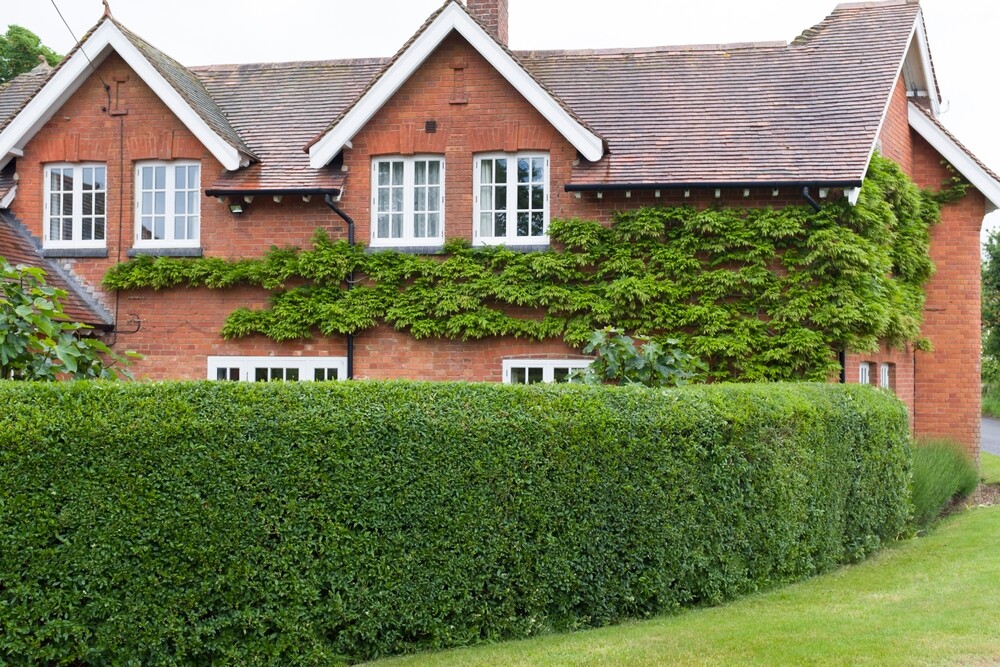
So, you’ve chosen your perfect specimens from World of Hedges and they are neatly in the ground. Now what? The first twelve months are the most “formative” in the life of a hedge. Think of your new hedge like a marathon runner—it needs the right fuel, hydration, and coaching to reach its full potential. While our hedges are delivered in peak health, the transition from our nursery to your garden soil is a significant change. Here is how to ensure your investment thrives. The Golden Rule: Hydration, Not Drowning Watering is the single most important factor in hedge survival, particularly for root-balled and container-grown plants. However, many homeowners make the mistake of “splash watering”—wetting the leaves and the top inch of soil. This encourages shallow root growth. Instead, you want to “soak” the base of the plants. During the first spring and summer, your hedge needs a deep soak 2–3 times a week (more in extreme heat). We highly recommend installing a leaky hose (soaker hose) along the base of the hedge. This allows water to drip slowly into the soil over several hours, reaching the deep roots where it is needed most. Mulching: The Secret Weapon One of the easiest ways to give your hedge a head start is by applying a thick layer of organic mulch—such as bark chippings or well-rotted compost—around the base. Mulch does three vital jobs: it suppresses weeds that would otherwise steal nutrients, it keeps the roots cool in the summer, and it locks in moisture. Ensure the mulch is a few inches deep but keep it slightly away from the actual stems of the plants to prevent rot. Feeding Your Hedge While the soil provides the basics, a “boost” can make a world of difference in that first year. A slow-release fertilizer applied in early spring gives the hedge the nitrogen it needs to produce that lush, green new growth. Avoid over-feeding in late autumn, as you don’t want the plant to produce soft, new shoots that will just be damaged by the first winter frosts. The First Trim: To Cut or Not to Cut? There is a common myth that you shouldn’t touch a new hedge for two years. In reality, light “formative pruning” is essential. For many species, especially privet and hawthorn, lightly trimming the side branches encourages the plant to “bush out” from the bottom. If you let a hedge grow straight up without any side-trimming, you often end up with a “leggy” plant that is thin at the bottom and thick at the top. By nipping the tips, you tell the plant to put its energy into creating a dense, impenetrable screen. Monitoring for Pests and Stress Keep an eye on the leaves. If they begin to turn yellow or droop, it’s usually a sign of “stress”—either too much water (waterlogged roots) or not enough. Catching these issues early is key. A healthy hedge is naturally resistant to most pests, but a stressed one is an easy target. By following these simple steps, you ensure that your World of Hedges boundary will grow into a thick, beautiful, and healthy feature that lasts for decades to come.
Choosing & Caring for Hedges: A Green Guide from World of Hedges
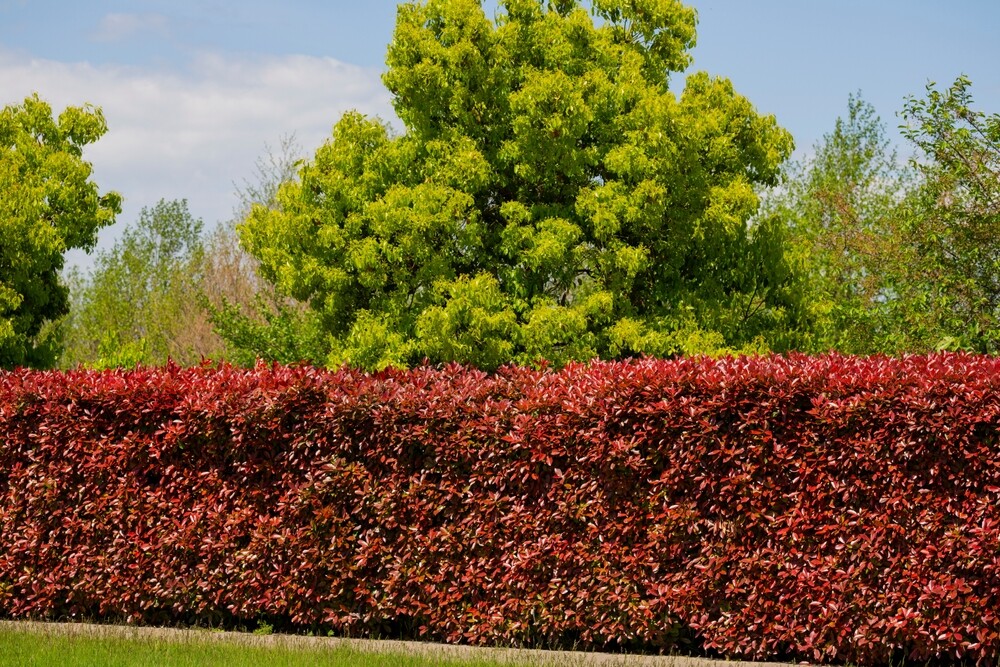
When it comes to defining your garden, creating privacy, or adding a touch of natural beauty to your property, nothing beats a properly chosen, well-tended hedge. At World of Hedges, we’ve spent over 40 years helping homeowners and businesses across Lancashire, Cumbria, Manchester, and beyond pick the right plants and keep them thriving. Here’s what you need to know to choose smartly and care confidently. 1. Picking the Right Hedge for Your Space & Purpose Not all hedges are the same — what works beautifully in one garden might struggle in another. Start by considering: Purpose: Is your hedge for privacy? Wind protection? Wildlife habitat? Or simply for decorative structure? Sun & Soil: Does your site get full sun, partial shade or be shaded most of the day? What is the soil like — well-draining, clay, sandy, or rich loam? Some hedges handle damp soil better than others. Evergreen vs Deciduous: If you want something green all year round, an evergreen hedge is best. But deciduous hedges can bring seasonal colour, blossom or fall interest. Growth Rate & Maintenance: Fast-growing hedges can establish quickly, but need more frequent trimming. Slower growers are lower maintenance but take more time to fill out. Here at World of Hedges, our nursery stocks a broad variety — hardy evergreens, native species, flowering hedges, and rarer specimens from around the world. We also provide guidance on what plant types suit each location and purpose. 2. Installation Tips for Strong, Healthy Growth A hedge is only as good as its roots — how you plant it will greatly affect its future health. Spacing: Don’t overcrowd. Correct spacing lets each plant access light, air and nutrients, helping avoid diseases. Soil Preparation: Digging in compost or well-rotted manure can help soil structure, especially in heavy clay or sandy patches. Watering: Newly planted hedges need consistent watering until they establish. Be sure the roots don’t dry out completely. Support & Mulch: Applying mulch around the base (but not touching the stems) helps retain moisture, suppress weeds, and regulate soil temperature. Stakes may be needed for tall or top-heavy plants. At our nursery in Garstang, we grow our hedges without insecticides and use nurturing techniques so they arrive healthy and strong. 3. Maintenance: Keeping Your Hedge Looking Its Best Once established, a hedge needs periodic care to look its best and serve its role effectively: Pruning: Trim regularly, shaping from the bottom up so the base stays dense. Remove dead, diseased or crossing branches to prevent issues. Feeding: A balanced fertiliser in spring helps promote lush growth. Avoid over-fertilisation which can weaken a plant’s structure. Water in Dry Spells: Especially in hot or dry months, even established hedges benefit from occasional deep watering. Pest & Disease Monitoring: Keep an eye out for signs of pest infestation or fungal disease. Early detection makes treatment far easier. 4. Environmental & Aesthetic Benefits Choosing the right hedge offers more than just privacy and boundaries. Well-chosen hedgerows enhance biodiversity — providing a habitat for birds, insects and small mammals. They help with soil stabilization, reduce noise and wind, and improve air quality. And aesthetically, they frame your garden, add shape, colour and even seasonal interest, especially when you select varieties that flower or change colour. 5. Why Choose World of Hedges? What sets us apart: Over 40 years’ experience supplying both domestic and commercial customers. A wide variety of hedges & shrubs from around the world, and a knowledgeable team who’ll guide you from choosing the right hedge to planting & beyond. Free quotes, tailored planting schemes, and a nursery with plants cultivated with care. If you’re considering a hedge for your garden or commercial border, why not drop by at the nursery in Garstang or call us? We’d be delighted to help you pick something perfect — a hedge that reflects your style, suits your lifestyle, and grows beautifully over time.
How to Care for Your Hedges in a Hot Summer

As summer temperatures rise, maintaining the health and appearance of your hedges can become a challenge. However, with the right techniques and a little extra attention, you can ensure your hedges thrive even in the hottest months. Here are some essential tips on how to care for your hedges during a hot summer. 1. Watering Wisely Water is crucial for hedges during hot weather. However, it’s not just about quantity but also timing and method. Water your hedges early in the morning or late in the evening to minimise evaporation. Aim to water the soil rather than the foliage, as wet leaves can encourage fungal diseases. Deep watering is more effective than frequent light watering, as it encourages the roots to grow deeper into the soil, making the plants more resilient to drought. 2. Mulching Mulching is a fantastic way to retain soil moisture and keep roots cool. Apply a layer of organic mulch, such as wood chips or compost, around the base of your hedges. This not only conserves moisture but also suppresses weeds and improves soil health as it decomposes. Ensure the mulch is spread evenly and avoid piling it against the stems of the plants, as this can lead to rot. 3. Pruning Practices Summer pruning is essential to maintain the shape and health of your hedges. However, during extreme heat, it’s important to be gentle. Avoid heavy pruning, as this can stress the plants. Instead, focus on light trimming to remove dead or damaged branches. This helps improve air circulation within the hedge, reducing the risk of pests and diseases. Always use sharp, clean tools to make precise cuts and minimise damage to the plants. 4. Feeding Your Hedges Hot weather can take a toll on the nutrient levels in the soil. Feeding your hedges with a balanced fertiliser can help them cope with the stress of summer heat. Opt for a slow-release fertiliser to provide a steady supply of nutrients over time. Be careful not to over-fertilise, as this can lead to excessive growth, which in turn requires more water and maintenance. 5. Providing Shade If possible, provide some temporary shade to your hedges during the hottest part of the day. This can be done using shade cloths or even strategically placing garden furniture or umbrellas. While this may not be feasible for larger hedges, it can be particularly beneficial for newly planted or more delicate species. 6. Inspect Regularly Regular inspections are vital during hot weather. Check your hedges for signs of stress, such as wilting, yellowing leaves, or dry, brittle branches. Early detection of problems allows for prompt action, whether it’s adjusting watering schedules, applying treatments for pests or diseases, or providing extra nutrients. 7. Soil Health Healthy soil is the foundation of a thriving hedge. During summer, soil can become compacted and lose its structure. Aerate the soil around your hedges to improve water infiltration and root growth. You can use a garden fork to gently loosen the soil without disturbing the roots. 8. Dealing with Pests and Diseases Hot, dry conditions can sometimes exacerbate pest and disease problems. Keep an eye out for common issues such as aphids, spider mites, and fungal diseases. Use organic pest control methods where possible, such as neem oil or insecticidal soaps, to minimise harm to beneficial insects and the environment. Conclusion Caring for your hedges in a hot summer requires a combination of attentive watering, mulching, careful pruning, and regular monitoring. By following these tips, you can help your hedges not only survive but thrive despite the challenging conditions. With a little extra effort, your garden can remain a lush, green haven throughout the summer months.