
Choosing & Caring for Hedges: A Green Guide from World of Hedges
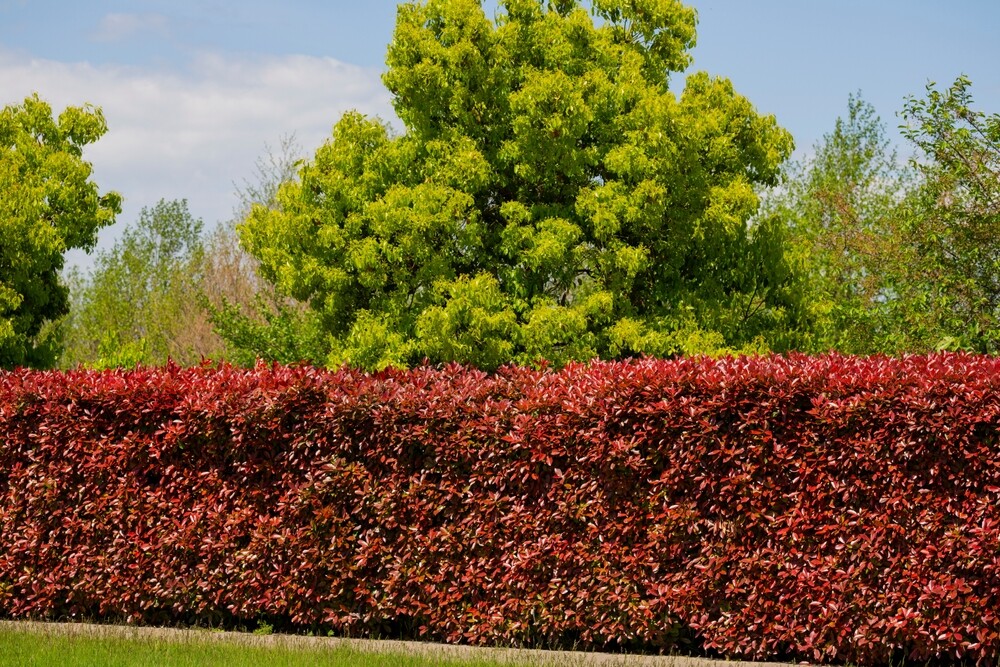
When it comes to defining your garden, creating privacy, or adding a touch of natural beauty to your property, nothing beats a properly chosen, well-tended hedge. At World of Hedges, we’ve spent over 40 years helping homeowners and businesses across Lancashire, Cumbria, Manchester, and beyond pick the right plants and keep them thriving. Here’s what you need to know to choose smartly and care confidently. 1. Picking the Right Hedge for Your Space & Purpose Not all hedges are the same — what works beautifully in one garden might struggle in another. Start by considering: Purpose: Is your hedge for privacy? Wind protection? Wildlife habitat? Or simply for decorative structure? Sun & Soil: Does your site get full sun, partial shade or be shaded most of the day? What is the soil like — well-draining, clay, sandy, or rich loam? Some hedges handle damp soil better than others. Evergreen vs Deciduous: If you want something green all year round, an evergreen hedge is best. But deciduous hedges can bring seasonal colour, blossom or fall interest. Growth Rate & Maintenance: Fast-growing hedges can establish quickly, but need more frequent trimming. Slower growers are lower maintenance but take more time to fill out. Here at World of Hedges, our nursery stocks a broad variety — hardy evergreens, native species, flowering hedges, and rarer specimens from around the world. We also provide guidance on what plant types suit each location and purpose. 2. Installation Tips for Strong, Healthy Growth A hedge is only as good as its roots — how you plant it will greatly affect its future health. Spacing: Don’t overcrowd. Correct spacing lets each plant access light, air and nutrients, helping avoid diseases. Soil Preparation: Digging in compost or well-rotted manure can help soil structure, especially in heavy clay or sandy patches. Watering: Newly planted hedges need consistent watering until they establish. Be sure the roots don’t dry out completely. Support & Mulch: Applying mulch around the base (but not touching the stems) helps retain moisture, suppress weeds, and regulate soil temperature. Stakes may be needed for tall or top-heavy plants. At our nursery in Garstang, we grow our hedges without insecticides and use nurturing techniques so they arrive healthy and strong. 3. Maintenance: Keeping Your Hedge Looking Its Best Once established, a hedge needs periodic care to look its best and serve its role effectively: Pruning: Trim regularly, shaping from the bottom up so the base stays dense. Remove dead, diseased or crossing branches to prevent issues. Feeding: A balanced fertiliser in spring helps promote lush growth. Avoid over-fertilisation which can weaken a plant’s structure. Water in Dry Spells: Especially in hot or dry months, even established hedges benefit from occasional deep watering. Pest & Disease Monitoring: Keep an eye out for signs of pest infestation or fungal disease. Early detection makes treatment far easier. 4. Environmental & Aesthetic Benefits Choosing the right hedge offers more than just privacy and boundaries. Well-chosen hedgerows enhance biodiversity — providing a habitat for birds, insects and small mammals. They help with soil stabilization, reduce noise and wind, and improve air quality. And aesthetically, they frame your garden, add shape, colour and even seasonal interest, especially when you select varieties that flower or change colour. 5. Why Choose World of Hedges? What sets us apart: Over 40 years’ experience supplying both domestic and commercial customers. A wide variety of hedges & shrubs from around the world, and a knowledgeable team who’ll guide you from choosing the right hedge to planting & beyond. Free quotes, tailored planting schemes, and a nursery with plants cultivated with care. If you’re considering a hedge for your garden or commercial border, why not drop by at the nursery in Garstang or call us? We’d be delighted to help you pick something perfect — a hedge that reflects your style, suits your lifestyle, and grows beautifully over time.
How Often Do I Need To Cut My Hedges?
Cutting off hedges improves the appearance of a yard. When a hedge is appropriately pruned, its health is improved as the diseased and dead areas are reduced. When pruning, planters should ask themselves, how often do I need to cut my hedges? Hedges need to be cut regularly to prevent drying and dead branches from affecting the nearby plants. When planters realize that there are some unwanted branches, they should remove them to allow trees to blossom. When planning to cut branches of trees assessing their growth and development is critical. Through cutting, growth is stimulated within the first few years of planting. Trees will grow stronger and faster than expected. They will also be healthy as the infected areas have been trimmed. Effective trimming of trees and branches is usually done in early spring and winter. Planters should ensure that consistent pruning is done to attain the desired shape and size. Regular pruning ensures the growth of strong trees. The frequency of pruning is dependable on the preferred species. On average, trimming should be done at least two or three times in the course of a growing season. Such seasons fall between May to September. Depending on the evaluation done by planters, trimming could be done more regularly. Sometimes branches grow faster than expected, necessitating regular cuts. Before trimming, an assessment is critical for appropriate growth and development. Cutting branches requires trimming the side branches. Such pruning encourages the development of thick branches. Full growth is therefore attained, and dormancy of plants avoided. Trimming of trees enables continuous growth. Planters should come up with a cutting plan depending on the species of the trees. Some trees grow faster than others, hence the need for comparative evaluation. An appropriate cutting plan will be developed through assessment for stable growth and development.
Maintaining Hedges In A Hot Summer
It can be tough to keep your hedges looking good in the summertime. The heat and humidity can take their toll on even the healthiest plants. This blog post will discuss five ways to maintain your hedges during the hot summer months. 1. MulchingMulching is one of the best ways to protect your hedges from the heat. Mulch helps retain moisture in the soil, which is essential during hot weather. Apply a layer of mulch around your hedges, keeping it away from the base of the plants. This will help to prevent roots from overheating and will also help to keep the soil moist. 2. WateringWatering your hedges is very important in the summer. Make sure to water deeply and thoroughly so the roots get wet. Water early in the day so the leaves have time to dry off before it gets dark outside. This will help prevent disease. 3. FertilizingFertilizing your hedges is also crucial during the summer months. Use a fertilizer high in nitrogen, as this will help promote growth. Apply the fertilizer according to the manufacturer’s directions, and be sure not to over-fertilize, as this can damage the plants. 4. PrunningPruning is another critical step in keeping your hedges looking their best. Prune early in the summer, before the plants start to produce new growth. This will help to encourage dense, compact growth. Be sure to prune away any dead or dying branches, as well as any that are crossing or rubbing against each other. Protect Your Hedges Against InsectsFinally, it is vital to protect your hedges from insects. Insects can damage the leaves and stems of the plants and can also spread disease. Be sure to inspect your hedges regularly for signs of insect damage and treat them accordingly. By following these tips, you can keep your hedges healthy and looking their best all summer long.
A Few Pointers For Choosing Evergreen Hedges
A Few Pointers For Choosing Evergreen <a href=”https://hedge.acceler8showcase.co.uk/hedges/”>Hedges</a> For many homeowners, providing an area of the lawn or garden where privacy is assured is an important part of the landscaping choices. There are several other benefits which are achieved when evergreen hedges are planted around the perimeter of a property or portion of a property. The reasons for planting a hedge can vary from privacy to aesthetics to providing a home for birds or certain types of small animals. Read on to learn more about evergreen hedgerows. The term “evergreen” doesn’t necessarily refer to the color of the hedges, but to the fact that the plants typically retain their leaves during every season of the year. The hedge plants are available in every range of green that you can imagine, from the palest hint of green to the darkest green. Some hedge plants transition to other colors such as red or purple. The foliage may be enhanced by flowers which form a decorative accent to the greenery during certain seasons. The care required to keep a hedge row looking attractive will vary, depending upon the type of plant and the purpose for which it was installed on the property. If there are height restrictions for the plant, judicious trimming periodically will be needed. For the plants to remain healthy, regular pruning of dead, broken or diseased branches is necessary. Some plants grow more quickly than others, so you will want to take the growth patterns into consideration before making a selection. Correct soil conditions and spacing requirements are another feature to think about before choosing your hedging plants. Hedges can be successfully grown in most U. S. Climate zones. However, choosing a variety that requires a lot of water may not be the best option for a desert area. Conversely, a plant that doesn’t like ‘wet feet’ would be inappropriate for a more swampy location. When installing a new hedge, or filling in empty spaces in an existing border, it is important to allow the recommended spacing between plants. An initial planting may seem very sparse, but a fact about plants is that they do grow. To be healthy, the plants should not be crowded. Allow for expansion in all directions, vertically and horizontally when planting. The purpose of the plants will determine what varieties should be picked. A hedge that is needed to provide a shady area will need to be more luxurious in its foliage. If the plants are simply to mark a boundary with a neighbor, and are not intended to block the view, a slow growing plant, or one which is low growing is a possible choice. A sometimes forgotten benefit which a hedge can provide is that of ensuring that birds will be drawn to the foliage. Birds can help to keep insect populations under control and most people enjoy watching the birds using flowering hedges for the nectar. Some of the more popular varieties of hedge plants include the fastest-growing Leylandii Cypress and the English Laurel (best hedging plant for shady sites). If you are looking for a colorful hedge, try the Red Robin. Another plant with just a touch of color is the English Holly. A visit to your local nursery or garden center will help to make the best choice for your lifestyle, climate and soil type.
How Long Does A Hedge Take To Grow
Hedges are among the most common types of plants for any garden providing a wonderful focal point cut to the desired shape or as a privacy hedge in a tall dense mix or shrub form. Choosing the right type of plant is an important factor when determining the rate at which growth will take place including evergreen or deciduous vegetation. Learning how long does a hedge take to grow requires a look at the different species and the provision of the perfect soil and light conditions. A hedge is a type of shrub ranging from the box hedges to beautiful flowered plants attracting birds and other types of fauna in your garden. The secrete to raising fast growing vegetation is knowing when to prune and ensuring that you have provided well prepared soil for all additions. Most plants require a fair amount of natural light including well drained soil to prevent the roots from sitting in water logged ground. Deciduous shrubs including Beech and Hawthorn are easy to take care of and develop quite rapidly. Deciduous means that the plant will show some form of die back with the onset of the fall and winter months so exercise precaution when selecting these types as a privacy screen. Vegetation such as Beech will not lose all of its leaves, but maintain a brown coloration through the colder period. Evergreen bushes will keep its beautiful green or red coloration through the different seasons of the year. These plants often do well in full sun or semi-shaded areas. If your soil includes a great deal of clay, apply the appropriate soil conditioners before planting to encourage healthier growth and protect against loss of the plant or stunted growth. All newly planted hedges will need a year before the roots become established after which you will notice an increase in its formation. An average of 3 inches in height per year can be expected depending on the type of species that you have planted. Always water the hedging properly through the summer months when it becomes hot and dry to prevent the roots from becoming damaged. Determine the appropriate pruning times to encourage new growth and remove the dead branches or dry patchy areas of the bush. This will not only help the plant develop faster, but also provides a more aesthetic result as you get rid of the dead or dying sections. Look out for any animals that may have nested in the shrub area before moving forward with a prune. It is a good idea to cut back hedges during late spring or the middle of summer. This stimulates the plant to produce higher levels of development. A look at the shape and the species can help determine effective times for pruning. A plant of around 24 inches can reach a height of 30 inches within 2 to 3 years. Providing hedges with the right conditions can help accelerate growth, but most plants will take an average of 5 years to achieve its full height and proper form. Taking the necessary steps to achieve a beautiful result can prove most rewarding.
Tips For Growing Privet Hedges Lancashire
A privet hedge is a semi to evergreen shrub that is available in a wide range of plant species including flower varieties. It is a common choice for the home offering privacy and an attractive appearance, but requires regular care to ensure that healthy growth is facilitated and bushes are kept neatly trimmed. With growing tips for privet hedges Lancashire homes can maintain a grand garden feature. There are many types of shrubs that can be grown according to the different climates and regions offering the best condition for optimum plant development. The hedge range can be grown in both warm and cooler areas with flowers developing in the warmer summer seasons. These plants are favored for its thick leafy formation that can be trimmed and designed into a variety of creative hedge shapes and sizes. To ensure that the best possible growth is facilitated, it is important to keep these shrubs regularly trimmed after the flowering season. Careful pruning can be implemented by a garden service to ensure that the healthiest development takes place. A routine prune that is performed correctly can encourage stronger growth and will build vegetative resilience for disease and deterioration. By regularly trimming plants after the summer months, it encourages the formation of dense foliage and bushes that are suitable to provide privacy from prying eyes. The thicker leaves and growth can aid in creating unique shapes and attractive features for a property. It can develop into a considerable height and must remain neatly trimmed and cut back to prevent overgrowth. Do not plant these shrubs in soil that is very dry and lacks sufficient moisture to provide for the dense growth and root development. If you are preparing an area to plant a hedge, ensure that enough compose is laid that will retain water and keep the roots at a suitable temperature. The shrubs can be planted in a sunny or a partial shade position making it a versatile choice for all areas of the garden. The shrubs are an excellent choice for the creation of a striking hedge, but should not be planted alone. The formation of hedges can develop an impressive form and feature for the home offering dense foliage and an attractive feature. These sturdy plants are suitable for areas with pollution exposure and do not have to be continuously maintained to produce optimum growth. It is important to have a professional perform pruning procedures or wear safety gear when handling these shrubs. A privet hedge does possess poison and should only be handled with rubber gloves and can spread very rapidly if not kept under control. It is advised for gardens that are regularly maintained and will be able to keep the size of the bushes under control. A hedge can serve as a wonderful feature for any garden offering dense foliage, greenery, and an attractive result with regular care. Routine pruning is highly recommended as it assists in eliminating weaker areas and shaping the shrub for healthy growth. Professional gardening services can ensure that shrubbery remains neatly trimmed and shaped.