
The First Year: A Masterclass in Hedge Establishment and Care
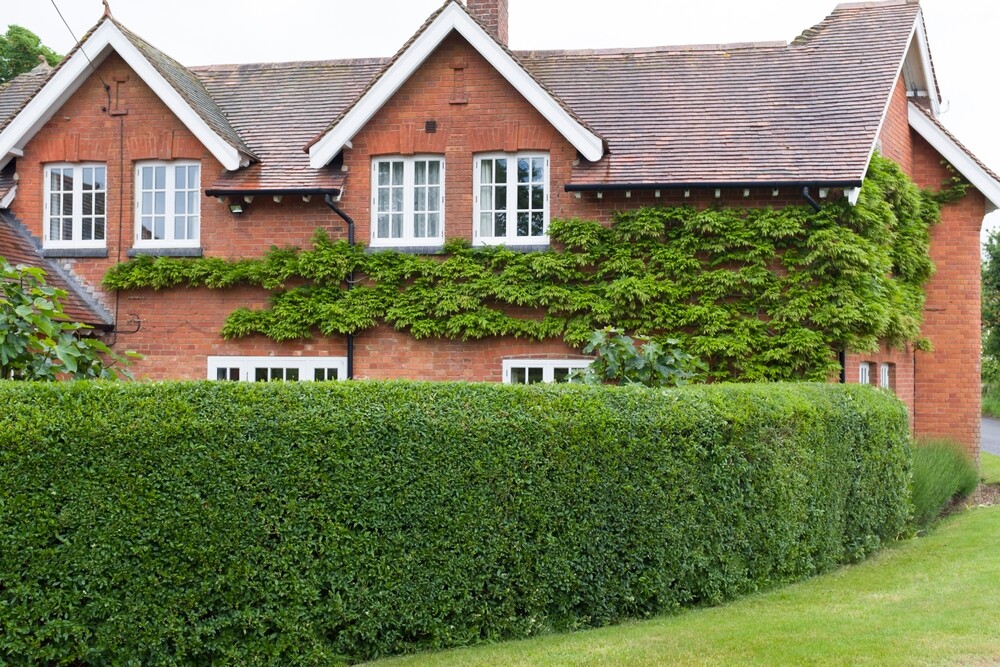
So, you’ve chosen your perfect specimens from World of Hedges and they are neatly in the ground. Now what? The first twelve months are the most “formative” in the life of a hedge. Think of your new hedge like a marathon runner—it needs the right fuel, hydration, and coaching to reach its full potential. While our hedges are delivered in peak health, the transition from our nursery to your garden soil is a significant change. Here is how to ensure your investment thrives. The Golden Rule: Hydration, Not Drowning Watering is the single most important factor in hedge survival, particularly for root-balled and container-grown plants. However, many homeowners make the mistake of “splash watering”—wetting the leaves and the top inch of soil. This encourages shallow root growth. Instead, you want to “soak” the base of the plants. During the first spring and summer, your hedge needs a deep soak 2–3 times a week (more in extreme heat). We highly recommend installing a leaky hose (soaker hose) along the base of the hedge. This allows water to drip slowly into the soil over several hours, reaching the deep roots where it is needed most. Mulching: The Secret Weapon One of the easiest ways to give your hedge a head start is by applying a thick layer of organic mulch—such as bark chippings or well-rotted compost—around the base. Mulch does three vital jobs: it suppresses weeds that would otherwise steal nutrients, it keeps the roots cool in the summer, and it locks in moisture. Ensure the mulch is a few inches deep but keep it slightly away from the actual stems of the plants to prevent rot. Feeding Your Hedge While the soil provides the basics, a “boost” can make a world of difference in that first year. A slow-release fertilizer applied in early spring gives the hedge the nitrogen it needs to produce that lush, green new growth. Avoid over-feeding in late autumn, as you don’t want the plant to produce soft, new shoots that will just be damaged by the first winter frosts. The First Trim: To Cut or Not to Cut? There is a common myth that you shouldn’t touch a new hedge for two years. In reality, light “formative pruning” is essential. For many species, especially privet and hawthorn, lightly trimming the side branches encourages the plant to “bush out” from the bottom. If you let a hedge grow straight up without any side-trimming, you often end up with a “leggy” plant that is thin at the bottom and thick at the top. By nipping the tips, you tell the plant to put its energy into creating a dense, impenetrable screen. Monitoring for Pests and Stress Keep an eye on the leaves. If they begin to turn yellow or droop, it’s usually a sign of “stress”—either too much water (waterlogged roots) or not enough. Catching these issues early is key. A healthy hedge is naturally resistant to most pests, but a stressed one is an easy target. By following these simple steps, you ensure that your World of Hedges boundary will grow into a thick, beautiful, and healthy feature that lasts for decades to come.
Should You Water A Hedge?
When planting hedges, it is crucial to check whether there is enough room for growth. After the roots are established, planters need to evaluate the planting season to assess moisture availability for appropriate growth. It is also vital for planters to ask themselves a question like, should you water a hedge? It is important to moisturize hedges in intervals of two to three days after three to twelve weeks of planting. When less than two weeks old, watering ought to be done daily. Assessing how old they are before designing a plan is critical for adequate growth. The moisture in hedges ought to sink deep into the soil. After the roots are well established, they are far-spreading and can reach their moisture for survival. Planters should assess the development of hedges to make informed decisions. For effective decisions, planters need to understand the planting period. Knowing the planting seasons helps in realizing the moisture needs of hedges. When planters opt for hedges that are installed in micro-gardens, they ought to opt for hand watering. For effective growth and development of hedges, they ought not to be watered daily. To maintain hedges, they need to be regularly pruned so that moisture spreads evenly and deep into the roots. If planters realize that the area surrounding the bottom part of the hedge is ever wet, they ought to conclude that there is excess moisture. When moisturizing hedges, it is essential to ensure it is not overdone as it negatively impacts the growth and development of hedges. The tree may wither, and turn green or yellow due to the excess moisture. Close monitoring of newly planted hedges ensures that they are sufficiently moist. If planters realize that the hedges are drying out, they should moisturize them thoroughly. They need not be overwatered as they may drown, especially when newly planted. A well-evaluated moisturizing plan is essential for the effective growth of hedges. Watering needs to be done depending on the planting season and the hedge’s age.
Some Suggestions For Fast Growing Hedge Plants That Give Homeowners Elegant Privacy
If you have just purchased a new home, you probably have some major landscaping to do. The developers may have provided the basics, but it you live on a small lot with neighbors on either side, you probably want something more substantial. Fences won’t give you the seclusion you want, and may send the wrong message to your neighbors. Fast growing hedge plants are a good, aesthetically pleasing alternative. You can choose from flowering shrubs, those producing berries, or reliable evergreens. If you love the idea of flowers, you should consider the mock orange. You won’t see actual oranges when you plant these shrubs, but you will enjoy the fragrant citrus smell and the delicate white flowers that characterize the plants. You can expect this shrub to grow six to eight feet tall, depending on the variety you choose. Lilacs are a perennial favorite. These fragrant bushes can grow anywhere from six to twenty feet tall. The Blue Wedgewood is one of the most popular varieties. It will only get to a height of about six feet and will spread an equal width. The Wedgewood is lavender blue, but you can find the lilac bushes with white, purple, burgundy, or lilac blooms. The Forsythia is a shrub that will let you know spring has arrived. The blooms flower before the leaves have a chance to sprout, so you will have a vibrant yellow wall of beauty in the early spring. Unfortunately, once they bloom in spring, you will be left with shrubs that aren’t noteworthy on their own. If you are lucky though, the leaves may turn a beautiful purplish color in the fall. An interesting fast growing shrub is the Purple Beautyberry. These bushes grow so quickly most landscapers recommend pruning them down to about a foot in the spring. The shrubs have light pink or purple flowers in the spring that turn into purple or white berries in the fall. The bushes are easy to grow whether you plant them in full sun or shade. If you want a hedge that is consistent throughout the year, you may want to go with a form of evergreen. The Arborvitae is one example. The Green Giant grows the fastest, but since it can reach heights of sixty feet, may not be suitable for everyone. The Emerald Green doesn’t grow as quickly, but at twelve feet high, when mature, and three feet wide, it makes a nice, manageable hedge. Yews are versatile choices. They have an advantage over some other evergreens in that these shrubs will thrive even in shady, north facing areas of the yard. Yews are happy in full sun as well. These are the shrubs you see with red berries that you have to warn your children about. The berries are poisonous and not to be eaten. It’s great to move into a community with good neighbors. There are times when you want your privacy though. Privacy hedges don’t have to be forbidding. They can simply be a reminder to respect your need for space.