
The First Year: A Masterclass in Hedge Establishment and Care
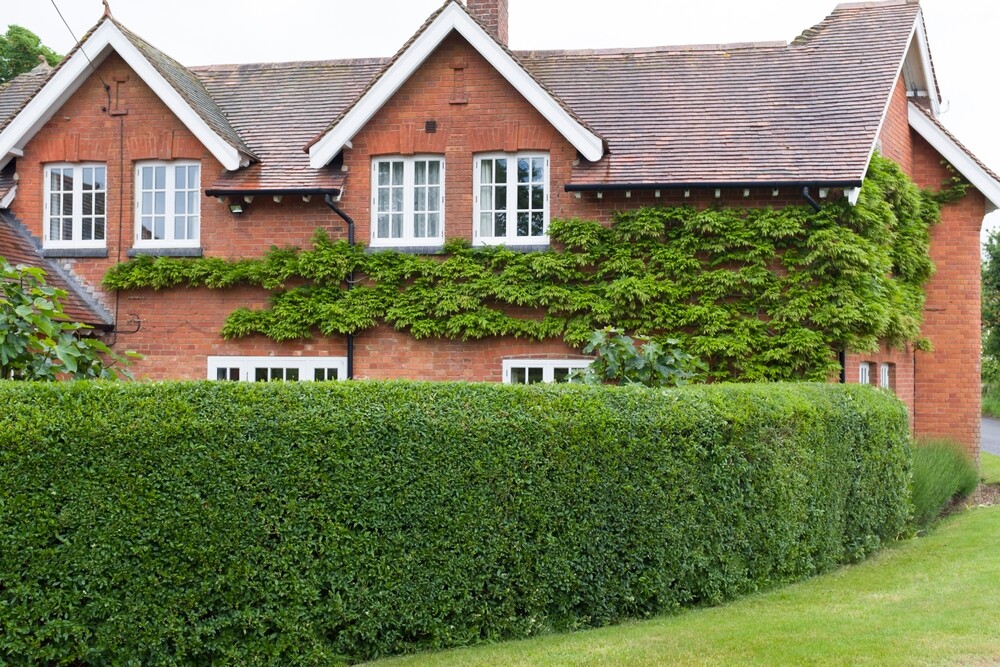
So, you’ve chosen your perfect specimens from World of Hedges and they are neatly in the ground. Now what? The first twelve months are the most “formative” in the life of a hedge. Think of your new hedge like a marathon runner—it needs the right fuel, hydration, and coaching to reach its full potential. While our hedges are delivered in peak health, the transition from our nursery to your garden soil is a significant change. Here is how to ensure your investment thrives. The Golden Rule: Hydration, Not Drowning Watering is the single most important factor in hedge survival, particularly for root-balled and container-grown plants. However, many homeowners make the mistake of “splash watering”—wetting the leaves and the top inch of soil. This encourages shallow root growth. Instead, you want to “soak” the base of the plants. During the first spring and summer, your hedge needs a deep soak 2–3 times a week (more in extreme heat). We highly recommend installing a leaky hose (soaker hose) along the base of the hedge. This allows water to drip slowly into the soil over several hours, reaching the deep roots where it is needed most. Mulching: The Secret Weapon One of the easiest ways to give your hedge a head start is by applying a thick layer of organic mulch—such as bark chippings or well-rotted compost—around the base. Mulch does three vital jobs: it suppresses weeds that would otherwise steal nutrients, it keeps the roots cool in the summer, and it locks in moisture. Ensure the mulch is a few inches deep but keep it slightly away from the actual stems of the plants to prevent rot. Feeding Your Hedge While the soil provides the basics, a “boost” can make a world of difference in that first year. A slow-release fertilizer applied in early spring gives the hedge the nitrogen it needs to produce that lush, green new growth. Avoid over-feeding in late autumn, as you don’t want the plant to produce soft, new shoots that will just be damaged by the first winter frosts. The First Trim: To Cut or Not to Cut? There is a common myth that you shouldn’t touch a new hedge for two years. In reality, light “formative pruning” is essential. For many species, especially privet and hawthorn, lightly trimming the side branches encourages the plant to “bush out” from the bottom. If you let a hedge grow straight up without any side-trimming, you often end up with a “leggy” plant that is thin at the bottom and thick at the top. By nipping the tips, you tell the plant to put its energy into creating a dense, impenetrable screen. Monitoring for Pests and Stress Keep an eye on the leaves. If they begin to turn yellow or droop, it’s usually a sign of “stress”—either too much water (waterlogged roots) or not enough. Catching these issues early is key. A healthy hedge is naturally resistant to most pests, but a stressed one is an easy target. By following these simple steps, you ensure that your World of Hedges boundary will grow into a thick, beautiful, and healthy feature that lasts for decades to come.
Low-Maintenance Hedges for the Busy Gardener
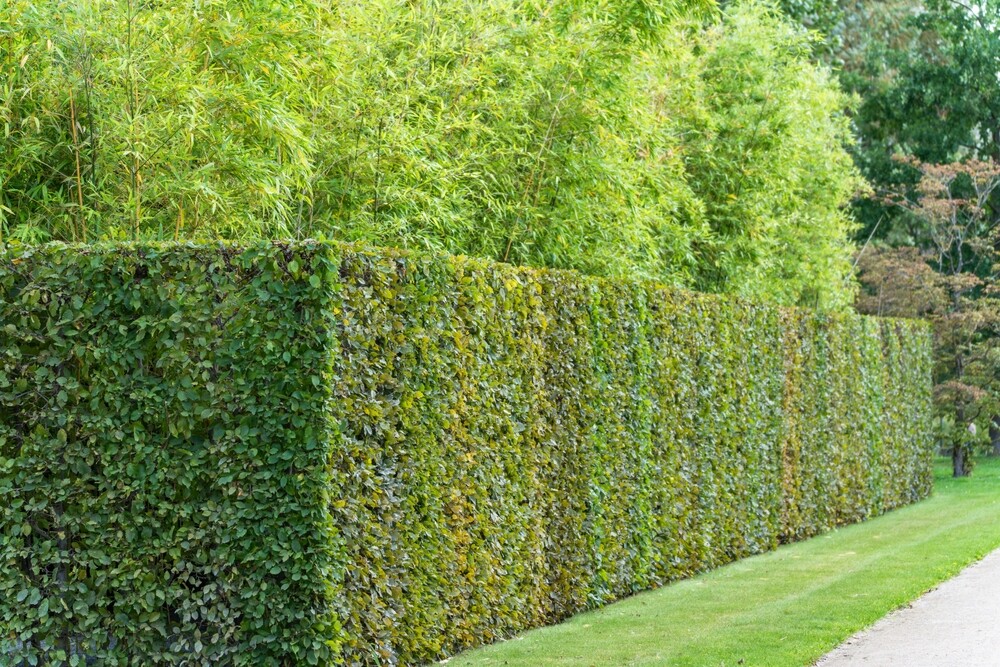
We understand that not everyone has the time for monthly pruning. If you want the beauty of a hedge without the “homework,” selecting a slow-growing or naturally compact species is key. Best “Easy-Care” Species English Yew (Taxus baccata): Despite its reputation, Yew is an incredibly tough, slow-growing plant that usually only requires one trim per year. It is rarely troubled by pests and creates a sophisticated, dark green backdrop. Portuguese Laurel (Prunus lusitanica): Slower-growing than its “Cherry” cousin, this variety features elegant red stems and smaller leaves. It’s a fantastic choice for those who want a formal look with minimal effort. Box Alternative (Euonymus japonicus ‘Green Spire’): With the rise of box blight, ‘Green Spire’ has become a favourite for low borders. It maintains a neat, upright shape with very little intervention.
Planting for Nature: The Benefits of a Mixed Native Hedge
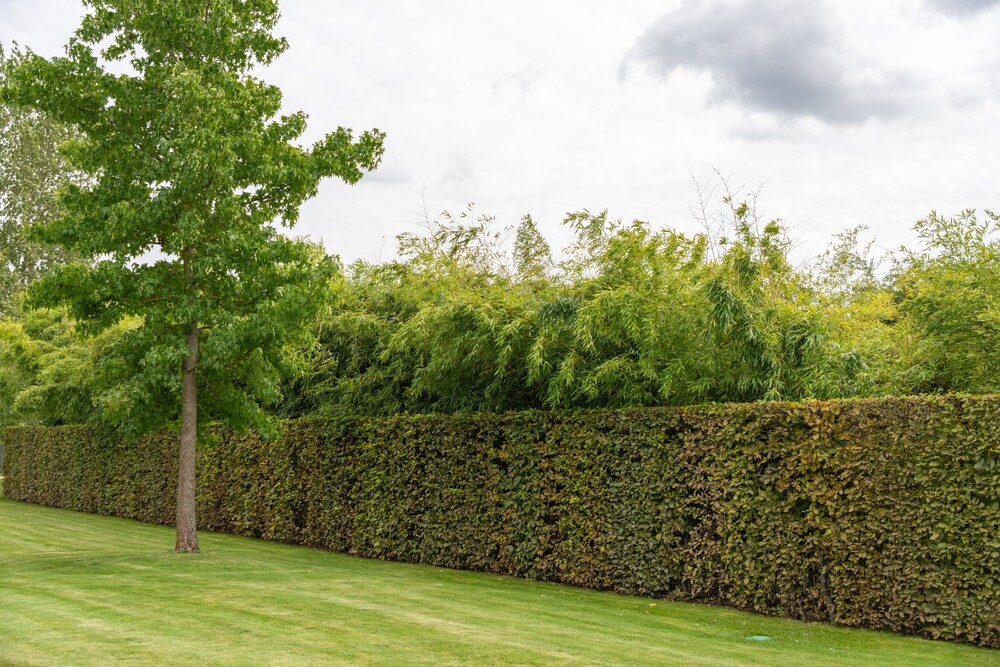
As we move through 2026, more UK gardeners are prioritising biodiversity. A mixed native hedge is essentially a “living larder” for British wildlife, providing food, shelter, and safe corridors for movement. Why Go Native? A typical native mix—often consisting of 50% Hawthorn supplemented with Blackthorn, Field Maple, and Hazel—mimics the ancient hedgerows of our countryside. Spring Blossom: Hawthorn and Blackthorn provide vital early nectar for bees and butterflies. Autumn Berries: In the leaner months, the “hips and haws” of a native hedge provide a much-needed food source for birds and small mammals like hedgehogs. A Changing Aesthetic Unlike formal evergreen hedges, a native hedge offers a changing palette through the seasons. You’ll enjoy vibrant spring greens, summer flowers, and deep autumnal oranges and reds. They are also exceptionally hardy, having evolved to thrive in the UK’s unpredictable weather and varied soil types.
Choosing & Caring for Hedges: A Green Guide from World of Hedges
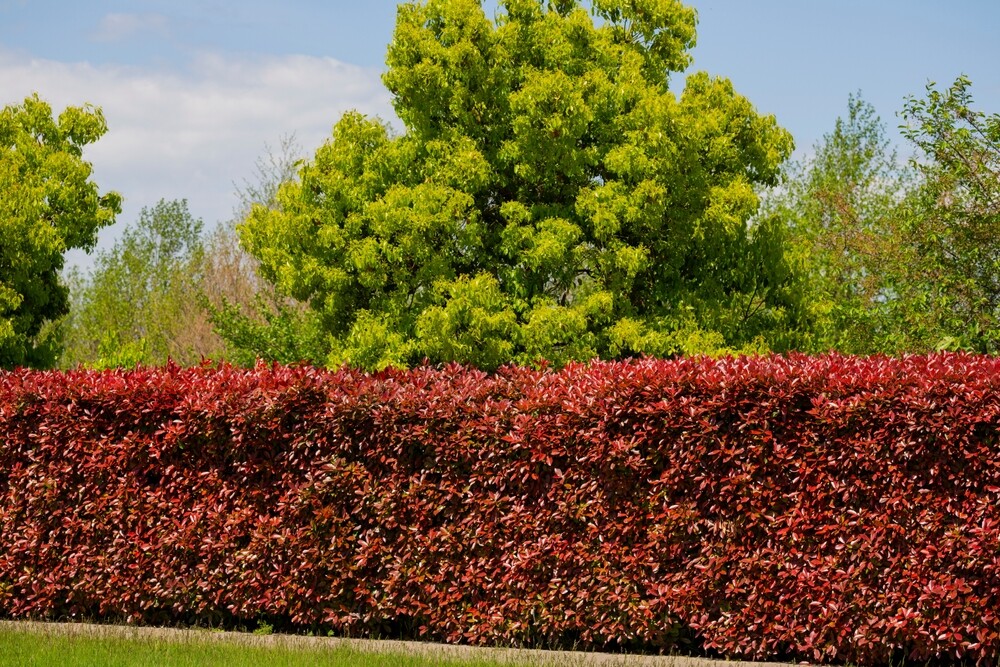
When it comes to defining your garden, creating privacy, or adding a touch of natural beauty to your property, nothing beats a properly chosen, well-tended hedge. At World of Hedges, we’ve spent over 40 years helping homeowners and businesses across Lancashire, Cumbria, Manchester, and beyond pick the right plants and keep them thriving. Here’s what you need to know to choose smartly and care confidently. 1. Picking the Right Hedge for Your Space & Purpose Not all hedges are the same — what works beautifully in one garden might struggle in another. Start by considering: Purpose: Is your hedge for privacy? Wind protection? Wildlife habitat? Or simply for decorative structure? Sun & Soil: Does your site get full sun, partial shade or be shaded most of the day? What is the soil like — well-draining, clay, sandy, or rich loam? Some hedges handle damp soil better than others. Evergreen vs Deciduous: If you want something green all year round, an evergreen hedge is best. But deciduous hedges can bring seasonal colour, blossom or fall interest. Growth Rate & Maintenance: Fast-growing hedges can establish quickly, but need more frequent trimming. Slower growers are lower maintenance but take more time to fill out. Here at World of Hedges, our nursery stocks a broad variety — hardy evergreens, native species, flowering hedges, and rarer specimens from around the world. We also provide guidance on what plant types suit each location and purpose. 2. Installation Tips for Strong, Healthy Growth A hedge is only as good as its roots — how you plant it will greatly affect its future health. Spacing: Don’t overcrowd. Correct spacing lets each plant access light, air and nutrients, helping avoid diseases. Soil Preparation: Digging in compost or well-rotted manure can help soil structure, especially in heavy clay or sandy patches. Watering: Newly planted hedges need consistent watering until they establish. Be sure the roots don’t dry out completely. Support & Mulch: Applying mulch around the base (but not touching the stems) helps retain moisture, suppress weeds, and regulate soil temperature. Stakes may be needed for tall or top-heavy plants. At our nursery in Garstang, we grow our hedges without insecticides and use nurturing techniques so they arrive healthy and strong. 3. Maintenance: Keeping Your Hedge Looking Its Best Once established, a hedge needs periodic care to look its best and serve its role effectively: Pruning: Trim regularly, shaping from the bottom up so the base stays dense. Remove dead, diseased or crossing branches to prevent issues. Feeding: A balanced fertiliser in spring helps promote lush growth. Avoid over-fertilisation which can weaken a plant’s structure. Water in Dry Spells: Especially in hot or dry months, even established hedges benefit from occasional deep watering. Pest & Disease Monitoring: Keep an eye out for signs of pest infestation or fungal disease. Early detection makes treatment far easier. 4. Environmental & Aesthetic Benefits Choosing the right hedge offers more than just privacy and boundaries. Well-chosen hedgerows enhance biodiversity — providing a habitat for birds, insects and small mammals. They help with soil stabilization, reduce noise and wind, and improve air quality. And aesthetically, they frame your garden, add shape, colour and even seasonal interest, especially when you select varieties that flower or change colour. 5. Why Choose World of Hedges? What sets us apart: Over 40 years’ experience supplying both domestic and commercial customers. A wide variety of hedges & shrubs from around the world, and a knowledgeable team who’ll guide you from choosing the right hedge to planting & beyond. Free quotes, tailored planting schemes, and a nursery with plants cultivated with care. If you’re considering a hedge for your garden or commercial border, why not drop by at the nursery in Garstang or call us? We’d be delighted to help you pick something perfect — a hedge that reflects your style, suits your lifestyle, and grows beautifully over time.
Common Diseases That Affect Hedges in the UK

Hedges are a vital component of gardens and landscapes across the UK, serving as natural boundaries, windbreaks, and habitats for wildlife. However, like all plants, hedges can be affected by diseases that compromise their health, appearance, and function. Identifying and addressing these issues promptly is crucial to maintaining thriving hedges. In this blog, we’ll explore some of the most common hedge diseases in the UK, their symptoms, and how to manage them effectively. 1. Box Blight Hedges Affected: Box (Buxus spp.) Box blight is a fungal disease caused by Cylindrocladium buxicola. It has become a significant concern for gardeners in the UK, particularly in formal gardens where box hedges are popular. Symptoms: Black or brown leaf spots. Leaves turning yellow and falling off prematurely. Black streaks on stems. Defoliation leading to bare patches. Prevention and Management: Ensure good air circulation by thinning out dense growth. Avoid overhead watering to reduce moisture on leaves. Remove and destroy infected leaves and branches promptly. Use resistant varieties or consider alternative plants like Ilex crenata or Lonicera nitida. 2. Honey Fungus Hedges Affected: Various, including privet, yew, and beech. Honey fungus (Armillaria spp.) is a devastating fungal disease that affects the roots of woody plants, including hedges. Symptoms: Wilting and yellowing of leaves. Dieback of branches. A white, fan-like fungal growth under the bark at the base. Clusters of honey-coloured mushrooms near the base of the hedge in autumn. Prevention and Management: Remove infected plants and as much of the root system as possible. Improve soil drainage and avoid overwatering. Install a physical barrier to prevent the spread of fungal rhizomorphs. 3. Powdery Mildew Hedges Affected: Hawthorn, privet, and others. Powdery mildew is a common fungal disease that thrives in warm, humid conditions. Symptoms: White, powdery coating on leaves, stems, and buds. Leaves may curl, become distorted, and drop prematurely. Reduced vigour and poor growth. Prevention and Management: Prune hedges to improve air circulation. Water at the base rather than over the foliage. Apply fungicides designed for powdery mildew, particularly during early signs of infection. 4. Phytophthora Root Rot Hedges Affected: Yew, laurel, and others. Phytophthora is a waterborne pathogen that causes root rot, particularly in poorly drained soils. Symptoms: Wilting and yellowing of foliage. Stunted growth and dieback. Browning and decay of roots. Prevention and Management: Ensure proper drainage to prevent waterlogging. Avoid overwatering and improve soil conditions. Remove and destroy infected plants to prevent the spread of the disease. 5. Leaf Spot Diseases Hedges Affected: A wide variety, including privet and laurel. Leaf spot diseases are caused by various fungi or bacteria, leading to unsightly blemishes on hedge foliage. Symptoms: Circular or irregular spots on leaves, often brown or black. Premature leaf drop. In severe cases, defoliation. Prevention and Management: Remove and dispose of infected leaves. Prune affected areas to prevent the spread. Maintain proper watering and fertilisation to strengthen plant resistance. Preventing Hedge Diseases Preventative measures are the best way to protect your hedges from disease. Follow these tips: Choose disease-resistant varieties when planting. Maintain healthy soil with good drainage and balanced nutrients. Regularly prune to remove dead or infected branches and improve air circulation. Water wisely, avoiding excessive moisture on foliage. Inspect hedges frequently for early signs of disease. Conclusion Diseases can pose a significant threat to hedges, but with vigilance and proper care, most issues can be prevented or managed effectively. At the first sign of trouble, take prompt action to contain the disease and minimise its impact. By staying proactive, you can ensure your hedges remain healthy and vibrant, providing beauty and functionality to your outdoor spaces for years to come. If you need expert advice or professional help with hedge maintenance, contact your local gardening service for tailored solutions.
The Importance and Beauty of Hedgerows in the UK

Hedgerows are an iconic feature of the British landscape, weaving through the countryside and urban areas alike. These living boundaries have been a part of the UK’s environment for centuries, offering a range of ecological, historical, and cultural benefits. In this blog, we will explore the significance of hedgerows, their role in biodiversity, and the challenges they face today. A Brief History of Hedgerows Hedgerows date back to the Bronze Age, but most of the hedges seen today were planted during the medieval period and later during the Enclosure Acts of the 18th and 19th centuries. These acts consolidated small landholdings into larger farms, and hedgerows were used to mark boundaries, control livestock, and provide windbreaks for crops. Over time, these hedges grew into the complex, layered habitats we see today . Biodiversity Hotspots One of the most critical roles of hedgerows is their support for biodiversity. They provide habitat, food, and corridors for wildlife, making them essential for the survival of many species. Birds, small mammals, insects, and plants all thrive in and around hedgerows. For example, species such as the hedgehog, dormouse, and many bird species, including the yellowhammer and linnet, depend on these habitats for nesting and feeding. Hedgerows also support a diverse range of plant species, including native trees like hawthorn, blackthorn, and oak. The dense structure of a well-managed hedgerow can offer shelter and resources for hundreds of different species, contributing significantly to the ecological network of the UK countryside . Environmental Benefits Beyond supporting biodiversity, hedgerows offer numerous environmental benefits. They act as carbon sinks, capturing and storing carbon dioxide from the atmosphere. This helps mitigate the effects of climate change. Hedgerows also play a vital role in soil conservation by preventing erosion and improving soil structure. Their root systems help to stabilize the soil, reduce runoff, and enhance water infiltration, which is crucial for maintaining healthy agricultural land. Additionally, hedgerows provide natural windbreaks, which protect crops and livestock from harsh weather conditions. They also help to reduce noise pollution and improve air quality by trapping dust and pollutants . Cultural and Aesthetic Value Hedgerows are deeply embedded in the UK’s cultural heritage. They have been celebrated in literature, art, and folklore for centuries. The aesthetic value of hedgerows cannot be understated; they enhance the beauty of the countryside, providing scenic views and a sense of continuity with the past. For many, hedgerows are a symbol of the traditional British landscape and rural way of life. Challenges and Conservation Despite their importance, hedgerows face numerous challenges. Agricultural practices, urbanization, and neglect have led to significant losses. Since the end of World War II, the UK has lost an estimated 50% of its hedgerows due to land clearance for agriculture and development . Conservation efforts are underway to protect and restore hedgerows. The UK government has implemented policies and grants to encourage farmers and landowners to maintain and plant new hedgerows. Organizations such as The Hedgelink and The Wildlife Trusts also work tirelessly to promote the importance of hedgerows and support conservation projects. Conclusion Hedgerows are more than just boundaries; they are vital components of the UK’s natural heritage and ecosystems. They support biodiversity, provide environmental benefits, and enhance the cultural landscape. Protecting and restoring these valuable habitats is essential for maintaining the health and beauty of the British countryside. By recognizing the significance of hedgerows, we can ensure they continue to thrive for future generations.
Embracing Renewal: Celebrating the First Day of Spring

As the winter frost melts away and the earth begins to stir from its slumber, we welcome the arrival of the much-anticipated first day of spring. This day marks the transition from the cold, barren landscapes of winter to the vibrant, blooming beauty of springtime. It’s a time of renewal, rebirth, and awakening, both in nature and within ourselves. The first day of spring, also known as the vernal equinox, holds a special significance across cultures and traditions. It symbolizes a time of balance, as day and night are of equal length, and it heralds the beginning of longer days and warmer temperatures. It’s a time when the world comes alive with the vibrant colors of budding flowers, the melodious songs of returning birds, and the sweet fragrance of blooming trees. For many, the first day of spring is a time of celebration and joy. It’s a day to shed the heavy layers of winter clothing and step outside to bask in the gentle warmth of the sun. It’s a day to feel the soft grass beneath our feet, to breathe in the fresh, crisp air, and to marvel at the beauty of nature’s awakening. One of the most iconic symbols of the first day of spring is the blooming of cherry blossoms. In many cultures, the blossoming cherry trees are seen as a symbol of new beginnings, hope, and the fleeting beauty of life. People from all over the world flock to witness the breathtaking spectacle of cherry blossoms in bloom, often participating in festivals and gatherings to celebrate the arrival of spring. But the first day of spring is not just about external beauty; it’s also about inner renewal and growth. Just as nature emerges from its winter slumber to embrace the warmth and light of spring, so too can we emerge from the darkness of the past to embrace the promise of the future. It’s a time to let go of the old and embrace the new, to release what no longer serves us and make space for growth and transformation. Springtime encourages us to reconnect with the world around us, to nurture our relationships, and to cultivate a sense of gratitude for the beauty and abundance that surrounds us. It’s a time to plant seeds—both literally and metaphorically—and to nurture them with care and intention, knowing that they will eventually blossom into something beautiful and bountiful. As we celebrate the first day of spring, let us embrace the spirit of renewal and transformation that it represents. Let us open our hearts to the beauty and wonder of the world around us, and let us step boldly into the promise of a new season filled with hope, joy, and endless possibilities. Happy spring!
How to use your hedges most effectively for wind protection

Hedges have been used as a natural windbreak for centuries, proving their worth over time. Whether protecting plants, property or people, hedges planted in specific areas significantly reduce the effects of strong winds. Moreover, these functional plantings enhance the aesthetic value of any property while providing a useful habitat for wildlife. To use hedges most effectively for wind protection, selecting the correct species according to climate and wind patterns is paramount. Hedges composed of multiple plant species or possessing a diverse range in leaf size and shape, have been proven to be more effective at slowing wind speeds than single-species hedges. When planting your hedge, be diligent in spacing them adequately to ensure proper growth and coverage. Hedges should be planted in rows with the appropriate distance from each other to optimise air flow and sun exposure. Prune and shape your hedge as needed to guarantee it continues to provide maximum wind protection. In addition to traditional hedge species like boxwood and privet, there is a multitude of other plant options for windbreaks including evergreen trees, shrubs, and even bamboo. With proper planning and maintenance, windbreak hedges can provide pragmatic and aesthetic advantages, significantly reducing the impact of strong winds across your property.
Benefits of Using Flowering Hedges in Landscape Design

Flowering hedges can be a beautiful addition to any landscape design. Not only do they provide privacy and security, but they also add color and fragrance to your outdoor space. There are many different types of flowering hedges to choose from, each with its own unique characteristics and benefits. One example of a flowering hedge is the rose bush. Roses are known for their stunning blooms and intoxicating scent. They come in a variety of colors, including red, pink, yellow, and white, allowing you to choose the perfect hue to complement your landscape. In addition to their beauty, rose bushes also attract pollinators like bees and butterflies, making them a great choice for eco-conscious gardeners. Another popular choice for a flowering hedge is the lilac bush. Lilacs are known for their clusters of fragrant flowers that bloom in the spring. They come in a range of colors, from pale lavender to deep purple, and their sweet scent can fill your entire yard. Lilac bushes are also relatively low-maintenance, making them a great option for those who want a beautiful hedge without a lot of upkeep. If you’re looking for a flowering hedge that will attract wildlife, consider planting a butterfly bush. As the name suggests, butterfly bushes are a magnet for butterflies and other pollinators. They produce long, cone-shaped clusters of flowers in a variety of colors, including purple, pink, and white. Not only will a butterfly bush add beauty to your landscape, but it will also help support local butterfly populations. For those who prefer a more formal look, a boxwood hedge may be the perfect choice. Boxwoods are evergreen shrubs that can be pruned into a variety of shapes, including hedges. While they don’t produce showy flowers, their dense foliage provides a lush, green backdrop for your garden. Boxwood hedges are often used to create formal garden spaces or to define borders within a larger landscape. If you’re looking for a flowering hedge that will provide year-round interest, consider planting a hydrangea bush. Hydrangeas are known for their large, showy blooms that come in a variety of colors, including blue, pink, and white. They also have attractive foliage that changes color in the fall, adding even more visual interest to your landscape. Hydrangeas are relatively easy to care for and can thrive in a variety of soil conditions. In conclusion, flowering hedges can be a beautiful and functional addition to any landscape design. Whether you’re looking for privacy, color, fragrance, or wildlife attraction, there is a flowering hedge that will meet your needs. From the stunning blooms of roses and lilacs to the attractively shaped foliage of boxwoods, there are endless options to choose from. Consider incorporating a flowering hedge into your landscape design to add beauty and interest to your outdoor space. Top 10 Flowering Hedges for a Colorful Garden Flowering hedges can add a burst of color and beauty to any garden. They not only provide privacy and define boundaries, but also attract pollinators and create a vibrant atmosphere. If you’re looking to add some color to your garden, here are the top 10 flowering hedges that are sure to make a statement. 1. Rose Hedge: Roses are classic and timeless, and a rose hedge can create a stunning display of color and fragrance. With a wide variety of colors and types to choose from, you can create a hedge that suits your personal style and preferences. 2. Lilac Hedge: Lilacs are known for their intoxicating scent and beautiful clusters of flowers. A lilac hedge can create a romantic and whimsical atmosphere in your garden, and the flowers can be cut and brought indoors to enjoy their fragrance. 3. Hydrangea Hedge: Hydrangeas are known for their large, showy blooms that come in a range of colors, from pink and blue to white and purple. A hydrangea hedge can add a touch of elegance and charm to your garden, and the flowers can be dried and used in floral arrangements. 4. Butterfly Bush Hedge: As the name suggests, butterfly bushes are a magnet for butterflies and other pollinators. With their long, cone-shaped clusters of flowers, a butterfly bush hedge can create a vibrant and lively garden that is sure to attract attention. 5. Forsythia Hedge: Forsythias are one of the first plants to bloom in the spring, with their bright yellow flowers signaling the arrival of warmer weather. A forsythia hedge can add a burst of color to your garden after a long, dreary winter. 6. Azalea Hedge: Azaleas are known for their stunning, trumpet-shaped flowers that come in a wide range of colors. A well-maintained azalea hedge can create a striking display of color and beauty, and the flowers can last for several weeks. 7. Weigela Hedge: Weigelas are versatile shrubs that produce clusters of tubular flowers in various shades of pink, red, and white. A weigela hedge can add a touch of elegance and sophistication to your garden, and the flowers are loved by hummingbirds. 8. Mock Orange Hedge: Mock oranges are known for their fragrant, white flowers that resemble those of orange trees. A mock orange hedge can create a beautiful and fragrant backdrop for your garden, and the flowers can be enjoyed both visually and aromatically. 9. Spirea Hedge: Spireas are low-maintenance shrubs that produce clusters of small, delicate flowers in shades of pink, white, and red. A spirea hedge can add a touch of charm and grace to your garden, and the flowers can attract butterflies and other pollinators. 10. Viburnum Hedge: Viburnums are versatile shrubs that produce clusters of flowers in various shapes and colors. From the fragrant, white flowers of the Korean spice viburnum to the pink, snowball-like blooms of the Japanese snowball viburnum, a viburnum hedge can create a stunning and diverse display of color in your garden. In conclusion, flowering hedges are a wonderful addition to any garden, providing both beauty and functionality. Whether you prefer the classic elegance of roses or the vibrant colors of hydrangeas,
Problem Weeds in UK Hedgerows
Hedgerows play a vital role in the UK’s ecosystem. They provide habitats for a range of wildlife, serve as windbreaks and shade in agricultural areas, and help reduce soil erosion. However, these important natural resources are under threat from invasive weeds. The UK is home to a variety of weed species that, if left unchecked, can reduce the ecological and economic value of hedgerows. In this blog post, we will discuss some of the most problematic weeds found in UK hedgerows, as well as the methods used to control them. Japanese Knotweed Japanese knotweed (Fallopia japonica) is a highly invasive weed that can grow to over 3 metres tall. It was first introduced to the UK in the 1800s as an ornamental plant, but soon escaped from gardens and began to spread rapidly. Japanese knotweed can take over large areas of hedgerow, and its hardy root system can damage infrastructure such as roads and buildings. Eradication of Japanese knotweed is difficult and requires professional treatment. Himalayan Balsam Himalayan balsam (Impatiens glandulifera) is another invasive weed found in UK hedgerows. It was first introduced in the UK in the mid-19th century as an ornamental plant but has since escaped and become widely established in hedgerows and along riverbanks. Himalayan balsam can grow very quickly, up to 2 metres in height, and its seeds are easily spread by wildlife and humans. Efforts to control Himalayan balsam often involve pulling up the plant by hand, as well as using herbicides. Giant Hogweed Giant hogweed (Heracleum mantegazzianum) is a dangerous weed found in hedgerows across the UK. It contains toxic sap that can cause severe burns and blisters, which can even lead to hospitalization. Giant hogweed can grow up to 5 metres tall and is often mistaken for cow parsley or hogweed, so caution must be exercised when identifying it. Eradication of giant hogweed usually involves professional treatment. Ragwort Common ragwort (Senecio jacobaea) is a native weed found in hedgerows in the UK. While it is a useful food source for some wildlife, it is also toxic to horses and livestock. Ingesting ragwort can cause liver damage or even death in animals. Ragwort is also a problem for farmers as it can grow quickly and take over fields. Control methods for ragwort often involve pulling up the plant by hand or using herbicides. Conclusion Invasive weeds are a serious problem for UK hedgerows. Not only do they reduce the ecological and economic value of these important natural resources, but they can also pose a danger to human and animal health. Methods for controlling these weeds include pulling up the plant by hand, using herbicides, and professional treatment. It’s essential to act quickly and efficiently to control weed populations, preventing further spread into surrounding areas and protecting the delicate ecosystem of UK hedgerows.