
The Privacy Revolution: Why Instant Hedging is the Ultimate Garden Upgrade
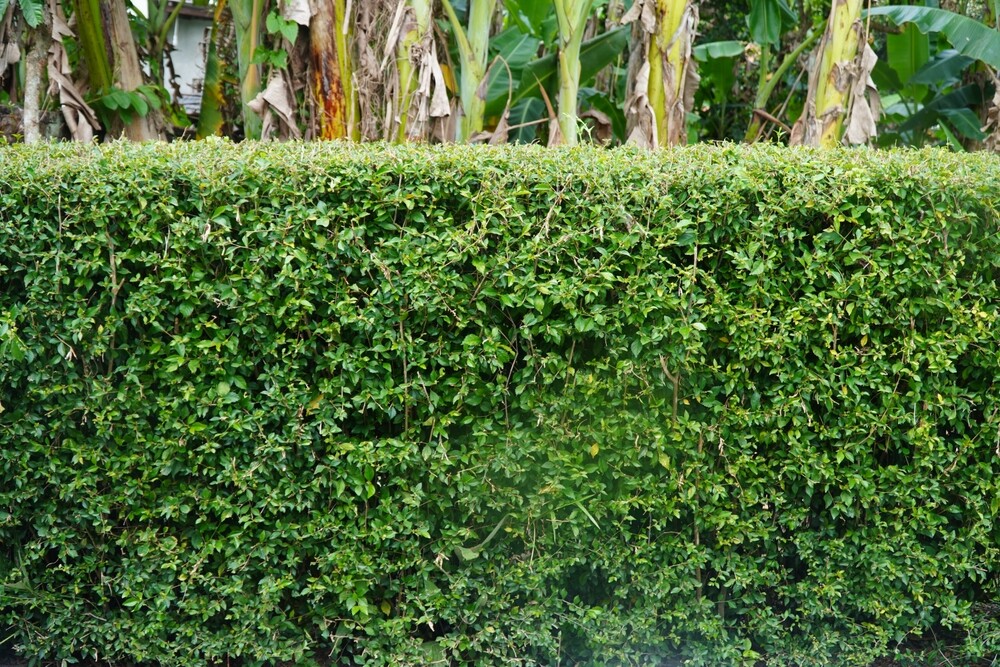
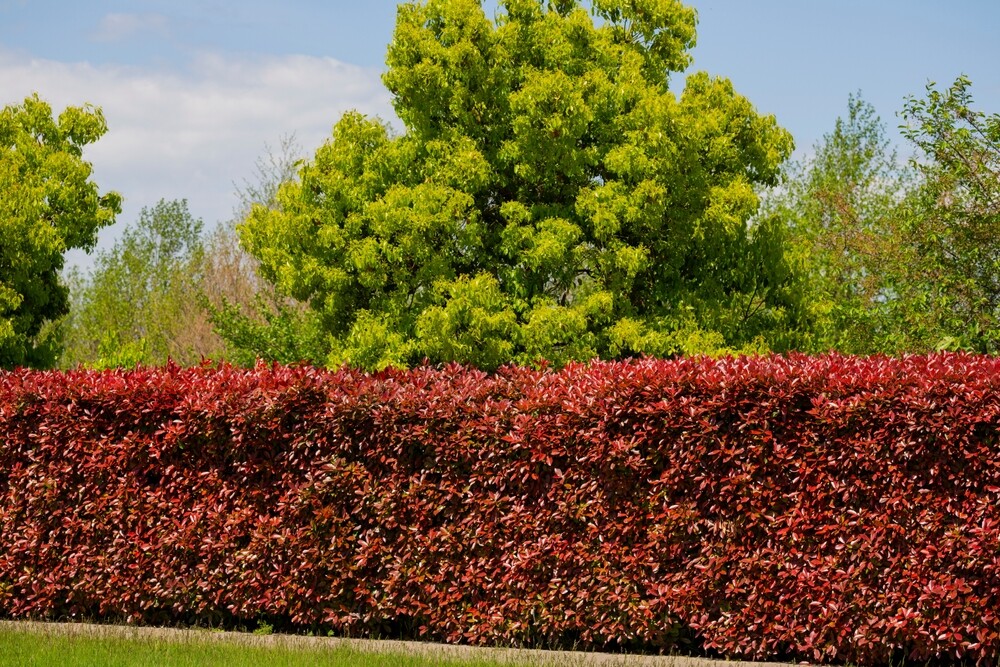
In the modern British garden, privacy has become the most sought-after luxury. As housing developments become denser and our outdoor spaces more overlooked, the desire for a secluded sanctuary has never been higher. While many homeowners instinctively reach for a fence panel, the “Green Wall” revolution is taking over. A living hedge offers more than just a boundary; it provides a sound barrier, a windbreak, and a thriving ecosystem for local wildlife. At World of Hedges, we believe the right hedge doesn’t just mark a line—it transforms a property’s entire aesthetic. The Pitfalls of Fencing vs. The Beauty of Hedging Fencing is often seen as the “quick fix,” but it comes with a shelf life. Timber rots, panels catch the wind during winter storms, and the look is often harsh and industrial. In contrast, a well-chosen hedge is a permanent, evolving investment. It softens the landscape, absorbs urban noise through its dense foliage, and actually increases in value as it matures. Furthermore, unlike a 6ft fence which can often feel “boxy,” a hedge draws the eye upward and blends the garden into the natural environment. Top Picks for Year-Round Privacy When choosing a hedge for privacy, “Evergreen” is the keyword. You want a species that retains its leaves through the darkest months of the year. Cherry Laurel (Prunus laurocerasus): The king of privacy. Its large, glossy green leaves create a dense, light-reflecting wall that grows rapidly, making it ideal for those who want results fast. Portuguese Laurel (Prunus lusitanica): For a more sophisticated, “neat” look, Portuguese Laurel offers darker green leaves and striking red stems. It is slightly slower growing than its “Cherry” cousin but is incredibly hardy and easy to prune into a formal shape. Photinia ‘Red Robin’: If you want a splash of color, Photinia provides brilliant red new growth in the spring, turning to a deep green. It’s perfect for adding interest while maintaining a solid screen. The “Instant” Advantage Many people are put off hedging because they believe they have to wait five years for it to grow. This is where Instant Hedging comes in. By purchasing mature, pre-formed hedging units or root-balled specimens, you can achieve a 6ft+ screen on the very day of planting. There is no “waiting game”—you simply move from an overlooked garden to a private oasis in a single afternoon. Choosing Your Style Whether you are looking for a formal, tightly clipped box hedge or a tall, imposing screen to block out a neighbor’s window, the species you choose should reflect your home’s architecture. Modern builds often suit the clean lines of Western Red Cedar (Thuja), while traditional cottages look stunning framed by the classic English Yew (Taxus baccata). By investing in quality hedging, you aren’t just planting a boundary; you are planting the future character of your home.
Low-Maintenance Hedges for the Busy Gardener
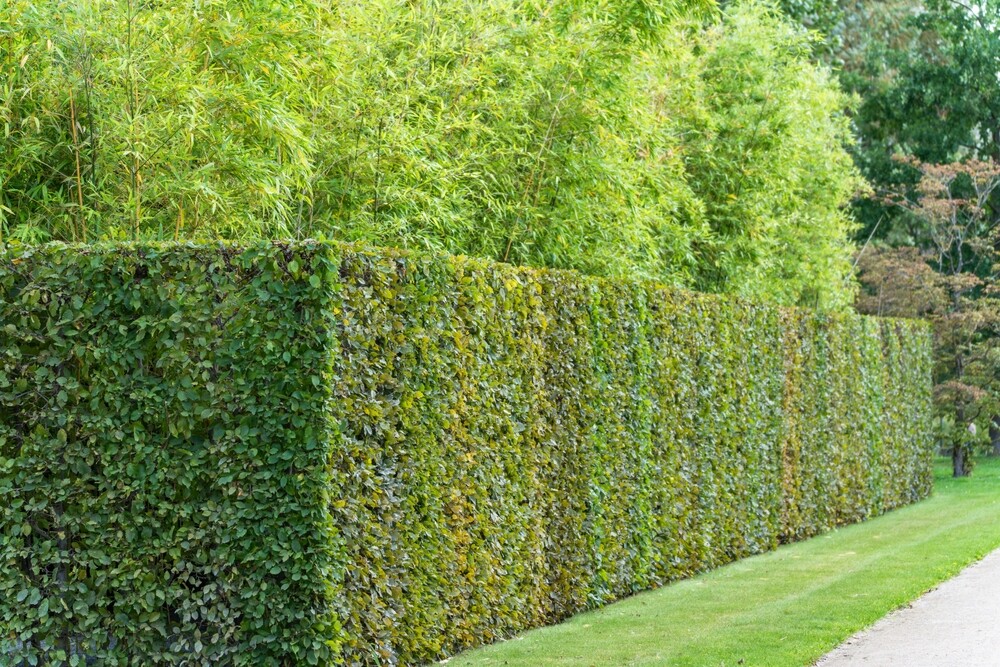
We understand that not everyone has the time for monthly pruning. If you want the beauty of a hedge without the “homework,” selecting a slow-growing or naturally compact species is key. Best “Easy-Care” Species English Yew (Taxus baccata): Despite its reputation, Yew is an incredibly tough, slow-growing plant that usually only requires one trim per year. It is rarely troubled by pests and creates a sophisticated, dark green backdrop. Portuguese Laurel (Prunus lusitanica): Slower-growing than its “Cherry” cousin, this variety features elegant red stems and smaller leaves. It’s a fantastic choice for those who want a formal look with minimal effort. Box Alternative (Euonymus japonicus ‘Green Spire’): With the rise of box blight, ‘Green Spire’ has become a favourite for low borders. It maintains a neat, upright shape with very little intervention.
Choosing & Caring for Hedges: A Green Guide from World of Hedges
When it comes to defining your garden, creating privacy, or adding a touch of natural beauty to your property, nothing beats a properly chosen, well-tended hedge. At World of Hedges, we’ve spent over 40 years helping homeowners and businesses across Lancashire, Cumbria, Manchester, and beyond pick the right plants and keep them thriving. Here’s what you need to know to choose smartly and care confidently. 1. Picking the Right Hedge for Your Space & Purpose Not all hedges are the same — what works beautifully in one garden might struggle in another. Start by considering: Purpose: Is your hedge for privacy? Wind protection? Wildlife habitat? Or simply for decorative structure? Sun & Soil: Does your site get full sun, partial shade or be shaded most of the day? What is the soil like — well-draining, clay, sandy, or rich loam? Some hedges handle damp soil better than others. Evergreen vs Deciduous: If you want something green all year round, an evergreen hedge is best. But deciduous hedges can bring seasonal colour, blossom or fall interest. Growth Rate & Maintenance: Fast-growing hedges can establish quickly, but need more frequent trimming. Slower growers are lower maintenance but take more time to fill out. Here at World of Hedges, our nursery stocks a broad variety — hardy evergreens, native species, flowering hedges, and rarer specimens from around the world. We also provide guidance on what plant types suit each location and purpose. 2. Installation Tips for Strong, Healthy Growth A hedge is only as good as its roots — how you plant it will greatly affect its future health. Spacing: Don’t overcrowd. Correct spacing lets each plant access light, air and nutrients, helping avoid diseases. Soil Preparation: Digging in compost or well-rotted manure can help soil structure, especially in heavy clay or sandy patches. Watering: Newly planted hedges need consistent watering until they establish. Be sure the roots don’t dry out completely. Support & Mulch: Applying mulch around the base (but not touching the stems) helps retain moisture, suppress weeds, and regulate soil temperature. Stakes may be needed for tall or top-heavy plants. At our nursery in Garstang, we grow our hedges without insecticides and use nurturing techniques so they arrive healthy and strong. 3. Maintenance: Keeping Your Hedge Looking Its Best Once established, a hedge needs periodic care to look its best and serve its role effectively: Pruning: Trim regularly, shaping from the bottom up so the base stays dense. Remove dead, diseased or crossing branches to prevent issues. Feeding: A balanced fertiliser in spring helps promote lush growth. Avoid over-fertilisation which can weaken a plant’s structure. Water in Dry Spells: Especially in hot or dry months, even established hedges benefit from occasional deep watering. Pest & Disease Monitoring: Keep an eye out for signs of pest infestation or fungal disease. Early detection makes treatment far easier. 4. Environmental & Aesthetic Benefits Choosing the right hedge offers more than just privacy and boundaries. Well-chosen hedgerows enhance biodiversity — providing a habitat for birds, insects and small mammals. They help with soil stabilization, reduce noise and wind, and improve air quality. And aesthetically, they frame your garden, add shape, colour and even seasonal interest, especially when you select varieties that flower or change colour. 5. Why Choose World of Hedges? What sets us apart: Over 40 years’ experience supplying both domestic and commercial customers. A wide variety of hedges & shrubs from around the world, and a knowledgeable team who’ll guide you from choosing the right hedge to planting & beyond. Free quotes, tailored planting schemes, and a nursery with plants cultivated with care. If you’re considering a hedge for your garden or commercial border, why not drop by at the nursery in Garstang or call us? We’d be delighted to help you pick something perfect — a hedge that reflects your style, suits your lifestyle, and grows beautifully over time.
Embracing Renewal: Celebrating the First Day of Spring

As the winter frost melts away and the earth begins to stir from its slumber, we welcome the arrival of the much-anticipated first day of spring. This day marks the transition from the cold, barren landscapes of winter to the vibrant, blooming beauty of springtime. It’s a time of renewal, rebirth, and awakening, both in nature and within ourselves. The first day of spring, also known as the vernal equinox, holds a special significance across cultures and traditions. It symbolizes a time of balance, as day and night are of equal length, and it heralds the beginning of longer days and warmer temperatures. It’s a time when the world comes alive with the vibrant colors of budding flowers, the melodious songs of returning birds, and the sweet fragrance of blooming trees. For many, the first day of spring is a time of celebration and joy. It’s a day to shed the heavy layers of winter clothing and step outside to bask in the gentle warmth of the sun. It’s a day to feel the soft grass beneath our feet, to breathe in the fresh, crisp air, and to marvel at the beauty of nature’s awakening. One of the most iconic symbols of the first day of spring is the blooming of cherry blossoms. In many cultures, the blossoming cherry trees are seen as a symbol of new beginnings, hope, and the fleeting beauty of life. People from all over the world flock to witness the breathtaking spectacle of cherry blossoms in bloom, often participating in festivals and gatherings to celebrate the arrival of spring. But the first day of spring is not just about external beauty; it’s also about inner renewal and growth. Just as nature emerges from its winter slumber to embrace the warmth and light of spring, so too can we emerge from the darkness of the past to embrace the promise of the future. It’s a time to let go of the old and embrace the new, to release what no longer serves us and make space for growth and transformation. Springtime encourages us to reconnect with the world around us, to nurture our relationships, and to cultivate a sense of gratitude for the beauty and abundance that surrounds us. It’s a time to plant seeds—both literally and metaphorically—and to nurture them with care and intention, knowing that they will eventually blossom into something beautiful and bountiful. As we celebrate the first day of spring, let us embrace the spirit of renewal and transformation that it represents. Let us open our hearts to the beauty and wonder of the world around us, and let us step boldly into the promise of a new season filled with hope, joy, and endless possibilities. Happy spring!
Problem Weeds in UK Hedgerows
Hedgerows play a vital role in the UK’s ecosystem. They provide habitats for a range of wildlife, serve as windbreaks and shade in agricultural areas, and help reduce soil erosion. However, these important natural resources are under threat from invasive weeds. The UK is home to a variety of weed species that, if left unchecked, can reduce the ecological and economic value of hedgerows. In this blog post, we will discuss some of the most problematic weeds found in UK hedgerows, as well as the methods used to control them. Japanese Knotweed Japanese knotweed (Fallopia japonica) is a highly invasive weed that can grow to over 3 metres tall. It was first introduced to the UK in the 1800s as an ornamental plant, but soon escaped from gardens and began to spread rapidly. Japanese knotweed can take over large areas of hedgerow, and its hardy root system can damage infrastructure such as roads and buildings. Eradication of Japanese knotweed is difficult and requires professional treatment. Himalayan Balsam Himalayan balsam (Impatiens glandulifera) is another invasive weed found in UK hedgerows. It was first introduced in the UK in the mid-19th century as an ornamental plant but has since escaped and become widely established in hedgerows and along riverbanks. Himalayan balsam can grow very quickly, up to 2 metres in height, and its seeds are easily spread by wildlife and humans. Efforts to control Himalayan balsam often involve pulling up the plant by hand, as well as using herbicides. Giant Hogweed Giant hogweed (Heracleum mantegazzianum) is a dangerous weed found in hedgerows across the UK. It contains toxic sap that can cause severe burns and blisters, which can even lead to hospitalization. Giant hogweed can grow up to 5 metres tall and is often mistaken for cow parsley or hogweed, so caution must be exercised when identifying it. Eradication of giant hogweed usually involves professional treatment. Ragwort Common ragwort (Senecio jacobaea) is a native weed found in hedgerows in the UK. While it is a useful food source for some wildlife, it is also toxic to horses and livestock. Ingesting ragwort can cause liver damage or even death in animals. Ragwort is also a problem for farmers as it can grow quickly and take over fields. Control methods for ragwort often involve pulling up the plant by hand or using herbicides. Conclusion Invasive weeds are a serious problem for UK hedgerows. Not only do they reduce the ecological and economic value of these important natural resources, but they can also pose a danger to human and animal health. Methods for controlling these weeds include pulling up the plant by hand, using herbicides, and professional treatment. It’s essential to act quickly and efficiently to control weed populations, preventing further spread into surrounding areas and protecting the delicate ecosystem of UK hedgerows.
Creating a hedge is a common way to mark the boundary of a garden
It’s an effective way to provide privacy, add structure to your garden and create a boundary with the outside world. One of the best ways to create this boundary is by using evergreen hedge plants. Evergreen hedge plants provide an all-year-round backdrop, which is both practical and visually pleasing. Here are some of the best evergreen hedge plants in the UK: 1. Box Hedge Plants – Box hedge plants are a popular choice for creating a low hedge, as they can be trimmed into a defined, neat shape. They are also tolerant of partial shade and can thrive in most soils. 2. Berberis Hedge Plants – Berberis hedge plants are a striking, evergreen option that provide vibrant shades of red, orange and yellow leaves. They can grow up to 2m high and are best planted in full sun or partial shade. 3. Holly Hedge Plants – Holly hedge plants are a traditional favourite, perfect for adding a touch of Christmas cheer to your garden. They are slow-growing and require little maintenance, but do require full sun to partial shade. 4. Japanese Laurel Hedge Plants – Japanese Laurel hedge plants have dense, glossy green leaves that will add a touch of luxury to your garden. They are tolerant of partial shade and require little maintenance. 5. Photinia Hedge Plants – Photinia hedge plants make an impressive statement with their striking red new growth. They require full sun to partial shade and are frost hardy but may need protection in extremely cold weather. 6. Griselinia Hedge Plants – Griselinia hedge plants are a great choice for coastal gardens as they are tolerant of salt exposure. They grow to around 2m high and are best planted in full sun or partial shade. 7. Laurel Hedge Plants – Laurel hedge plants have large, glossy green leaves and are tolerant of most soils. They can grow up to 6m tall, making them a great choice for a high hedge. 8. Yew Hedge Plants – Yew hedge plants are a slow-growing alternative to the traditional conifer hedge. They have dark green foliage and are tolerant of partial shade, but prefer well-drained soil. 9. Leylandii Hedge Plants – Leylandii hedge plants are a fast-growing, evergreen conifer that can grow up to 15m tall. They are popular for creating a tall hedge quickly, but require regular trimming to maintain shape. 10. Privet Hedge Plants – Privet hedge plants are a low-cost option for creating a hedge. They grow quickly and are tolerant of most soils, but require regular trimming to keep them in shape. In conclusion, evergreen hedge plants are a great addition to your garden, providing privacy and structure all year round. With so many options available, it’s important to choose the right plant for your garden and soil type. Whether you’re looking for a low hedge or a high hedge, there’s an evergreen hedge plant out there to suit your needs.
What is topiary
Topiary is a gardening technique that involves trimming and shaping plants into various shapes, such as animals, geometric shapes, or even people. It is an ancient practice that dates back to the Roman empire, where plants were pruned into various shapes to adorn gardens and outdoor spaces. The word ‘topiary’ comes from the Latin word ‘topiarius’, which means ‘gardener’. Topiary gardening involves using shears or garden scissors to cut and shape the plant to create the desired effect. Some popular plants used for topiary gardening include boxwood, yew, holly, and privet. These plants are preferred because they are easy to shape and maintain. One of the most popular forms of topiary is the ‘pom pom’ style, where the plant is trimmed to form a round ball shape. Another popular style is the ‘cone’ shape, where the plant is trimmed into a triangular shape with a pointed top. Topiary can also be done in various other shapes, such as spirals, animals, and even human figures. Topiary requires a lot of patience, skill, and attention to detail. It is a time-consuming process that can take months or even years to achieve the desired result. However, the final product is a unique and beautiful piece of art that adds character and personality to any outdoor space. Topiary gardening has gained popularity over the years and is now being used in various settings, such as public parks, botanical gardens, and private residences. It is also being used as a form of art and sculpting, with topiary sculptures being sold for thousands of dollars. One of the benefits of topiary gardening is that it is a great way to add greenery and beauty to small spaces, such as balconies and courtyards. It also allows gardeners to express their creativity and imagination, creating unique and personalized designs. However, topiary gardening also requires a certain level of skill and knowledge. It is important to choose the right type of plant for the desired effect, as some plants are easier to shape than others. It is also important to regularly prune and maintain the plant to ensure it stays in the desired shape. In conclusion, topiary gardening is a beautiful and timeless art form that requires patience, skill, and creativity. Whether it’s a small balcony or a large public park, topiary adds character and personality to any outdoor space. It’s a great way to express your creativity and imagination and create a unique and personalized garden design. So, whether you’re a seasoned gardener or a beginner, why not try your hand at topiary gardening and add a touch of greenery to your outdoor space!
What effect does waterlogging have on hedges
Waterlogging can have a significant impact on hedges. Hedges are important as they provide a natural habitat for animals and insects, as well as being aesthetically pleasing. Waterlogging occurs when the soil becomes saturated with water, leading to the deterioration of the roots and ultimately the plants. Hedges that are waterlogged can experience a range of negative effects. For instance, the roots of the hedge plants can become rotted because of the excess water. This reduces the plants’ ability to uptake water and nutrients from the soil, which can lead to widespread wilting and the death of the plants. Additionally, waterlogging increases the risk of fungal diseases that can attack the plants and weaken them over time. Fungi thrive in the wet, humid conditions created by waterlogging, undermining hedge health. Another problem that arises from waterlogging in hedges is the reduced ability of the plants to take up oxygen. The water displaces air, filling in the gaps in the soil, which prevents oxygen from penetrating the hedge roots. This leads to the eventual suffocation of the plants, resulting in a lack of growth and general decline in hedge health. Furthermore, waterlogging can also have a detrimental effect on the hedge’s wildlife. Hedge animals and insects require moisture and regularly proceed to water sources. However, over-watering of hedges by humans can also serve as habitat loss for animals as the excess water will drown their dens and hiding places. It can also create stagnant pools of water where mosquitoes and other pests can breed, resulting in additional health concerns. Effective measures need to be taken to prevent or reduce waterlogging in hedges. Regular pruning and cutting of the hedge is necessary to ensure that the plants remain healthy as it eliminates any branches that may have weakened over time due to waterlogging. It is important to ensure that the hedge does not get too close to the wet or low-lying areas of the garden. Repositioning hedges is a more complicated solution, but a professional landscaper can fix the issue. Hedges should also be allowed a proper drainage system to avoid waterlogging. This involves building channels or divets from the hedge row to a low point in the garden where water can flow away from the hedge. This provides an escape route for excess water to pass, avoiding the waterlogged condition. In conclusion, waterlogging can have a detrimental effect on hedges. It is essential to take actions to avoid waterlogging and keep the hedges healthy and thriving. These measures include quality pruning, appropriate positioning, and consistent drainage solutions to prevent water accumulation. Guaranteeing the proper hedge conditions involves providing the best eco-environment for the hedge and delivering benefits to the local wildlife and preserving its visual appeal.
What are the benefits of hedges for wildlife?
Hedges, which are rows of trees or shrubs that are planted closely together, are an important feature in the landscape. Not only do they enhance the appearance of the space they occupy, but they also provide numerous benefits to wildlife. Here are some of the benefits of hedges to wildlife: 1. Shelter: Hedges provide shelter to birds, insects, and small mammals. Birds use hedges for nesting, while insects and small mammals use them as shelter from predators and harsh weather conditions. 2. Food: Hedges are a source of food for wildlife. Some species of birds, such as blackbirds and thrushes, feed on the berries produced by hedges. At the same time, insects that feed on the foliage of the hedges provide food for larger predators such as birds and bats. 3. Travel routes: Hedges provide wildlife with travel routes, allowing animals to move from one location to another without being exposed to predators. For example, hedges can provide corridors for hedgehogs to traverse, which is important for their survival. 4. Biodiversity: Hedges support a diverse range of plant and animal species. The foliage of the hedges provides a habitat for insects such as butterflies and moths, while the ground beneath the hedges provides a habitat for small mammals such as mice and shrews. A wide range of bird species also feed on the insects and berries that hedges provide. 5. Carbon storage: Hedges are an effective means of storing carbon. The trees and shrubs in the hedge absorb carbon dioxide (CO2) from the air during photosynthesis and convert it to oxygen. In addition, the hedge provides a natural barrier that filters air pollution. 6. Soil protection: Hedges help to protect soil from erosion by wind and water. The dense root systems of the trees and shrubs bind the soil together, preventing it from being washed away during heavy rain. Hedges also help to reduce the amount of surface water runoff, which can contribute to flooding. 7. Aesthetic value: Finally, hedges enhance the beauty and overall aesthetic value of the landscape. They provide an attractive backdrop to gardens, parks, and other public spaces, and can enhance the visual appeal of urban areas. In conclusion, hedges are an important feature in the landscape that provide numerous benefits to wildlife. They provide shelter, food, travel routes, and support biodiversity while also providing a means of carbon storage and soil protection. By planting hedges in gardens, parks, and public spaces, individuals can help support local wildlife populations while also enhancing the beauty of the landscape.
How To Plant A Hedge: Adding Privacy, Beauty, And Protection To Your Garden
Planting a hedge can be a great way to add privacy, wind protection, and beauty to your garden. Here are some steps to help you plant a hedge: 1. Choose the right plants. Before you start digging, make sure you choose plants that are suitable for your climate and soil. Some popular hedge plants include boxwood, yew, privet, and holly. 2. Prepare the soil. Before planting, make sure to remove any weeds or debris from the area where you will be planting your hedge. If necessary, amend the soil with compost or other organic matter. 3. Mark out the area. Use stakes and string to mark out the area where you will be planting your hedge. This will help you make sure that the plants are spaced evenly and that the hedge is straight. 4. Dig holes. Using a spade or a post hole digger, dig holes for your plants. The holes should be about twice the width and depth of the root ball of your plants. 5. Plant the hedge. Carefully remove your plants from their pots and place them in the holes. Make sure that the top of the root ball is level with the surface of the soil. 6. Backfill the holes. Use the soil you removed from the holes to backfill around the plants. Make sure to press down on the soil to remove any air pockets. 7. Water the hedge. Water your hedge thoroughly to help the roots establish themselves. Keep the soil consistently moist for the first few weeks after planting. 8. Prune the hedge. Once your hedge is established, it will need regular pruning to encourage bushiness and to maintain its shape. By following these steps, you’ll be able to successfully plant a hedge that will provide you with many years of beauty and privacy. Keep in mind that hedge plants will take time to grow and fill in. Patience is key, and it is important to keep an eye on the hedge to make sure it’s getting enough water and nutrients and to prune the hedge regularly to maintain the shape. Also, it’s important to note that the planting of hedge will depend on the type of hedge you want to plant and the size of the hedge. You may want to consult with a local nursery or a gardening expert for specific instructions for the type of hedge you want to plant. Planting a hedge may seem daunting, but with the right preparation, plants, and care, you can have a beautiful hedge that will be a great addition to your garden.