
A LOOK AT THE HISTORY OF HEDGES
If you wish to know the background of the hedgerows that commonly separate neighbors from each others, there’s quite a lot to know. The history of hedges, in fact, is wide-ranging and steeped in cultural history. Here is a brief run-down of how they came to be and what their main functions are in the modern world we are currently living in. The hedge row originally came to the forefront many thousands of years ago where they were used as boundaries to separate fields of cereal crops from one another. While it is possible they were used to mark primitive property lines, they were more likely used as windbreaks so that young crops would have an easier time to get started. Early Neolithic farmers grew everything from wheat to oats. Original hedges were planted to follow tree lines that were already in place because of the soil. Some soils are richer than others, and the lines were often planted to designate the boundary lines between the different soils. This allowed farmers to determine which crops to plant in the different fields so that they would have a better chance of surviving. A hedge can rest on a number of foundations that already exist. During the medieval period and into the early Modern period, many shrubs were planted near stonewalls that acted as a ready-made straight line. People also used earthen mounds to create a little extra height for their property line. The mounds boosted the shrubbery to heights of a few extra feet. In the modern era, it is common to see large trees make up part of the hedge line. Beech trees, for example, are not unusual in Great Britain and can be seen along the edges of fields and grassy areas. Large oaks and beeches make great homes for wildlife for people who are interested in the natural world. The trees attract a greater number of species to the property, and these animals can then be viewed in person or with binoculars. In today’s world, hedges are often utilized for privacy. They can be grown to great heights and can conceal houses and buildings from the nearby sidewalk. This offers a nice degree of privacy that some homeowners and business owners would be quite keen on. Finally, a hedgerow can be used as part of the decorative scheme of a piece of property. The shrubbery can be trimmed into shapes of animals or other objects that will offer an intriguing appearance to people who happen to be walking by. In fact, in many towns and cities, there are even hedge-shaping competitions that award prizes to the winners. How the hedge developed is fascinating. By following its history, we can learn about how men and women lived from the early agricultural ages all the way up to the present. If you yourself are thinking of adding a hedge to your property, you’ll be able to choose from a number of different options that will help you improve your property and impress visitors whenever they arrive at your door.
THE MERITS OF HAVING LAUREL HEDGES
Hedges add diversity to any present landscape design through the infusion of colors, textures, and shapes that may not be represented in different elements within your plan. Thus, when it comes to choosing a hedge, there must be a specific choice. Laurel hedges are therefore known to cater for this role, and they are also popular for privacy, and in some instances, they act as a windbreak. Hedges ought to be planted in your place once you are done with your project. The ground you plant should not be waterlogged or frozen. Other times, you will need to plant a hedge for their appearance or to separate different parts of the landscape. With a fantastic pruning schedule, you are able to keep hedges under control without an excessive amount of work. A hedge will add real beauty and definition to your landscape. Once you plant, you have to watch over it in order to allow it to establish a good rooting system. A Laurel hedge is an excellent add-on to an outdoor style scheme so, regardless of the simple fact they do not need much maintenance, it is good to take care of them. You may want to prune your laurel hedge repeatedly to get a good shape. Depending on the individual preference, there are a couple of settings to achieve that. Normally, hedges are meant to function as boundaries. A Laurel hedge is a superb add-on to any landscape. It should be trimmed twice per year. Managing your hedges is vital to the success of your lawn. Make sure that the region where you are likely to plant the hedge is well cleared and weed-free. The Laurel hedge looks great in its normal woodland setting. If you are not aware with the kind of hedge to select or the plant names do not mean a lot to you, by having an appropriate guide you will be able to choose which plants are perfect for your garden. The hedge is easy to keep, and that is why it is a popular plant choice. Watering laurel hedges is particularly important when you are planting it in summertime or dry period. So, even when you neglect to trim your hedge for a couple of years, you are able to cut it back, and it will shoot back and deliver you that hedge you desire. In about five years, your hedge is going to be fully grown. When you plant a hedge, occasionally, the amount of success is often as large as the cost of failure. It is also much simpler to trim a hedge that is kept to a sensible height. Thus, the hedge is an ideal add-on to any garden. The hedge also provides a great way for those living near busy roads and those who are seeking to lessen levels of noise. Laurels do not demand fertilization. They are an extremely popular species made up of numerous trees, shrubs and hedging plants. The plant is a great topiary bush, and through pruning, you will achieve any shape you need in your residence.
Learn How To Plant A Hedge Today
Hedges are a great way to improve the look of your home overall, but they also have many other benefits. First, they can provide privacy if they are tall enough. So no peeping Toms look into your windows. They may also aid in keeping thieves at bay, since they may have trouble getting to a window since they are blocked by the foliage. They may even increase the value of your property should you ever decide to sell. Finding out how to plant a hedge is pretty easy and a great way to get some sunshine and fresh air one day. Before you start digging any holes, you have to sit down and figure out exactly why you want hedges. Are they for privacy, security, beautification of the land, or perhaps a combination of these things? You should also ponder on how much maintenance you want to do on the hedges. Be honest with yourself, and work out how much time you legitimately have to commit to them once they are planted and thriving. Some varieties require more time and care than others. Make sure when you go to the store to purchase the plants, that you talk with an employee about ones that are right for your lifestyle. Next, you have to choose where you will plant them. Then, you have to mark the area. Since you have already purchased the plants by now, you know how wide they are and how wide they will get. Using a marker or piece of wood, mark where each hedge will be planted, but do not dig the holes just yet. You only need to mark them and space them appropriately so that when it is time to dig, you know exactly what you are doing. Now it is time to tend to the soil. In and around the marked off areas, you should clear out any weeds or plants that are already there. If you don’t, the hedges will still grow, but they will have to compete against the other plants and weeds for water and nutrients. The last thing to do before you dig holes is to bring the hedges in the pots you bought them in and place them near where you are going to dig. This lets you visualize if you marked the area properly or if you perhaps need to adjust once more before digging. Finally, you can dig the holes. All the prep up to this point had led to the digging. Make sure you dig deep enough for the roots to be able to spread out. Each hedge should have a root ball, so make sure you are digging wide enough for that ball to fit into the hole as well. Once they are planted, you must water them well. Make sure you give them a really good amount of water. A soaking hose works best, but any kind will due. You will have to continuously water them, but not as much as this first soaking. The final step is to add some mulch to each one. While this is not completely necessary, it does help. It keeps water from evaporating in summer so the roots don’t dry out as quickly. It also keeps weeds from forming.
Understanding The Definition Of Hedge In All Its Incarnations
Certain words in the English language have a veritable multitude of meanings. Among these words are a few that remain fairly consistent in the general ideas that they wish to convey. This is definitely the case with hedge, which can be used to define special types of funds, accounts and investments, a specific type of foliage, and a strategy that might be employed in order to mitigate losses or facilitate a win. Keep reading to truly explore the definition of hedge and the different implications that this word can have on circumstances, actions and landscaping. In one of its most common uses, hedge can mean a green and dense cropping of foliage that has been planted to provide either a protective or privacy barrier. The thornier the hedge, the more protective this structure will actually be. Although this is not a strategy often used in the modern world, it was once the primary form of keeping enemies and other unauthorized parties back. When carefully cultivated, these structures could definitely be quite imposing. Not only did they prevent soldiers from advancing, but they also blocked all vision of the activities that were occurring on the other side of the barrier. Even if just one or two people were able to slip into a fortress that had been walled in this fashion, they were likely to be seriously hurt. Some people, however, do use their hedges in a slightly similar fashion. They might plant low or short shrubs to clearly define the boundaries of their properties. Other homeowners plant and cultivate very tall and dense hedges so that people are less likely to wander onto their properties. When using these, however, they are generally carefully to avoid species that are very thorny. This is done to prevent liability issues. Hedging something such as a bet or an account is a strategy that is used to mitigate risk. For instance, a person might hedge his or her bet by placing a simultaneous wager on another party or activity that has far better odds. The overarching goal of hedging anything is to either prevent loss or eliminate the potential for loss entirely. There are also funds that bear this moniker as well. Much like bet hedging, investing in these funds is seen as a form of prevention. In one sense, it gives investors the chance to diversify their portfolios. In another, it can be a great strategy to limit tax liabilities in certain circumstances while ultimately mitigating the amount of risk that is attached to the individual’s portfolio overall. There are certain brokerages and other professionals and entities within the financial industry that use this term in a limiting or qualifying fashion. In this sense, the idea to is to limit risk on the part of the offering party by making specific deals subject to special conditions and terms. In the modern world, this is one of the most common uses of this word. At the end of the day, most versions or uses of this world all boil down to protection. Whether planting a physical structure for protection or taking an action that balances risk and mitigate loss, hedging can be key for keeping parties and assets safe. Thus, no matter when or where you encounter this term, you can trust that people are using it in relation to their intention to keep things safe.
A Timeline of the History of Hedges
Hedges are a staple at the landscape layout that is timeless. People love the flexibility of this foliage given it can be shaped, trimmed and sculpted to match any space. The resulting structures also supply an unbelievable sum of solitude and a substantial amount of shade. They have been used throughout the years in attempts to define property boundaries. Following is what you have every wanted. Given that larger tracts of land have been shrouded with prosperity, it is not uncommon for many estates to have gardeners, even if they have other specialists on staff. Throughout history, hedges are so important in this regard in reality which manor or many large-sized homes were always built with gardeners’ quarters. Among the roles, gardening has been actually Concerning property maintenance. As such, they serve an aesthetic function and a functional one. They also eliminate the need to perform some underground trenching, such as what is typically performed during the construction and installation of a boundary fence. For centuries possessions that had their own grassy knolls were essentially fenced in with shrubbery. This foliage was not systemically planted in England before the 13th century. The second of two enclosure moves prompted these plantings to become a frequent practice, both for the purpose of defining properties and essentially barricading them in. Concerning systemic planting, hedgerows have been a important part of land preservation for at least 800 decades and continue to serve equally informative protective and functional purposes to this day. The hedge was used all throughout the entire world to create a feeling of solitude on both big and small properties equally. What most individuals do not understand is that the thorny character of the bush is now a formidable wall of protection for several centuries. A few of these green partitions are still present today and also have histories that span centuries that are. Given that these barricades are such an significant part English history, scientists are on the lookout for approaches that were effective to date them. Unlike trees, it isn’t feasible to simply hew the rings open and count. The present and most widely used formula for dating older hedgerows is to determine the approximate number of plant species within them. Greater diversity is related to longer histories and then comparisons are made between outdated foliage and foliage which has a recorded or otherwise renowned lifespan. This way of relationship hedgerows loses efficacy as gardeners become more adept in strategically integrating plant species to attain qualities, while apparently accurate in many instances. More than being a barrier that is visible, these offer a surprising quantity of protection when prickly species have been planted. Hedges make a very formidable barrier for trespassers and so, beyond alerting people at which boundary lines begin and end, a hedge could keep out unwanted parties.
Tips On Preparing Hedges For Winter
Keeping your landscape looking beautiful year-round is not always easy as it seems. This is because many of the included futures will need very different types of care throughout the different seasons. This is certainly the case when it comes to your hedges. Preparing these for the incredibly cold temperatures that they will invariably face when winter is at its strongest could be vital for keeping them hearty and even alive. Following are a few simple tips for preparing hedges for winter. To start, you definitely want to spend some time inspecting this foliage before implementing any preventative strategies. You will find that there are some plants that require a greater level of protection than others. Taking a quick tour of your land will give you a better understanding of just how diverse this foliage is and of how different individual needs are likely to be. It is usually the case that these plants tend to be a lot more tolerant of cold weather when they have been properly cared for during the more temperate seasons. If you are entering fall and have not paid your hedges much attention throughout the spring and summer, then they will likely experience more problems. This makes it important to do all that you can to prune, water and care for these features during all seasons. This is also true of pre-winter waters. Giving them generous amounts of water before the ground freezes and before their various elements have been subject to freezing temperatures is generally best. This will eliminate the likelihood of drought stress and prime them for soaring through short-term, stressful seasons. As you tour your property and inspect your trees, take stock of those that will be exposed to the greatest amount of wind. Just like the local wind chill factor can make fall and winter temperatures seem significantly cooler to you, they can also have the same impact on your foliage. Shrubs that are planted next to the building will have protection from this structure. Those plants that do not have benefit of protection from a primary or secondary building structure will probably need to be covered. This is coverage that you can create with burlap or other soft barrier. This barrier will block winter winds and diminish the impact of the wind chill factor. You also have the option of erecting a temporary fence. This can be comprised of either wood or plastic. In fact, some home and hardware stores sell features like these ready-made. Ask a knowledgeable store rep at your local home store whether this company keeps temporary snow fences in stock. Beyond preventing damages from excessively low temperatures, you also want to take steps to mitigate heavy snow loads. This is especially true if your hedges sit beneath a shed or low hanging roof that might deliver many pounds of snow to fall directly onto their branches. Keep in mind that heavy snow loads can be swept to the ground to prevent this from happening. You can also erect short-term coverings to minimize the impact caused by the release of snow and ice from building surfaces. Whenever there is any doubt about the best shrub care for your area, be sure to reach out to a professional landscaping company or tree service. These entities can make a number of helpful recommendations for keeping your hedges safe throughout the coldest points of the year. For a very reasonable cost, they can also implement a number of these strategies for you.
Finding The Best Hedges For Hot Summers
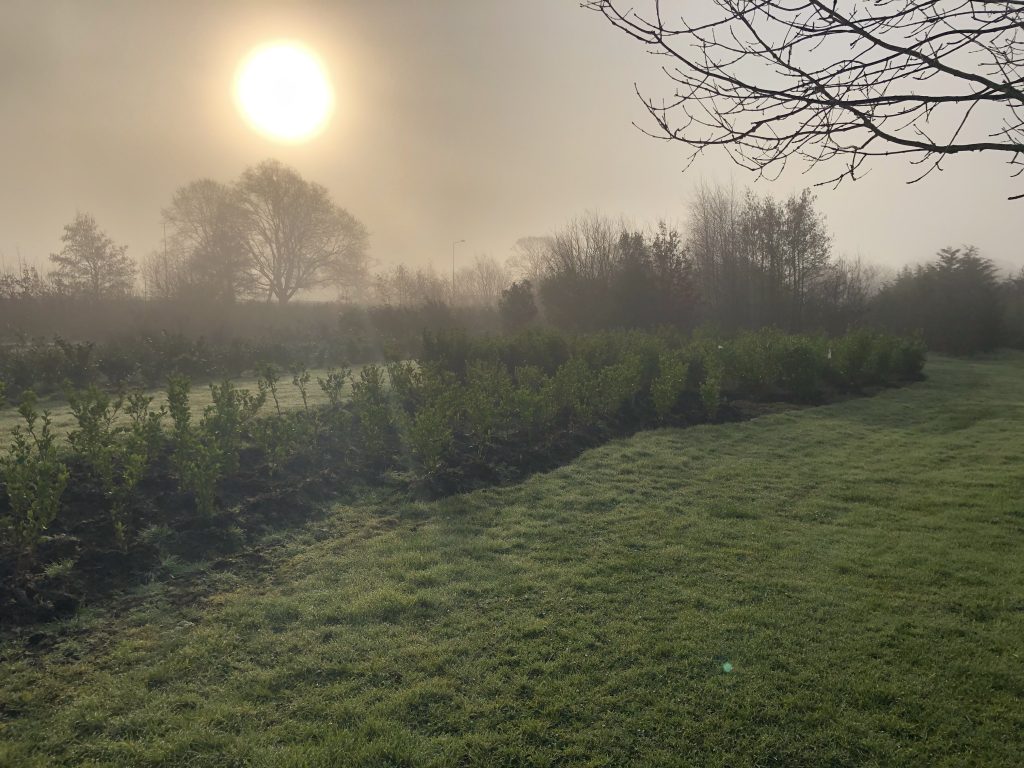
The right landscaping additions can go a long way towards ensuring that homes are kept cool and comfortable throughout the warmer months of the year. Planting shade trees and tall hedges for hot summers can also help to reduce cooling costs. Homeowners who are striving to create and maintain a more affordable and energy efficient household would do well to assess the state of their exterior. The impact that prolonged exposure to direct sunlight may have on a room or interior area can often be far greater than many property owners might realize. Shading a wall or protecting windows from sunlight exposure makes it much easier to maintain a comfortable interior temperature. Trees, bushes and other landscaping projects and additions can be a valuable asset for lowering utility costs. Exterior materials that are subjected to hours and hours of direct sunlight may also experience premature aging and accelerated wear. Shading specific areas of a home’s exterior may go a long way towards ensuring paint, siding and other materials are able to last as long as possible. The potential savings made possible by such efforts can quickly add up. A home’s curb appeal is another matter which owners would do well to consider. An exterior design or landscaping layout that is flat and unoriginal may leave properties looking far from attractive. A few simple upgrades and well chosen additions can transform a space and allow residential property owners to give their home a far more stylish and eye-catching look. Spending time outdoors can be far from comfortable on days where the mercury just continues to rise. Shaded porches, patios, decks and other exterior environments can provide a more comfortable space as well as a more enjoyable atmosphere. The right bush or tree can often be just as effective as a covered enclosure and can often be had for only a fraction of the price. Learning more about different landscaping options is always a smart move. Knowing where to find the best service provider or which shade trees and other options may be best suited to a specific area allows for smarter decisions to be made. Homeowners who have only a limited understanding of their situation, needs and the available resources may find making the right decision to be far more difficult. Landscaping upgrades can entail considerable expense and homeowners who have only limited funds to work with would be wise to keep an eye on their bottom line. Reducing cooling costs can help save money in the long run. Performing a detailed cost analysis on any project or upgrade may be worthwhile. Choosing to work with a landscaping service or contractor who can provide the best results is another matter that should never be left to chance. Working with a second rate service provider could be a costly and potentially disastrous mistake. Households who choose to work with only the best landscapers may be better equipped to complete their project or upgrade without having to worry about spending too much money or dealing with other problems which may crop up along the way.
Discover The Benefits Of Using Hedges As A Wind Break
There are a number of smart, landscaping strategies that can help you curb your home energy costs. For instance, planting lots of tall trees and other large-sized foliage can shade your home in the warm months of summer. As a result, you will have to spend a lot less money on air conditioning, given that the building interior will be quite a few degrees cooler, even before this system is turned on. Using hedges as a wind break is another helpful strategy in this respect. Following are some of the many benefits that this planting and cultivation technique can supply. For one thing, people often love how certain types of hedges add to the amount of privacy that they have on their land. This is especially true if neighboring properties happen to be situated very close by and when there are no privacy fences already installed. Once these shrubs fill in, their lives will block property residents from the line of visibility. It is important to note that tall and sturdy hedges can create an increased sense of privacy without diminishing property aesthetics. In fact, these additions often beautify the lands on which they are planted. This is rarely the case when massive, privacy fences are installed, especially when homeowners do not have the budgets to invest in incredibly ornate structures. With a proper windbreak, you can reduce the wind chill that might lower the temperatures of your home during the winter. Much like foliage can block out the heat of the sun, these structures can prevent icy cold winds from surrounding your property. This can be especially beneficial in old and drafty buildings. Many centuries ago, certain types of hedges were used for security purposes. Given how dense and often thorny these structures were, invading peoples were often turned away by them. Although you don’t have the same concerns of peoples who were sequestering themselves away in remote and vulnerable castles, you will find that these landscaping additions are still an excellent deterrent against vandals and thieves. These ill-intentioned parties are rarely willing to deal with the hassle of making their way past these natural barriers. Surprisingly, shrubbery like this is incredibly hardy. This means that you do not need to have a proverbial green thumb in order to make them flourish. So long as they are routinely watered and pruned, they will always function as a reliable barrier against people, prying eyes, and the wind. You also have the ability to choose from multiple hedge types according to your needs and goals. For instance, if privacy is your primary concern, then you will want these bushes to grow fairly tall. If breaking the wind is important, then you will need to choose a species that is especially dense. You can work with the professionals at a local nursery in order to find the best hedges for your needs. Many different types of foliage can provide an impressive range of functional benefits, from breaking the wind to increasing resident privacy and keeping homes warmer in the wintertime. Best of all, nearly every hedge type is guaranteed to increase the aesthetic beauty of your property exterior.
Find Out How To Cut A Hedge Properly
Hedges have long been an important part of landscaping. At one time, these were strategically planted and grown in order to create dense, property barriers to keep unwanted parties out. Now, however, people can cultivate them to create more privacy on their residential or commercial lands, or to simply add aesthetic beauty to their outdoor designs. If you currently have this type of foliage in your yard, you may want to learn how to cut a hedge properly. Following are a few, helpful tips for getting started. It is first important to have the right tools for these efforts. Although you might have a robust collection of gardening equipment, you should not that most landscaping tools are usually designed for very specific tasks. Quality hedge trimmers or clippers are absolutely vital for getting professional-looking results. Having the right equipment is also essential for preserving the health and integrity of this foliage, especially when engaging in any aggressive cutting practices. Always make sure that you have the right protective equipment as well. For instance, you definitely want to have a durable pair of gardening or landscaping gloves in order to guard your hands from pokes, pricks and other mild to moderate injuries. Property owners are also advised to don protective eye-ware as well in order to avoid having debris get in the eyes. If you will be using gas or electric-powered equipment for these efforts, rather than using manual clippers, earplugs could be a must as well. This will prevent the ears from being damaged by excessive noise pollution. When purchasing hedge cutting or trimming equipment, always ask your supplier for recommendations on protective gear, especially if you have never bought or used these tools before. Before getting started, lay down a quality tarp. This will make it infinitely easier for you to clean up the resulting debris when the work is done. Next, use hand pruners to begin thinning shrubs out by eliminating any growth that you neither want or need. Areas that have a thick, outer covering should be your primary target for these efforts. It is also important to get rid of all suckers. These are relatively small-sized branches that can be found at the very trunk base. Sprouts should be removed as well. These smaller limbs typically grow from more dominant branches and in a vertical direction. Each of these growths are known for leeching nutrients and support from the very portions of hedges that gardeners are interested in maintaining. The removal of dead or dying limbs is also a vital part of these efforts. Not only is this essential for beautifying the foliage, but it also helps to eliminate growth that might sap the life and nutrients out of other, more successful limbs. These will usually be found at the very base of the tree. Your ultimate goal during these efforts is to avoid making the top of the shrub wider than the plant it at its base. This particular cutting strategy will leave the shrub narrower and less dense at the top and fuller and more dense at the bottom. This will in turn create holes that allows sunlight to pour in. Over time, this will create a thick, lush and full look throughout, that gives the entire shrub more level appearance overall.
Steps Towards Perfect Hedge Maintenance Over Winter
Hedges are great because they give you privacy and look really great. They may even increase the value of your property if they surround your home, or give your business a neat appearance that may help draw people in. They do require maintenance though, and you cannot maintain them the same way every season. There are special steps to take for hedge maintenance over winter, but if you follow them closely, you will have thriving plants come spring. Besides making sure they don’t die, you also want to keep your hedge in order because failure to do so could mean you are not in compliance with the law. If a neighbor or passerby sees them overgrown and blocking the view or even blocking people from safely walking on the sidewalk, they can file a complaint with the local council. If they do, you could get hit with a hefty fine, in addition to the cost of pruning back each hedge. So stay compliant with the law and take proper care of your foliage. In winter, that proper care starts with assessing the health of the plants. Look for dead or dying leaves, or discoloration. These could be signs of a bigger problem that needs to be attended to immediately. If you don’t fix the issue, it could spread and infect the rest of your plants, which could be catastrophic. If every plant is healthy, then you must mulch next. Start by removing any leaves, sticks or rocks from underneath each hedge. Not only does this make the plants look better and your yard look cleaner and well kept, but it also preps the soil for the next step. Then spread a nice, thick layer of mulch over the soil around each individual plant. This helps to keep the roots warmer during the cold winter months. You can go with dark brown mulch to match the soil, or if you want to go for something different, pick a colored mulch to make the dreary winter days a little brighter. It also helps ensure the soil does not dry out, since winter can be very dry with little to no humidity. In addition, leaving the mulch year round prevents weeds from taking root, so you have far less tedious gardening work to do. In the late winter, right before spring starts, you will want to prune all your hedges. This means you take a good, sharp pair of clippers and pare them back. This encourages growth once spring starts and helps keep everything nice and healthy. Do this before the plant starts producing buds, or else you may actually stunt its growth instead of encouraging it. If you have a lot of hedges, you may need some help. There are plenty of professional services that are happy to prune all of your bushes for you. Many do it twice a year, so you can pay up front for one session or pay for a full year and possibly get a discount. Either way, schedule service early, as the pre-spring slots fill up quickly, and you do not want the schedule to fill up before you can get in.