
Discover The Benefits Of Using Hedges As A Wind Break
There are a number of smart, landscaping strategies that can help you curb your home energy costs. For instance, planting lots of tall trees and other large-sized foliage can shade your home in the warm months of summer. As a result, you will have to spend a lot less money on air conditioning, given that the building interior will be quite a few degrees cooler, even before this system is turned on. Using hedges as a wind break is another helpful strategy in this respect. Following are some of the many benefits that this planting and cultivation technique can supply. For one thing, people often love how certain types of hedges add to the amount of privacy that they have on their land. This is especially true if neighboring properties happen to be situated very close by and when there are no privacy fences already installed. Once these shrubs fill in, their lives will block property residents from the line of visibility. It is important to note that tall and sturdy hedges can create an increased sense of privacy without diminishing property aesthetics. In fact, these additions often beautify the lands on which they are planted. This is rarely the case when massive, privacy fences are installed, especially when homeowners do not have the budgets to invest in incredibly ornate structures. With a proper windbreak, you can reduce the wind chill that might lower the temperatures of your home during the winter. Much like foliage can block out the heat of the sun, these structures can prevent icy cold winds from surrounding your property. This can be especially beneficial in old and drafty buildings. Many centuries ago, certain types of hedges were used for security purposes. Given how dense and often thorny these structures were, invading peoples were often turned away by them. Although you don’t have the same concerns of peoples who were sequestering themselves away in remote and vulnerable castles, you will find that these landscaping additions are still an excellent deterrent against vandals and thieves. These ill-intentioned parties are rarely willing to deal with the hassle of making their way past these natural barriers. Surprisingly, shrubbery like this is incredibly hardy. This means that you do not need to have a proverbial green thumb in order to make them flourish. So long as they are routinely watered and pruned, they will always function as a reliable barrier against people, prying eyes, and the wind. You also have the ability to choose from multiple hedge types according to your needs and goals. For instance, if privacy is your primary concern, then you will want these bushes to grow fairly tall. If breaking the wind is important, then you will need to choose a species that is especially dense. You can work with the professionals at a local nursery in order to find the best hedges for your needs. Many different types of foliage can provide an impressive range of functional benefits, from breaking the wind to increasing resident privacy and keeping homes warmer in the wintertime. Best of all, nearly every hedge type is guaranteed to increase the aesthetic beauty of your property exterior.
Find Out How To Cut A Hedge Properly
Hedges have long been an important part of landscaping. At one time, these were strategically planted and grown in order to create dense, property barriers to keep unwanted parties out. Now, however, people can cultivate them to create more privacy on their residential or commercial lands, or to simply add aesthetic beauty to their outdoor designs. If you currently have this type of foliage in your yard, you may want to learn how to cut a hedge properly. Following are a few, helpful tips for getting started. It is first important to have the right tools for these efforts. Although you might have a robust collection of gardening equipment, you should not that most landscaping tools are usually designed for very specific tasks. Quality hedge trimmers or clippers are absolutely vital for getting professional-looking results. Having the right equipment is also essential for preserving the health and integrity of this foliage, especially when engaging in any aggressive cutting practices. Always make sure that you have the right protective equipment as well. For instance, you definitely want to have a durable pair of gardening or landscaping gloves in order to guard your hands from pokes, pricks and other mild to moderate injuries. Property owners are also advised to don protective eye-ware as well in order to avoid having debris get in the eyes. If you will be using gas or electric-powered equipment for these efforts, rather than using manual clippers, earplugs could be a must as well. This will prevent the ears from being damaged by excessive noise pollution. When purchasing hedge cutting or trimming equipment, always ask your supplier for recommendations on protective gear, especially if you have never bought or used these tools before. Before getting started, lay down a quality tarp. This will make it infinitely easier for you to clean up the resulting debris when the work is done. Next, use hand pruners to begin thinning shrubs out by eliminating any growth that you neither want or need. Areas that have a thick, outer covering should be your primary target for these efforts. It is also important to get rid of all suckers. These are relatively small-sized branches that can be found at the very trunk base. Sprouts should be removed as well. These smaller limbs typically grow from more dominant branches and in a vertical direction. Each of these growths are known for leeching nutrients and support from the very portions of hedges that gardeners are interested in maintaining. The removal of dead or dying limbs is also a vital part of these efforts. Not only is this essential for beautifying the foliage, but it also helps to eliminate growth that might sap the life and nutrients out of other, more successful limbs. These will usually be found at the very base of the tree. Your ultimate goal during these efforts is to avoid making the top of the shrub wider than the plant it at its base. This particular cutting strategy will leave the shrub narrower and less dense at the top and fuller and more dense at the bottom. This will in turn create holes that allows sunlight to pour in. Over time, this will create a thick, lush and full look throughout, that gives the entire shrub more level appearance overall.
Selecting Native Hedge Plants UK
Native hedge plants are defined as those which have developed naturally in an area, without the need for heroic measures to ensure that they will survive. Some of the native hedge plants UK homeowners choose include Box, Beech, Yew and Hornbeam. These plants do well with the typical soil conditions and climatic conditions which are common throughout the United Kingdom. The reasons for planting native plant hedges are varied. You may like the precise edged look of your landscape when a hedgerow defines the space. Privacy is another reason for installing a line of hedging around the perimeter of a property, or for screening of areas where you don’t want them on public display. Some plantings are known for their encouragement to birds, butterflies or even small animals that can live in close proximity to humans. Flowering hedges tend to be a magnet for butterflies and bees. Some birds are also drawn by flowers, or by the leafy outgrowth. Supporting the wildlife and insect life is environmentally responsible. Shade is another benefit that can be enjoyed, at least on those green options which grow to a substantial height. Maybe it is just a window which needs to be shaded, during part or all of the day. If you pick the appropriate plants, you gain shade without blocking the view completely. The right plants can help to lower the temperature indoors by several degrees. Privacy is very important to some homeowners. The greenery or flowing hedge line can prevent casual passers-by from seeing into areas of the house or garden that would otherwise be on full display. A privacy hedge is also able to temper the sound levels from automobiles passing by. This leaves an outdoor area which is serene and peaceful for reading or relaxing. The opposite effect is found when the homeowner wants to entertain outdoors without disturbing the neighbors. A patio with outdoor living space is a great place for a group of friends or family members to gather in the cool of the evening. When planning a gathering on your patio or pergola, appropriate plant screening makes the outdoor space more secluded and inviting. Some homeowners use the hedges to block access to the property. The plants used in this instance may rely on close proximity to make it difficult for intruders to get through. Other plant features could include thorns or branches which cause scratches or torn garments. These hedgerows don’t completely prevent access, but certainly discourage it. They can effectively block human or animal intruders. The flora may be combined with a wire or wooden fence, which is both effective and aesthetically pleasing. The type of hedge plantings which you choose will depend on the purpose of them. The plantings come in a variety of heights, including low growing, mid-height and tall. Most of the choices are evergreen, and many have flowers as well as greenery. Another factor to consider is how much time you want to spend in care and pruning your hedge. Some of the choices from your nearby garden center or nursery grow more rapidly than others.
Why Deciduous Hedges Can Be Such A Beneficial Addition To Your Landscaping Plan
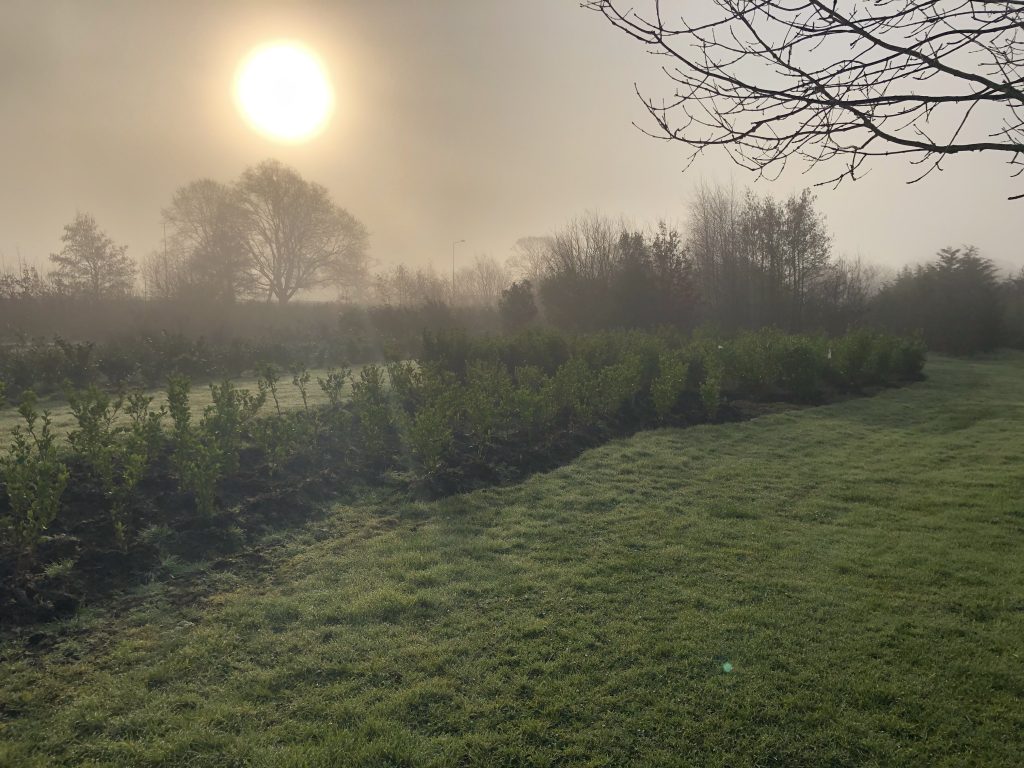
A smart landscaping plan will have a diverse range of elements, especially when it comes to the included foliage. This will not only allow for the absolute best level of outdoor aesthetics, but it will also diversify your maintenance plan and provide something good to look at all year long. When you go about the process of structuring your landscaping plan, you should definitely consider the benefits of incorporating deciduous hedges. Following are several reasons why. While this type of shrubbery will not offer the same level of privacy that evergreen shrubs will, they can still do a very good job of framing your yard. This is ideal if you don’t have fencing in or if your fencing does not block you from your neighbors’ view in a truly efficient fashion. You can use this type of foliage to set up a primary or secondary border around your abode. Although these will maintain their bright green look in the summer, they will often retain their brown leaves throughout the months of fall and winter. This will add another depth of color to your yard. It will also increase the amount of privacy that is provided during the normal down season. You might be interested in breaking the wind that normally whips and whirls around your home. In addition to making a good shield from prying eyes, these bushes will also filter the wind. Whenever wind chill is a significant factor, having these in place can also make it much easier to keep the property interior at a suitable temperature throughout the blustery months of autumn and winter. Surprisingly, this is also a very forgiving type of foliage to plant if you happen to have limited time for yard maintenance. With these types of shrubs, you should water them regularly. If you happen to forget for several days or even weeks, they certainly won’t die off. This is great news for homeowners who don’t want to pay for regular yard maintenance but may not be able to handle all of these efforts on their own. You will additionally find that landscaping additions like these can be secured quite cheaply. This makes them ideal for all those with the goal of keeping their landscaping costs under control. With the right choices and a carefully planned layout, additions like these can also add a considerable amount of value and curbside appeal to your property. Throughout history, certain forms of hedges were considered to be an acceptable safety feature. Beyond providing a greater level of overall privacy, these additions can even deter criminals from approaching your abode. This is all the more true during the months in which this foliage is at its absolute fullest. When it comes to choosing the basic elements for your landscaping designs, additions like these might be your best choice. They will break up heavy winds, add an additional layer of privacy, and keep people from trespassing in your yard. They’ll also play a major role in helping you keep the overall costs of your next major landscaping project under control.
How UK Laws About Leylandii Hedges Impact Property Owners
Regulations governing various landscaping installations can often have a greater impact on outdoor design and lawn options than many property owners might realise. The UK laws about Leylandii hedges may not be something that home and property owners can afford to overlook. Making an effort to learn a little more regarding building codes and landscaping regulations could make quite a difference. The addition of a hedge to an outdoor environment can often go a long way towards ensuring that privacy does not become an issue. Ensuring that an outdoor area or even an indoor space will be kept out of view of neighbors and those who may be just passing by is not an issue that many homeowners may wish to leave to chance. Installing a hedge can often make a great deal of difference. Home heating and cooling costs are another issue that property owners may be concerned with. Using a hedge to provide shade can be very beneficial for those who wish to reduce cooling costs. A hedge can also provide shelter from the wind which may help to offset some of the costs needed to heat an interior environment in colder weather. Spending the time and money needed to make landscaping upgrades and alterations only to discover that new additions may violate building codes or regulations can be a frustrating situation. Taking steps to ensure that any new additions or installations will not be in violation of the law is not a matter that should be taken lightly. Looking into the matter in greater detail is always a good idea. Having to contend with so many different regulations can often leave property owners feeling lost or overwhelmed. Failing to account for a law which may limit the size, scope or dimensions of a hedge installation could lead to no end of future complications and potential issues. Ensuring that such concerns are able to be addressed is always something that should be done at the earliest possible opportunity. Speaking with a landscaping service provider or other industry professional may prove to be very enlightening. Professionals who have plenty of experience in dealing with building codes and various regulations may be quite knowledgeable on the subject. Seeking out the guidance and assistance of a professional may allow home owners to avoid some of the most common or costly missteps with an upcoming project. Online research is another resource that may be of benefit for those who are seeking to learn more about their options. Even a few minutes of basic research may be all that is required in order to learn a great deal. Outlining potential issues or discovering other resources which may be of use can also be done very quickly and easily when performing an online search. A new outdoor installation can help to improve the market value and overall appearance of a home. Ensuring that a new hedge or similar installation will not be in violation of a building code or law can often be an important consideration. Property owners would be wise to make certain that an upcoming landscaping project can be completed without issue.
Popular Fun Facts About Hedges
A garden hedge is undoubtedly, the most popular type of plant found is most homes and surrounding commercial properties. These green to gold and sometimes red leaves of beautifully trimmed hedges add a natural charm and unique character for any style of property. Learning fun facts about hedges can help shed a different light on these typical plants and help produce exceptional results. If you have walked down a beautiful garden path you may not have paid attention to the use of a hedge to produce this structure. Well trimmed and structured bushy plants are most commonly used in garden paths with the purpose of forming a designated area that will draw your eye to a focal point. It is so cleverly achieved and produces an illusion of length that you may not notice it until its is pointed out to you. While hedging may look like an expensive plant, it is the among the cheapest types of vegetation to grow. You may be surprised at the affordability of the more popular types and owing to its impressive growth, one would certainly expect a greater expense. While basic compost and soil preparation are necessary, these shrubs are also cheaper to grow and do not require any specialized products. The use of exceptionally large growing hedge plants can act as a dense screen for privacy. If you have a bare wall that is not great looking, planting a significant growing hedge will soon cover the area within a few years and the correct trim. It provides a plant wall from the neighbors, but also creates an attractive and natural look for any sized garden. A hedge serves a very important function for birds and smaller mammals and is actually protected. The shrubby plant can produce berries providing foraging animals and bird life with a source of food, but also grows densely offering protection from the elements. In many regions, it is protected to maintain the natural systems for many diverse forms of wildlife. The hawthorn hedge possesses unique medicinal uses, but is also a common choice for burning wood. It is commonly mentioned in folklore, but has been shown to play a role in managing particular cardiovascular conditions. It is important to ensure that you learn of the specific shrub before proceeding with any type of medical application. When a hedge is removed, a protection act is in place to ensure that the shrub is replaced according to its natural requirements and standards. Most natural heritage sites prohibit the removal of a hedge and should this occur without the relevant management strategies and legal applications, prosecution could be faced. The replacement of removed hedging is an important process. The many unique features of hedges have contributed to the popularity of this bushy plant. Available in many sizes and consistencies, a hedge can be grown in most types of soil with moderate water requirements making for a hardy and beautiful garden addition. If you decide to add a hedge to your garden, consider the species and which offers the most appealing feature for your home.
Privacy Hedges: What Type Should You Go For?
When you want to plant a hedge, you need to conduct your research to ensure that you select the most ideal plants. They play an important role in the garden as they act as sound proof and also act as a form of security. They come in various varieties and you may be confused on the variety to choose. So if you are considering the privacy hedges: what type should you go for? It is the desire of the most of the people to have hedges that requires no or few maintenance. If you are such a person, you should pick the low maintenance types of plants. When you plant Copper Beech or Red Robin that is constantly green, you will not spend much of your time in trimming. You may be surprised that you may only prune once in summer to achieve that beautiful look. The size of your garden will determine the type of hedge you will plant. If you have a smaller compound, it is wiser to go for a narrow hedge. There are plant species that are useful for these types of narrow hedges such as the Ligustrum vulgare and Osmathus delavayii. You can also use the wooden trellis to make boundaries in your garden. The wildlife hedge is also ideal for the privacy concerns. It adds authentic feel to your garden and compound as a whole. These native plants will produce nuts, berries, fruits that give your compound a natural atmosphere. The flowery plants will attract bees and birds making your compound to be more beautiful. The hedge will consist of several plant species such as the field maple, spindle, blackthorn, alder, crab apple and sweet briar. You can be able to make your compound more private and ensure that it looks more beautiful. There are some plants that are very attractive when planted in the compound. Some of them include spotted laurel, fancy-leaved and variegated privet. They are also more convenient if you want to achieve a more formal and attractive look. If you want to achieve a casual and attractive looks, you should consider the flowering hedge. If you are considering harvesting out of your hedge, then you should go for edible plants. You can decide to plant crab apple, blackberry, damson and pear for their nuts and fruits. These walls are encouraged on the upcountry rather than in the city set up. If you are want to have a private compound with enough security, you should go for the bougainvillea type. They have thorns that will ensure that no one climbs your wall. These plant grows very fast so it needs constant pruning to tame the wild spreading of the twigs. Other thorny types of hedge plants include Holly, roses, sea and buckthorn. There are various factors that influence the type of the plants that you pick. To achieve maximum benefits from the plants, you should study more about the species of the plants and find out if your location is the best for the plants. You can achieve more from the hedge like having a beautiful, secure and elegant compound.
Maintenance Tips For Hedges In The Summer
Keeping your hedge beautiful, neat and healthy requires the correct balance of feed, water and outdoor conditions, but the correct pruning can also make or break plants. Hedges in the summer months need to be properly cut to allow the new growth to take over and form that familiar dense growth, but also to strengthen the vegetation. The following tips can help promote the growth and condition of all hedge types. A hedge is a common garden plant, but require a fair amount of care to achieve its full and healthy green consistency. For a hedge that is newly planted, you must perform routine trims to remove any old branches and leaves and to encourage stronger and deeper root development. This is carried out for a few years until the plant has established and healthy levels of grow have occurred. You can use a handheld shear or similar trimming tool that is sharp and able to cleanly cut through the stems of the plant. Many hedges are cut with a lightweight weed trimmer, but this is not recommended unless the plant is older and is being cut into a shape. Pruning and shaping younger plants with the wrong tools prevents removal of unwanted growth or dead patches and could kill the bush. It is best to conduct a trim in the spring and summer to prepare the plant for the new growth and accelerated development. Using a good pair of gloves and a shears, you must examine the hedge and identify areas of weakness or dead branches that need to be cut off. Trimming is an easy process if you know what to look for and receive the proper management tips from a professional. You can use a hand trimmer to keep the plants short and neat and proves particularly useful for larger hedge types. These tools provide better control and help target specific areas of these plants without making the mistake of chopping too much and compromising the health of hedges. Once established and a few years old, you can clip the hedge into any type of shape or keep it flat and neat along the top. Depending on the type of hedge, learn about its water requirements to maintain it development and health. Many plants can tolerate long periods without water while others will need to remain moist at the roots to facilitate healthy development. If you are unsure about its water needs, visit a local gardening facility to discuss the maintenance of the plant. It is a good idea to remove all the dead flowers after the summer bloom to prevent these sections from sapping energy from the plant. Look out for decaying branches or areas of disease that would compromise the integrity and any future growth. With the right approach, these plants can be kept strong and in the best condition throughout the year. Keeping a hedge neatly trimmed and well cared for during the summer period can help produce dense growth and a healthy bush. A hand shears or electrically operated tool provides greater control over the trimming process. Simple care in the spring and summer months can provide an abundance of future growth.
How Long Does A Hedge Take To Grow
Hedges are among the most common types of plants for any garden providing a wonderful focal point cut to the desired shape or as a privacy hedge in a tall dense mix or shrub form. Choosing the right type of plant is an important factor when determining the rate at which growth will take place including evergreen or deciduous vegetation. Learning how long does a hedge take to grow requires a look at the different species and the provision of the perfect soil and light conditions. A hedge is a type of shrub ranging from the box hedges to beautiful flowered plants attracting birds and other types of fauna in your garden. The secrete to raising fast growing vegetation is knowing when to prune and ensuring that you have provided well prepared soil for all additions. Most plants require a fair amount of natural light including well drained soil to prevent the roots from sitting in water logged ground. Deciduous shrubs including Beech and Hawthorn are easy to take care of and develop quite rapidly. Deciduous means that the plant will show some form of die back with the onset of the fall and winter months so exercise precaution when selecting these types as a privacy screen. Vegetation such as Beech will not lose all of its leaves, but maintain a brown coloration through the colder period. Evergreen bushes will keep its beautiful green or red coloration through the different seasons of the year. These plants often do well in full sun or semi-shaded areas. If your soil includes a great deal of clay, apply the appropriate soil conditioners before planting to encourage healthier growth and protect against loss of the plant or stunted growth. All newly planted hedges will need a year before the roots become established after which you will notice an increase in its formation. An average of 3 inches in height per year can be expected depending on the type of species that you have planted. Always water the hedging properly through the summer months when it becomes hot and dry to prevent the roots from becoming damaged. Determine the appropriate pruning times to encourage new growth and remove the dead branches or dry patchy areas of the bush. This will not only help the plant develop faster, but also provides a more aesthetic result as you get rid of the dead or dying sections. Look out for any animals that may have nested in the shrub area before moving forward with a prune. It is a good idea to cut back hedges during late spring or the middle of summer. This stimulates the plant to produce higher levels of development. A look at the shape and the species can help determine effective times for pruning. A plant of around 24 inches can reach a height of 30 inches within 2 to 3 years. Providing hedges with the right conditions can help accelerate growth, but most plants will take an average of 5 years to achieve its full height and proper form. Taking the necessary steps to achieve a beautiful result can prove most rewarding.
Hedge Maintenance Ideas You Need
If you have a big yard, you must be looking for ways to make it look beautiful. If you have a hedge, then you should consider trimming it to make it look presentable. There are different designs that you can trim these hedges. However, you need to nurture it as it grows to allow it to be easily trimmed. You also need to make sure that it grows widely. Here are some of the hedge maintenance ideas that will assist you improve your yard: If you do not yet have a hedge and are planning to plant trees, you should be specific about the trees you choose. Choose a tree that will grow widely and will have a beautiful green. Before picking out the tree, make sure you establish the color pattern that you want. Also, ensure you pick out the size of yard that you would want. Once you establish these issues, then you can invite a specialist to pick out trees for you, that will allow you to have the type of color scheme and size of yard that you want. You should always trim these hedges as soon as practically possible. Pruning and shaping early ensure that they develop a shape and it prevents unhealthy growth which may be hard to shape. The pruning required is dependent on the size of the hedges. Once you have fully grown hedges, you should make sure you maintain them regularly, to keep them clean and neat. If you already have good hedges, you need to shape them in a creative, practical and beautiful shape. You can have geometrical shapes. Choose the shapes that will look best in your yard. Also make sure that you choose the geometrical shapes that are practical dependent on the size of yard you have. The secret with geometrical shapes is making sure that they are carefully defined. You can also shape them in standard trees shapes. Trees have a specific shape. If your yard does not have the shape you would want, you can choose to trim it into standards trees shapes. This will allow your yard to look beautiful and well maintained. You could decide to shape the plantings into fancy shapes. For instance, you can trim your hedges to look like a bird, a house and the likes. When you use fancy shapes, your yard looks different, fancy and beautiful. Find an exterior designer to assist you pick out fancy designs that will suit your lawn. The shapes you choose should be practical, considering the size of your hedges and the shape that they have grown into. To have a well-trimmed hedge, you need to use the right tool. Make sure that you purchase a tool that will assist you with the job. It should be sharp, clean and well maintained. Collectively, this will ensure that the hedges are well trimmed and maintained. When you own a yard, you should always make sure it is well kept. The article highlights some for the key issues you should have in mind when maintaining these yards.