
Find Out How To Cut A Hedge Properly
Hedges have long been an important part of landscaping. At one time, these were strategically planted and grown in order to create dense, property barriers to keep unwanted parties out. Now, however, people can cultivate them to create more privacy on their residential or commercial lands, or to simply add aesthetic beauty to their outdoor designs. If you currently have this type of foliage in your yard, you may want to learn how to cut a hedge properly. Following are a few, helpful tips for getting started. It is first important to have the right tools for these efforts. Although you might have a robust collection of gardening equipment, you should not that most landscaping tools are usually designed for very specific tasks. Quality hedge trimmers or clippers are absolutely vital for getting professional-looking results. Having the right equipment is also essential for preserving the health and integrity of this foliage, especially when engaging in any aggressive cutting practices. Always make sure that you have the right protective equipment as well. For instance, you definitely want to have a durable pair of gardening or landscaping gloves in order to guard your hands from pokes, pricks and other mild to moderate injuries. Property owners are also advised to don protective eye-ware as well in order to avoid having debris get in the eyes. If you will be using gas or electric-powered equipment for these efforts, rather than using manual clippers, earplugs could be a must as well. This will prevent the ears from being damaged by excessive noise pollution. When purchasing hedge cutting or trimming equipment, always ask your supplier for recommendations on protective gear, especially if you have never bought or used these tools before. Before getting started, lay down a quality tarp. This will make it infinitely easier for you to clean up the resulting debris when the work is done. Next, use hand pruners to begin thinning shrubs out by eliminating any growth that you neither want or need. Areas that have a thick, outer covering should be your primary target for these efforts. It is also important to get rid of all suckers. These are relatively small-sized branches that can be found at the very trunk base. Sprouts should be removed as well. These smaller limbs typically grow from more dominant branches and in a vertical direction. Each of these growths are known for leeching nutrients and support from the very portions of hedges that gardeners are interested in maintaining. The removal of dead or dying limbs is also a vital part of these efforts. Not only is this essential for beautifying the foliage, but it also helps to eliminate growth that might sap the life and nutrients out of other, more successful limbs. These will usually be found at the very base of the tree. Your ultimate goal during these efforts is to avoid making the top of the shrub wider than the plant it at its base. This particular cutting strategy will leave the shrub narrower and less dense at the top and fuller and more dense at the bottom. This will in turn create holes that allows sunlight to pour in. Over time, this will create a thick, lush and full look throughout, that gives the entire shrub more level appearance overall.
Some Suggestions For Fast Growing Hedge Plants That Give Homeowners Elegant Privacy
If you have just purchased a new home, you probably have some major landscaping to do. The developers may have provided the basics, but it you live on a small lot with neighbors on either side, you probably want something more substantial. Fences won’t give you the seclusion you want, and may send the wrong message to your neighbors. Fast growing hedge plants are a good, aesthetically pleasing alternative. You can choose from flowering shrubs, those producing berries, or reliable evergreens. If you love the idea of flowers, you should consider the mock orange. You won’t see actual oranges when you plant these shrubs, but you will enjoy the fragrant citrus smell and the delicate white flowers that characterize the plants. You can expect this shrub to grow six to eight feet tall, depending on the variety you choose. Lilacs are a perennial favorite. These fragrant bushes can grow anywhere from six to twenty feet tall. The Blue Wedgewood is one of the most popular varieties. It will only get to a height of about six feet and will spread an equal width. The Wedgewood is lavender blue, but you can find the lilac bushes with white, purple, burgundy, or lilac blooms. The Forsythia is a shrub that will let you know spring has arrived. The blooms flower before the leaves have a chance to sprout, so you will have a vibrant yellow wall of beauty in the early spring. Unfortunately, once they bloom in spring, you will be left with shrubs that aren’t noteworthy on their own. If you are lucky though, the leaves may turn a beautiful purplish color in the fall. An interesting fast growing shrub is the Purple Beautyberry. These bushes grow so quickly most landscapers recommend pruning them down to about a foot in the spring. The shrubs have light pink or purple flowers in the spring that turn into purple or white berries in the fall. The bushes are easy to grow whether you plant them in full sun or shade. If you want a hedge that is consistent throughout the year, you may want to go with a form of evergreen. The Arborvitae is one example. The Green Giant grows the fastest, but since it can reach heights of sixty feet, may not be suitable for everyone. The Emerald Green doesn’t grow as quickly, but at twelve feet high, when mature, and three feet wide, it makes a nice, manageable hedge. Yews are versatile choices. They have an advantage over some other evergreens in that these shrubs will thrive even in shady, north facing areas of the yard. Yews are happy in full sun as well. These are the shrubs you see with red berries that you have to warn your children about. The berries are poisonous and not to be eaten. It’s great to move into a community with good neighbors. There are times when you want your privacy though. Privacy hedges don’t have to be forbidding. They can simply be a reminder to respect your need for space.
Selecting Native Hedge Plants UK
Native hedge plants are defined as those which have developed naturally in an area, without the need for heroic measures to ensure that they will survive. Some of the native hedge plants UK homeowners choose include Box, Beech, Yew and Hornbeam. These plants do well with the typical soil conditions and climatic conditions which are common throughout the United Kingdom. The reasons for planting native plant hedges are varied. You may like the precise edged look of your landscape when a hedgerow defines the space. Privacy is another reason for installing a line of hedging around the perimeter of a property, or for screening of areas where you don’t want them on public display. Some plantings are known for their encouragement to birds, butterflies or even small animals that can live in close proximity to humans. Flowering hedges tend to be a magnet for butterflies and bees. Some birds are also drawn by flowers, or by the leafy outgrowth. Supporting the wildlife and insect life is environmentally responsible. Shade is another benefit that can be enjoyed, at least on those green options which grow to a substantial height. Maybe it is just a window which needs to be shaded, during part or all of the day. If you pick the appropriate plants, you gain shade without blocking the view completely. The right plants can help to lower the temperature indoors by several degrees. Privacy is very important to some homeowners. The greenery or flowing hedge line can prevent casual passers-by from seeing into areas of the house or garden that would otherwise be on full display. A privacy hedge is also able to temper the sound levels from automobiles passing by. This leaves an outdoor area which is serene and peaceful for reading or relaxing. The opposite effect is found when the homeowner wants to entertain outdoors without disturbing the neighbors. A patio with outdoor living space is a great place for a group of friends or family members to gather in the cool of the evening. When planning a gathering on your patio or pergola, appropriate plant screening makes the outdoor space more secluded and inviting. Some homeowners use the hedges to block access to the property. The plants used in this instance may rely on close proximity to make it difficult for intruders to get through. Other plant features could include thorns or branches which cause scratches or torn garments. These hedgerows don’t completely prevent access, but certainly discourage it. They can effectively block human or animal intruders. The flora may be combined with a wire or wooden fence, which is both effective and aesthetically pleasing. The type of hedge plantings which you choose will depend on the purpose of them. The plantings come in a variety of heights, including low growing, mid-height and tall. Most of the choices are evergreen, and many have flowers as well as greenery. Another factor to consider is how much time you want to spend in care and pruning your hedge. Some of the choices from your nearby garden center or nursery grow more rapidly than others.
A Few Pointers For Choosing Evergreen Hedges
A Few Pointers For Choosing Evergreen <a href=”https://hedge.acceler8showcase.co.uk/hedges/”>Hedges</a> For many homeowners, providing an area of the lawn or garden where privacy is assured is an important part of the landscaping choices. There are several other benefits which are achieved when evergreen hedges are planted around the perimeter of a property or portion of a property. The reasons for planting a hedge can vary from privacy to aesthetics to providing a home for birds or certain types of small animals. Read on to learn more about evergreen hedgerows. The term “evergreen” doesn’t necessarily refer to the color of the hedges, but to the fact that the plants typically retain their leaves during every season of the year. The hedge plants are available in every range of green that you can imagine, from the palest hint of green to the darkest green. Some hedge plants transition to other colors such as red or purple. The foliage may be enhanced by flowers which form a decorative accent to the greenery during certain seasons. The care required to keep a hedge row looking attractive will vary, depending upon the type of plant and the purpose for which it was installed on the property. If there are height restrictions for the plant, judicious trimming periodically will be needed. For the plants to remain healthy, regular pruning of dead, broken or diseased branches is necessary. Some plants grow more quickly than others, so you will want to take the growth patterns into consideration before making a selection. Correct soil conditions and spacing requirements are another feature to think about before choosing your hedging plants. Hedges can be successfully grown in most U. S. Climate zones. However, choosing a variety that requires a lot of water may not be the best option for a desert area. Conversely, a plant that doesn’t like ‘wet feet’ would be inappropriate for a more swampy location. When installing a new hedge, or filling in empty spaces in an existing border, it is important to allow the recommended spacing between plants. An initial planting may seem very sparse, but a fact about plants is that they do grow. To be healthy, the plants should not be crowded. Allow for expansion in all directions, vertically and horizontally when planting. The purpose of the plants will determine what varieties should be picked. A hedge that is needed to provide a shady area will need to be more luxurious in its foliage. If the plants are simply to mark a boundary with a neighbor, and are not intended to block the view, a slow growing plant, or one which is low growing is a possible choice. A sometimes forgotten benefit which a hedge can provide is that of ensuring that birds will be drawn to the foliage. Birds can help to keep insect populations under control and most people enjoy watching the birds using flowering hedges for the nectar. Some of the more popular varieties of hedge plants include the fastest-growing Leylandii Cypress and the English Laurel (best hedging plant for shady sites). If you are looking for a colorful hedge, try the Red Robin. Another plant with just a touch of color is the English Holly. A visit to your local nursery or garden center will help to make the best choice for your lifestyle, climate and soil type.
Tips For Proper Box Hedge Care And Maintenance
Boxwood, Buxus or Buxus Sempervirens, is an evergreen plant that grows mainly in the UK and Australia areas. It requires a specific type of care that if not well done, the plant will not flourish. It can be grown in pots, sunlight or shade and where it is grown will depend on the type of care that it needs. Here are some tips for proper box hedge care. If you plant your box hedge in a planter or pot it will depend mainly on you for its care and treatment. It will need to be watered regularly as its roots depend on moisture and can dry out and affect the growth of the plant and its condition. You should water the plant when the soil is mostly dry so as to not over water the box plant as this can also have adverse effects. It will also need more moisture at the beginning of its growth stages in order to establish the root system. When you plant your box shrub in a planter or pot you will also need to feed it. You can use a specialised fertiliser that will help it to remain healthy and to grow. A good fertiliser will supply the Buxus with the nutrients that it needs. Well rotted manure is the ideal type of fertiliser for the box plant but you can also use other types of commercial fertiliser. Box plants can grow in the shade or in sunlight and its care will depend on where it is located. You should not, however, trim your box hedge plant in the direct sunlight as this will cause scorching of the leaves. Use a topiary hedge trimmer and trim the plant leaves straight and evenly. Since the buxus is a dense plant it is difficult for water or rainfall to get to the root system. This is why it is important to water the plant sufficiently to keep the roots healthy. The plant will flourish with sufficient moisture but remember not too much or it will affect the plant and its growth process. The best time to prune the box plant is in late May or during the first week of June. The new growth that comes out in the later part of spring can be identified by the lighter green leaves on the plant. The new growth also must be slightly leathery in appearance before they are trimmed. You can determine this by feeling the leaves for this leathery texture. The box hedge will need pruning again sometime in late September or October. This will keep it neat and tidy for the coming Winter months. Remember to never trim the hedge in direct sunlight as this can cause the leaves to scorch and turn brown. Always make sure that when you first plant the hedge in the ground that you give it sufficient water so its root system can become established. Once the root system is established in the ground, it won’t require watering as frequently as in the beginning. With these tips, your box hedge plant should flourish and grow and continue to provide many years of natural beauty and ambience for your yard.
Steps Towards Perfect Hedge Maintenance Over Winter
Hedges are great because they give you privacy and look really great. They may even increase the value of your property if they surround your home, or give your business a neat appearance that may help draw people in. They do require maintenance though, and you cannot maintain them the same way every season. There are special steps to take for hedge maintenance over winter, but if you follow them closely, you will have thriving plants come spring. Besides making sure they don’t die, you also want to keep your hedge in order because failure to do so could mean you are not in compliance with the law. If a neighbor or passerby sees them overgrown and blocking the view or even blocking people from safely walking on the sidewalk, they can file a complaint with the local council. If they do, you could get hit with a hefty fine, in addition to the cost of pruning back each hedge. So stay compliant with the law and take proper care of your foliage. In winter, that proper care starts with assessing the health of the plants. Look for dead or dying leaves, or discoloration. These could be signs of a bigger problem that needs to be attended to immediately. If you don’t fix the issue, it could spread and infect the rest of your plants, which could be catastrophic. If every plant is healthy, then you must mulch next. Start by removing any leaves, sticks or rocks from underneath each hedge. Not only does this make the plants look better and your yard look cleaner and well kept, but it also preps the soil for the next step. Then spread a nice, thick layer of mulch over the soil around each individual plant. This helps to keep the roots warmer during the cold winter months. You can go with dark brown mulch to match the soil, or if you want to go for something different, pick a colored mulch to make the dreary winter days a little brighter. It also helps ensure the soil does not dry out, since winter can be very dry with little to no humidity. In addition, leaving the mulch year round prevents weeds from taking root, so you have far less tedious gardening work to do. In the late winter, right before spring starts, you will want to prune all your hedges. This means you take a good, sharp pair of clippers and pare them back. This encourages growth once spring starts and helps keep everything nice and healthy. Do this before the plant starts producing buds, or else you may actually stunt its growth instead of encouraging it. If you have a lot of hedges, you may need some help. There are plenty of professional services that are happy to prune all of your bushes for you. Many do it twice a year, so you can pay up front for one session or pay for a full year and possibly get a discount. Either way, schedule service early, as the pre-spring slots fill up quickly, and you do not want the schedule to fill up before you can get in.
Tips For Maintaining Fast Growing Hedges
Much as their name implies, privet hedges are meant to create a sense of privacy. These are often used to create attractive borders around lawns and properties that keep household residents blocked from view in a way that a traditional fencing structure cannot. Lush and beautiful throughout much of the year, however, fast growing hedges do indeed require a considerable amount of work. Following are some very important things to remember about this foliage whether you’ve got plans on planting it or simply need to know how to better maintain the hedges you already have. It is important to note that this type of foliage is not evergreen when it is planted in any true, four-season climate. Throughout the four seasons of the year, these plants will look their best during the spring and the summer. With diligent watering and more temperate weather, they may even be quite beautiful towards the beginning of fall. After this time has passed, you can expect all of the leaves to fall away. This is always a great time to go ahead and start pruning them back. Among some of the other factors that you want to note is that certain options in these plants are poisonous to both humans and various types of wild animals. This shouldn’t really be a problem unless you’re overtaken by the desire to nibble on their leaves. If you’re attempting to get licensed for daycare, however, this certainly isn’t the type of foliage you want to own. People should also understand that these plants are invasive in many regions. They are not traditionally from here and thus, there are no natural competitors to beat them back. You shouldn’t have much of a problem controlling them in your yard, but if you intend to plant them on a larger and less-maintained property, you will definitely want to keep this characteristic firmly in mind. This is especially true whenever there are any well-founded fears of having these plants encroach on the space of other planted organisms. When it comes to maintenance, make sure that you are never using hand-held pruners or sheers. Although these tools are capable of keeping a hedge tiny, it also expedites the production of buds near the edges of the plant. As these buds multiple, the hedge will become too thick to allow sunlight to penetrate it deeply. This in turn, prevents growth at the interior, which can be exceedingly problematic. Clip every branch at a forty-five degree angle instead. This will leave plenty of space for air and light so that the interior of the hedge can be just as robust as the outside. This might not be the easiest way to create the smooth, even and ultimate uniform look that you’re going for, but it will keep the entire structure healthy from the inside out. You also want to take special concerns with structures that have seriously become overgrown. These will need to be rejuvenated from a more aggressive form of pruning. You can use the three-year rule to establish the right pruning schedule. Approximately one-third of all the very thickest stems should be taken off near the base of the hedge. These efforts will stimulate new growth while allowing for a much more balanced and even appearance. It will also protect the health of the plant by ensuring that no single area has become too robust. This will need to be repeated once each year for no less than three years. When this span of time is up, the shrub will be healthy and significantly smaller in size.
How To Find The Best Topiary Hedges For Your Landscaping Plan
Choosing the best landscaping elements is important for creating outdoor spaces that are stunning and enjoyable to use. Your selection in these elements can also play a major role in determining just how easy these spaces are to maintain. Topiaries are incredibly popular additions given that they can be shaped according to the whims and goals of the individuals. Following is some important information to know as you set about the process of finding the best topiary hedges for your landscaped area. These are plants that can be shaped and pruned to achieve simple and very complex forms. You may want to choose specific topiary types according to the demands of your project. That is because certain plant types will fare better and look better during the most complicated arrangements. Others are far better-suited to simply pyramid or cylindrical shapes than they are to giraffes, elephants or other animals. Among some of the factors to consider are the density of the foliage. Denser and smaller foliage is typically the best option for a complicated design. With these choices, you won’t have to worry about thin or bare patches that disrupt overall project aesthetics. Moreover, the pruning and sculpting will ultimately enhance the health of these selections rather than sending them into a veritable shock. You might want to trim yours over a frame. This is a technique that is used among more skillful landscaping artists who want to produce greater works and a more diverse range of foliage. Plant that are grown and trained over frames must be vining. These options should also have a denser than average foliage that allows for the formation of a dense mat and the minimization of empty spots. Shrubs are among some of the best choices for either of these applications. This is because they tend to have foliage that is very thick and dense, as well as much smaller, heartier leaves. Look for holly, boxwood, and privet. Laurel is another good choice for those who are looking for denser options. These same topiaries are also great for groupings and hedges. For instance, you may be interested in creating a short, natural privacy wall to enhance the level of solitude that you are afforded by simple, chain link fence. You can cut these into obelisks, cones and spirals. If you want a higher wall of privacy and protection, look for topiaries that are capable of growing quite tall and without losing their structural integrity after being cut thin. This way, you can do columns or obelisks without worrying about breakage or other problems. If you are looking for something small to enhance your garden or to give as a gift, look for herbs. These are fragrant and absolutely beautiful. Best of all, it is often possible to use these clippings in a vast range of cooking and medicinal applications. These are great options to have on hand if you like implementing natural remedies or maintain a largely nature or plant-based diet. There are virtually unlimited options to choose from. The key to getting optimal results is finding selections that are in line with your intended purposes, lifestyle and overall goals for your landscaping design. When in doubt, you can always shop the web for additional information from gardening enthusiasts or consult with a knowledgeable professional at your local nursery or home store.
Why Deciduous Hedges Can Be Such A Beneficial Addition To Your Landscaping Plan
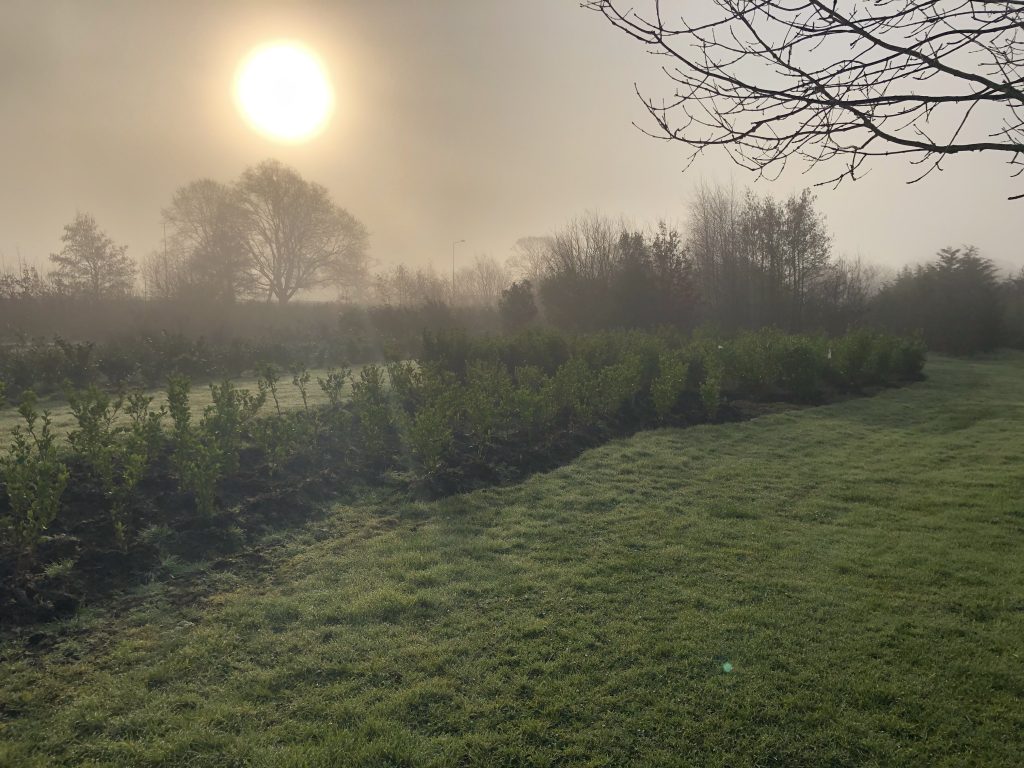
A smart landscaping plan will have a diverse range of elements, especially when it comes to the included foliage. This will not only allow for the absolute best level of outdoor aesthetics, but it will also diversify your maintenance plan and provide something good to look at all year long. When you go about the process of structuring your landscaping plan, you should definitely consider the benefits of incorporating deciduous hedges. Following are several reasons why. While this type of shrubbery will not offer the same level of privacy that evergreen shrubs will, they can still do a very good job of framing your yard. This is ideal if you don’t have fencing in or if your fencing does not block you from your neighbors’ view in a truly efficient fashion. You can use this type of foliage to set up a primary or secondary border around your abode. Although these will maintain their bright green look in the summer, they will often retain their brown leaves throughout the months of fall and winter. This will add another depth of color to your yard. It will also increase the amount of privacy that is provided during the normal down season. You might be interested in breaking the wind that normally whips and whirls around your home. In addition to making a good shield from prying eyes, these bushes will also filter the wind. Whenever wind chill is a significant factor, having these in place can also make it much easier to keep the property interior at a suitable temperature throughout the blustery months of autumn and winter. Surprisingly, this is also a very forgiving type of foliage to plant if you happen to have limited time for yard maintenance. With these types of shrubs, you should water them regularly. If you happen to forget for several days or even weeks, they certainly won’t die off. This is great news for homeowners who don’t want to pay for regular yard maintenance but may not be able to handle all of these efforts on their own. You will additionally find that landscaping additions like these can be secured quite cheaply. This makes them ideal for all those with the goal of keeping their landscaping costs under control. With the right choices and a carefully planned layout, additions like these can also add a considerable amount of value and curbside appeal to your property. Throughout history, certain forms of hedges were considered to be an acceptable safety feature. Beyond providing a greater level of overall privacy, these additions can even deter criminals from approaching your abode. This is all the more true during the months in which this foliage is at its absolute fullest. When it comes to choosing the basic elements for your landscaping designs, additions like these might be your best choice. They will break up heavy winds, add an additional layer of privacy, and keep people from trespassing in your yard. They’ll also play a major role in helping you keep the overall costs of your next major landscaping project under control.
How UK Laws About Leylandii Hedges Impact Property Owners
Regulations governing various landscaping installations can often have a greater impact on outdoor design and lawn options than many property owners might realise. The UK laws about Leylandii hedges may not be something that home and property owners can afford to overlook. Making an effort to learn a little more regarding building codes and landscaping regulations could make quite a difference. The addition of a hedge to an outdoor environment can often go a long way towards ensuring that privacy does not become an issue. Ensuring that an outdoor area or even an indoor space will be kept out of view of neighbors and those who may be just passing by is not an issue that many homeowners may wish to leave to chance. Installing a hedge can often make a great deal of difference. Home heating and cooling costs are another issue that property owners may be concerned with. Using a hedge to provide shade can be very beneficial for those who wish to reduce cooling costs. A hedge can also provide shelter from the wind which may help to offset some of the costs needed to heat an interior environment in colder weather. Spending the time and money needed to make landscaping upgrades and alterations only to discover that new additions may violate building codes or regulations can be a frustrating situation. Taking steps to ensure that any new additions or installations will not be in violation of the law is not a matter that should be taken lightly. Looking into the matter in greater detail is always a good idea. Having to contend with so many different regulations can often leave property owners feeling lost or overwhelmed. Failing to account for a law which may limit the size, scope or dimensions of a hedge installation could lead to no end of future complications and potential issues. Ensuring that such concerns are able to be addressed is always something that should be done at the earliest possible opportunity. Speaking with a landscaping service provider or other industry professional may prove to be very enlightening. Professionals who have plenty of experience in dealing with building codes and various regulations may be quite knowledgeable on the subject. Seeking out the guidance and assistance of a professional may allow home owners to avoid some of the most common or costly missteps with an upcoming project. Online research is another resource that may be of benefit for those who are seeking to learn more about their options. Even a few minutes of basic research may be all that is required in order to learn a great deal. Outlining potential issues or discovering other resources which may be of use can also be done very quickly and easily when performing an online search. A new outdoor installation can help to improve the market value and overall appearance of a home. Ensuring that a new hedge or similar installation will not be in violation of a building code or law can often be an important consideration. Property owners would be wise to make certain that an upcoming landscaping project can be completed without issue.