
Learn How To Plant A Hedge Today
Hedges are a great way to improve the look of your home overall, but they also have many other benefits. First, they can provide privacy if they are tall enough. So no peeping Toms look into your windows. They may also aid in keeping thieves at bay, since they may have trouble getting to a window since they are blocked by the foliage. They may even increase the value of your property should you ever decide to sell. Finding out how to plant a hedge is pretty easy and a great way to get some sunshine and fresh air one day. Before you start digging any holes, you have to sit down and figure out exactly why you want hedges. Are they for privacy, security, beautification of the land, or perhaps a combination of these things? You should also ponder on how much maintenance you want to do on the hedges. Be honest with yourself, and work out how much time you legitimately have to commit to them once they are planted and thriving. Some varieties require more time and care than others. Make sure when you go to the store to purchase the plants, that you talk with an employee about ones that are right for your lifestyle. Next, you have to choose where you will plant them. Then, you have to mark the area. Since you have already purchased the plants by now, you know how wide they are and how wide they will get. Using a marker or piece of wood, mark where each hedge will be planted, but do not dig the holes just yet. You only need to mark them and space them appropriately so that when it is time to dig, you know exactly what you are doing. Now it is time to tend to the soil. In and around the marked off areas, you should clear out any weeds or plants that are already there. If you don’t, the hedges will still grow, but they will have to compete against the other plants and weeds for water and nutrients. The last thing to do before you dig holes is to bring the hedges in the pots you bought them in and place them near where you are going to dig. This lets you visualize if you marked the area properly or if you perhaps need to adjust once more before digging. Finally, you can dig the holes. All the prep up to this point had led to the digging. Make sure you dig deep enough for the roots to be able to spread out. Each hedge should have a root ball, so make sure you are digging wide enough for that ball to fit into the hole as well. Once they are planted, you must water them well. Make sure you give them a really good amount of water. A soaking hose works best, but any kind will due. You will have to continuously water them, but not as much as this first soaking. The final step is to add some mulch to each one. While this is not completely necessary, it does help. It keeps water from evaporating in summer so the roots don’t dry out as quickly. It also keeps weeds from forming.
Understanding The Definition Of Hedge In All Its Incarnations
Certain words in the English language have a veritable multitude of meanings. Among these words are a few that remain fairly consistent in the general ideas that they wish to convey. This is definitely the case with hedge, which can be used to define special types of funds, accounts and investments, a specific type of foliage, and a strategy that might be employed in order to mitigate losses or facilitate a win. Keep reading to truly explore the definition of hedge and the different implications that this word can have on circumstances, actions and landscaping. In one of its most common uses, hedge can mean a green and dense cropping of foliage that has been planted to provide either a protective or privacy barrier. The thornier the hedge, the more protective this structure will actually be. Although this is not a strategy often used in the modern world, it was once the primary form of keeping enemies and other unauthorized parties back. When carefully cultivated, these structures could definitely be quite imposing. Not only did they prevent soldiers from advancing, but they also blocked all vision of the activities that were occurring on the other side of the barrier. Even if just one or two people were able to slip into a fortress that had been walled in this fashion, they were likely to be seriously hurt. Some people, however, do use their hedges in a slightly similar fashion. They might plant low or short shrubs to clearly define the boundaries of their properties. Other homeowners plant and cultivate very tall and dense hedges so that people are less likely to wander onto their properties. When using these, however, they are generally carefully to avoid species that are very thorny. This is done to prevent liability issues. Hedging something such as a bet or an account is a strategy that is used to mitigate risk. For instance, a person might hedge his or her bet by placing a simultaneous wager on another party or activity that has far better odds. The overarching goal of hedging anything is to either prevent loss or eliminate the potential for loss entirely. There are also funds that bear this moniker as well. Much like bet hedging, investing in these funds is seen as a form of prevention. In one sense, it gives investors the chance to diversify their portfolios. In another, it can be a great strategy to limit tax liabilities in certain circumstances while ultimately mitigating the amount of risk that is attached to the individual’s portfolio overall. There are certain brokerages and other professionals and entities within the financial industry that use this term in a limiting or qualifying fashion. In this sense, the idea to is to limit risk on the part of the offering party by making specific deals subject to special conditions and terms. In the modern world, this is one of the most common uses of this word. At the end of the day, most versions or uses of this world all boil down to protection. Whether planting a physical structure for protection or taking an action that balances risk and mitigate loss, hedging can be key for keeping parties and assets safe. Thus, no matter when or where you encounter this term, you can trust that people are using it in relation to their intention to keep things safe.
A Timeline of the History of Hedges
Hedges are a staple at the landscape layout that is timeless. People love the flexibility of this foliage given it can be shaped, trimmed and sculpted to match any space. The resulting structures also supply an unbelievable sum of solitude and a substantial amount of shade. They have been used throughout the years in attempts to define property boundaries. Following is what you have every wanted. Given that larger tracts of land have been shrouded with prosperity, it is not uncommon for many estates to have gardeners, even if they have other specialists on staff. Throughout history, hedges are so important in this regard in reality which manor or many large-sized homes were always built with gardeners’ quarters. Among the roles, gardening has been actually Concerning property maintenance. As such, they serve an aesthetic function and a functional one. They also eliminate the need to perform some underground trenching, such as what is typically performed during the construction and installation of a boundary fence. For centuries possessions that had their own grassy knolls were essentially fenced in with shrubbery. This foliage was not systemically planted in England before the 13th century. The second of two enclosure moves prompted these plantings to become a frequent practice, both for the purpose of defining properties and essentially barricading them in. Concerning systemic planting, hedgerows have been a important part of land preservation for at least 800 decades and continue to serve equally informative protective and functional purposes to this day. The hedge was used all throughout the entire world to create a feeling of solitude on both big and small properties equally. What most individuals do not understand is that the thorny character of the bush is now a formidable wall of protection for several centuries. A few of these green partitions are still present today and also have histories that span centuries that are. Given that these barricades are such an significant part English history, scientists are on the lookout for approaches that were effective to date them. Unlike trees, it isn’t feasible to simply hew the rings open and count. The present and most widely used formula for dating older hedgerows is to determine the approximate number of plant species within them. Greater diversity is related to longer histories and then comparisons are made between outdated foliage and foliage which has a recorded or otherwise renowned lifespan. This way of relationship hedgerows loses efficacy as gardeners become more adept in strategically integrating plant species to attain qualities, while apparently accurate in many instances. More than being a barrier that is visible, these offer a surprising quantity of protection when prickly species have been planted. Hedges make a very formidable barrier for trespassers and so, beyond alerting people at which boundary lines begin and end, a hedge could keep out unwanted parties.
Discover The Benefits Of Using Hedges As A Wind Break
There are a number of smart, landscaping strategies that can help you curb your home energy costs. For instance, planting lots of tall trees and other large-sized foliage can shade your home in the warm months of summer. As a result, you will have to spend a lot less money on air conditioning, given that the building interior will be quite a few degrees cooler, even before this system is turned on. Using hedges as a wind break is another helpful strategy in this respect. Following are some of the many benefits that this planting and cultivation technique can supply. For one thing, people often love how certain types of hedges add to the amount of privacy that they have on their land. This is especially true if neighboring properties happen to be situated very close by and when there are no privacy fences already installed. Once these shrubs fill in, their lives will block property residents from the line of visibility. It is important to note that tall and sturdy hedges can create an increased sense of privacy without diminishing property aesthetics. In fact, these additions often beautify the lands on which they are planted. This is rarely the case when massive, privacy fences are installed, especially when homeowners do not have the budgets to invest in incredibly ornate structures. With a proper windbreak, you can reduce the wind chill that might lower the temperatures of your home during the winter. Much like foliage can block out the heat of the sun, these structures can prevent icy cold winds from surrounding your property. This can be especially beneficial in old and drafty buildings. Many centuries ago, certain types of hedges were used for security purposes. Given how dense and often thorny these structures were, invading peoples were often turned away by them. Although you don’t have the same concerns of peoples who were sequestering themselves away in remote and vulnerable castles, you will find that these landscaping additions are still an excellent deterrent against vandals and thieves. These ill-intentioned parties are rarely willing to deal with the hassle of making their way past these natural barriers. Surprisingly, shrubbery like this is incredibly hardy. This means that you do not need to have a proverbial green thumb in order to make them flourish. So long as they are routinely watered and pruned, they will always function as a reliable barrier against people, prying eyes, and the wind. You also have the ability to choose from multiple hedge types according to your needs and goals. For instance, if privacy is your primary concern, then you will want these bushes to grow fairly tall. If breaking the wind is important, then you will need to choose a species that is especially dense. You can work with the professionals at a local nursery in order to find the best hedges for your needs. Many different types of foliage can provide an impressive range of functional benefits, from breaking the wind to increasing resident privacy and keeping homes warmer in the wintertime. Best of all, nearly every hedge type is guaranteed to increase the aesthetic beauty of your property exterior.
Selecting Native Hedge Plants UK
Native hedge plants are defined as those which have developed naturally in an area, without the need for heroic measures to ensure that they will survive. Some of the native hedge plants UK homeowners choose include Box, Beech, Yew and Hornbeam. These plants do well with the typical soil conditions and climatic conditions which are common throughout the United Kingdom. The reasons for planting native plant hedges are varied. You may like the precise edged look of your landscape when a hedgerow defines the space. Privacy is another reason for installing a line of hedging around the perimeter of a property, or for screening of areas where you don’t want them on public display. Some plantings are known for their encouragement to birds, butterflies or even small animals that can live in close proximity to humans. Flowering hedges tend to be a magnet for butterflies and bees. Some birds are also drawn by flowers, or by the leafy outgrowth. Supporting the wildlife and insect life is environmentally responsible. Shade is another benefit that can be enjoyed, at least on those green options which grow to a substantial height. Maybe it is just a window which needs to be shaded, during part or all of the day. If you pick the appropriate plants, you gain shade without blocking the view completely. The right plants can help to lower the temperature indoors by several degrees. Privacy is very important to some homeowners. The greenery or flowing hedge line can prevent casual passers-by from seeing into areas of the house or garden that would otherwise be on full display. A privacy hedge is also able to temper the sound levels from automobiles passing by. This leaves an outdoor area which is serene and peaceful for reading or relaxing. The opposite effect is found when the homeowner wants to entertain outdoors without disturbing the neighbors. A patio with outdoor living space is a great place for a group of friends or family members to gather in the cool of the evening. When planning a gathering on your patio or pergola, appropriate plant screening makes the outdoor space more secluded and inviting. Some homeowners use the hedges to block access to the property. The plants used in this instance may rely on close proximity to make it difficult for intruders to get through. Other plant features could include thorns or branches which cause scratches or torn garments. These hedgerows don’t completely prevent access, but certainly discourage it. They can effectively block human or animal intruders. The flora may be combined with a wire or wooden fence, which is both effective and aesthetically pleasing. The type of hedge plantings which you choose will depend on the purpose of them. The plantings come in a variety of heights, including low growing, mid-height and tall. Most of the choices are evergreen, and many have flowers as well as greenery. Another factor to consider is how much time you want to spend in care and pruning your hedge. Some of the choices from your nearby garden center or nursery grow more rapidly than others.
Why Deciduous Hedges Can Be Such A Beneficial Addition To Your Landscaping Plan
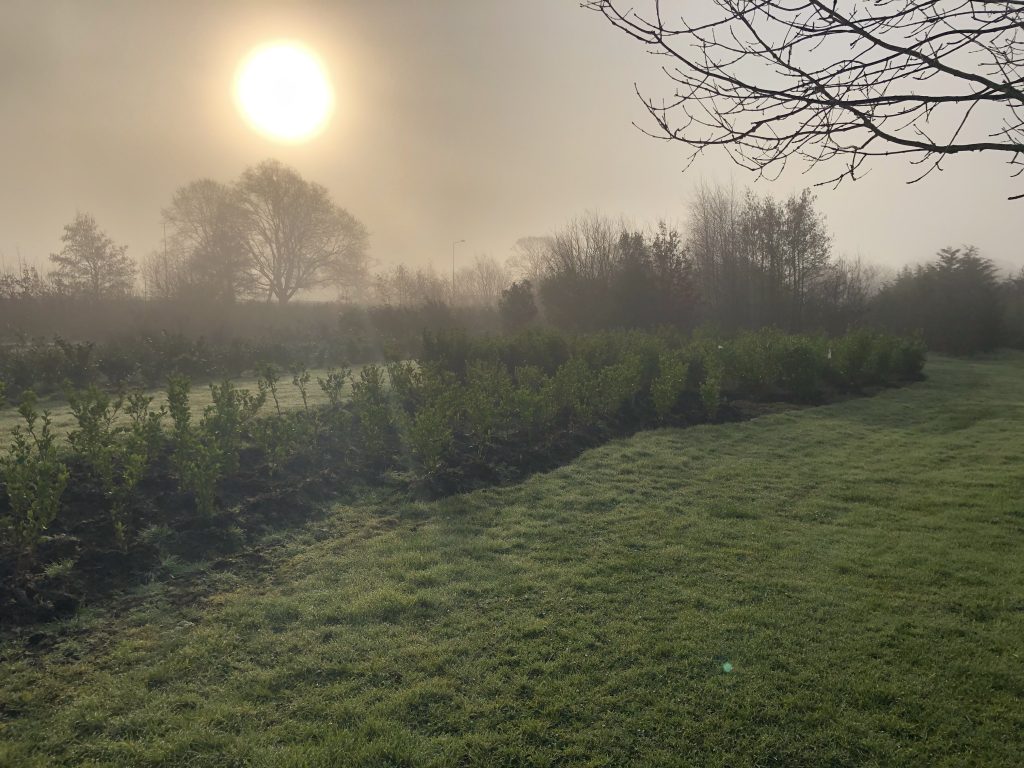
A smart landscaping plan will have a diverse range of elements, especially when it comes to the included foliage. This will not only allow for the absolute best level of outdoor aesthetics, but it will also diversify your maintenance plan and provide something good to look at all year long. When you go about the process of structuring your landscaping plan, you should definitely consider the benefits of incorporating deciduous hedges. Following are several reasons why. While this type of shrubbery will not offer the same level of privacy that evergreen shrubs will, they can still do a very good job of framing your yard. This is ideal if you don’t have fencing in or if your fencing does not block you from your neighbors’ view in a truly efficient fashion. You can use this type of foliage to set up a primary or secondary border around your abode. Although these will maintain their bright green look in the summer, they will often retain their brown leaves throughout the months of fall and winter. This will add another depth of color to your yard. It will also increase the amount of privacy that is provided during the normal down season. You might be interested in breaking the wind that normally whips and whirls around your home. In addition to making a good shield from prying eyes, these bushes will also filter the wind. Whenever wind chill is a significant factor, having these in place can also make it much easier to keep the property interior at a suitable temperature throughout the blustery months of autumn and winter. Surprisingly, this is also a very forgiving type of foliage to plant if you happen to have limited time for yard maintenance. With these types of shrubs, you should water them regularly. If you happen to forget for several days or even weeks, they certainly won’t die off. This is great news for homeowners who don’t want to pay for regular yard maintenance but may not be able to handle all of these efforts on their own. You will additionally find that landscaping additions like these can be secured quite cheaply. This makes them ideal for all those with the goal of keeping their landscaping costs under control. With the right choices and a carefully planned layout, additions like these can also add a considerable amount of value and curbside appeal to your property. Throughout history, certain forms of hedges were considered to be an acceptable safety feature. Beyond providing a greater level of overall privacy, these additions can even deter criminals from approaching your abode. This is all the more true during the months in which this foliage is at its absolute fullest. When it comes to choosing the basic elements for your landscaping designs, additions like these might be your best choice. They will break up heavy winds, add an additional layer of privacy, and keep people from trespassing in your yard. They’ll also play a major role in helping you keep the overall costs of your next major landscaping project under control.
What To Consider Before Planting Laurel Hedges In Lancashire
Hedges serve a variety of purposes in residential and commercial landscaping. These lush green barriers provide a natural and attractive way to define property lines and preserve the property owner’s privacy. A thick hedge is just as effective for keeping out unwanted human and animal intruders as any fence or wall. If you want to beautify your yard and create a private oasis, you can find laurel hedges in Lancashire at a local nursery. The cost of your hedge will depend on whether you want to start from seedlings or pay extra for mature plants that will provide an instant living barrier. Smaller plants establish more quickly than large plants. They require less maintenance, but it will be several years before the hedge reaches the desired height and thickness. The Portugal laurel is an evergreen shrub that offers the advantage of providing privacy and shelter all year round. Evergreens require pruning once or twice per year to maintain their appearance, so they require more maintenance that deciduous shrubs. You may plant this hedge anytime between early autumn and late winter, but the ideal time is as early as possible before the ground has a chance to freeze. This type of laurel has ovate leaves that are dark green. The small white flowers are fragrant and bloom during the summer in racemes that can measure up to 25cm long. In the fall, the pollinated white flowers give way to small, purple fruits. This hedge can grow in partial shade or full sunlight with sufficient watering and drainage. It will grow facing any direction in both sheltered and exposed areas. This hardy plant can survive in clay or loamy, chalky, or sandy soil. The plant can grow in excess of 12 metres high and can have a spread wider than eight metres. Providing the proper aftercare as well as paying attention to root health, soil conditions, and weather, will improve the chances for establishment without problems. The most common causes of poor establishment include improper planting technique and failure to provide adequate amounts of water. Problems are typically most noticeable during late spring and usually show up within the first two years after the shrubs were planted. This shrub can fall prey to the vine weevil. Adult insects destroy the leaves during the warm time of the year while the grubs devour the roots during the autumn and winter. Controlling these pests at the first sign of activity can prevent wilting and death. Pruning should take place during the early spring and late winter for the best results. When pruning, the goal is to remove any crossing, damaged, congested or diseased shoots. After pruning you should add mulch to retain moisture in the soil, suppress weed growth, and protect the roots from extreme temperatures. A well-maintained hedge adds beauty to any landscaping design and can increase overall property value. Lancashire residents can visit a local nursery or an online hedge supplier for helping with choosing plants. They can also receive tips for planting and pruning to help protect their investment.
Reasons To Check Out Hornbeam Hedges For Sale
If you would like a more beautiful landscape, you might be thinking about re-seeding the lawn or buying new plants. It also may be a good idea to invest in some fountains or maybe a new sidewalk or patio. However, many people are seeing a lot of benefits in hornbeam hedges for sale, and here is why. The English hornbeam hedge or carpinus betulus is related to the beach tree and you can tell by looking at their leaves. They are excellent if you want a natural privacy fence on your property. In fact, once you plant them, you could have a six foot (1.8 metre) hedge in as little as five years time. This is relatively fast growing for a hedge. It won’t take long to fall in love with your new hedge. In fact, these plants do very well in clay soil and can tolerate wet conditions also. They provide a great deal of foliage for privacy and also help to shield your yard from the cold winter wind. Many plants lose their leaves in the fall, but hornbeams keep their leaves for most of the winter, making them the perfect natural fence for all seasons. In autumn hornbeams turn a lovely golden colour. In fact, they may look their best in wintertime, when covered with frost. These plants are not too expensive and can be purchased at many nurseries. If you want to save the most money on your hedge plants, buy them in bare root condition. However, you will have to make your purchase during the winter. In summer, they are usually only available in pots and will be a little more expensive because the pots come in larger sizes. Naturally, the larger the plant, the more you will pay. You can plant your hedges in just about any kind of soil. However, if the soil is poor or low on nutrients you may want to add some fertilizer. You can space them at about three plants for each metre. Once planted, trim off the top of each stem. This will cause the plants to spread out and become bushy, giving you a better hedge. If you desire a full hedge faster, consider planting staggered rows. For best results, keep compost around the plants and water frequently for the first year. Mulch will help to keep the moisture around your hedge plants. When you want your hedge to grow tall and appear to be on stilts, consider pleaching. Pleaching is all about training trees and hedges to grow in a specific way or pattern. Trimming out many of the lower branches will give you fewer support trunks, providing that “tall” look. For support, you will need to install special posts and support wires. Perhaps you don’t want to wait several years for a beautiful hedge. All you have to do is buy larger plants from your nursery. You may also buy an ornamental hedge called a Fastigiate Hornbeam. It grows into an egg shaped tree and is perfect for walkways. They make excellent screening trees when planted at about 300 cm apart.
Tips For Growing Privet Hedges Lancashire
A privet hedge is a semi to evergreen shrub that is available in a wide range of plant species including flower varieties. It is a common choice for the home offering privacy and an attractive appearance, but requires regular care to ensure that healthy growth is facilitated and bushes are kept neatly trimmed. With growing tips for privet hedges Lancashire homes can maintain a grand garden feature. There are many types of shrubs that can be grown according to the different climates and regions offering the best condition for optimum plant development. The hedge range can be grown in both warm and cooler areas with flowers developing in the warmer summer seasons. These plants are favored for its thick leafy formation that can be trimmed and designed into a variety of creative hedge shapes and sizes. To ensure that the best possible growth is facilitated, it is important to keep these shrubs regularly trimmed after the flowering season. Careful pruning can be implemented by a garden service to ensure that the healthiest development takes place. A routine prune that is performed correctly can encourage stronger growth and will build vegetative resilience for disease and deterioration. By regularly trimming plants after the summer months, it encourages the formation of dense foliage and bushes that are suitable to provide privacy from prying eyes. The thicker leaves and growth can aid in creating unique shapes and attractive features for a property. It can develop into a considerable height and must remain neatly trimmed and cut back to prevent overgrowth. Do not plant these shrubs in soil that is very dry and lacks sufficient moisture to provide for the dense growth and root development. If you are preparing an area to plant a hedge, ensure that enough compose is laid that will retain water and keep the roots at a suitable temperature. The shrubs can be planted in a sunny or a partial shade position making it a versatile choice for all areas of the garden. The shrubs are an excellent choice for the creation of a striking hedge, but should not be planted alone. The formation of hedges can develop an impressive form and feature for the home offering dense foliage and an attractive feature. These sturdy plants are suitable for areas with pollution exposure and do not have to be continuously maintained to produce optimum growth. It is important to have a professional perform pruning procedures or wear safety gear when handling these shrubs. A privet hedge does possess poison and should only be handled with rubber gloves and can spread very rapidly if not kept under control. It is advised for gardens that are regularly maintained and will be able to keep the size of the bushes under control. A hedge can serve as a wonderful feature for any garden offering dense foliage, greenery, and an attractive result with regular care. Routine pruning is highly recommended as it assists in eliminating weaker areas and shaping the shrub for healthy growth. Professional gardening services can ensure that shrubbery remains neatly trimmed and shaped.
Hedge Supplier in Lancashire
When working on the design and construction of a beautiful lawn or commercial landscape project, there are so many options which will help enhance the appeal of the property. Using plants, trees and shrubs that are native to the area can also have a positive environmental impact on the area around the property, leading to even more beneficial effects for the neighborhood at large. The decision to work with native or non-native plants, what type of plants will be used and how the plants will be arranged on the property are all functions of a team. The property owner, property manager and the landscape architect or landscape gardener will all work together to make sure that the most appropriate products are chosen to produce the look and feel that the owner is looking for. How to Create A Great Hedge Creating a hedge on a property can provide not only a great atmosphere for beautiful birds to live in, but can create a sense of privacy for a homeowner in Lancashire. A properly designed hedge, even when planted with young plants, will grow to fill in for a concealing look, and a healthy arrangement of the plants. This means hedges can’t be planted too close together, but also can’t be planted too far apart. The look of a hedge that is well designed will be smooth and luxurious. For a property which has an existing hedge that may look wild or out of order, it’s likely that the design was not well thought out at the beginning, or that plants which were less than appropriate were selected to create the hedge look. Selecting plants which support the property as a whole, and will be nurtured by the soil and water available, will help the hedge to stay healthy looking and functional for a long time. Working with a Hedge Supplier Not every nursery or arborist will have the experience and knowledge necessary to make a hedge that fits the needs of the homeowner and the property itself. The training required to specialize well in the hedge creation and supply industry comes from a long education and a sense that the hedge is one of the best landscape features it’s possible to leverage for many properties. A hedge supplier who also works as a designer or landscape gardener will want to inspect the property in order to determine the status of any existing hedge, to see the property layout and to understand the soil and microclimate on the property. When a homeowner is working with a landscape architect or a landscape gardener, that professional will contract with the hedge supplier in order to complete the design of the property. The hedge suppliers in Lancashire who are best able to help with commercial and residential property landscaping needs will be able to supply hedges, trees and conifers like maple, birch, sweet chestnut, eucalyptus, laburnum and others. Discounting and preferred installation of the selected hedge plants can be negotiated with the purchase is in bulk, or when there’s an ongoing relationship between the landscape gardener and the hedge supplier.